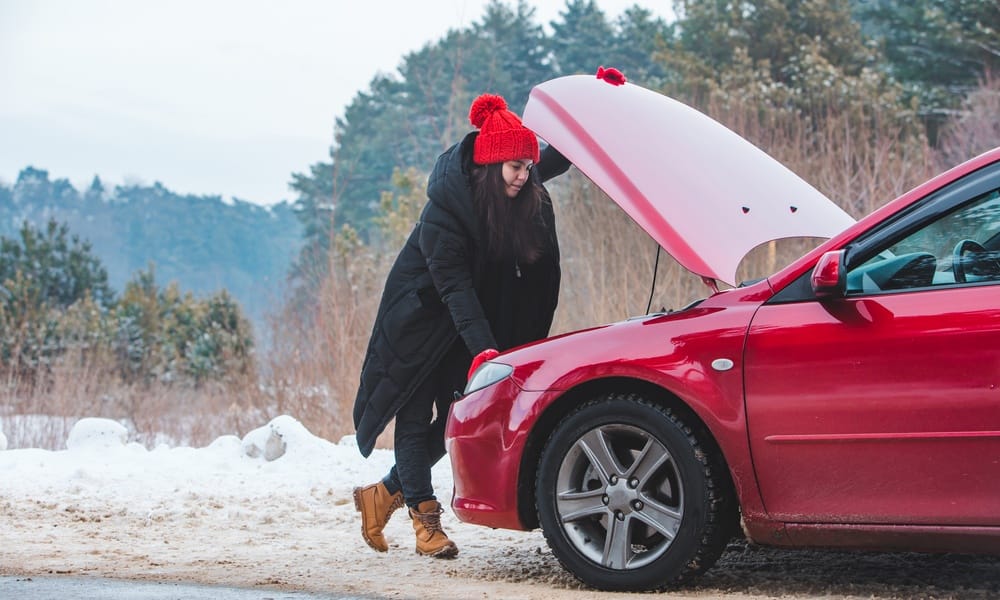
It usually happens when you least expect it. You are cruising down the highway, music playing, when suddenly you hear a loud pop, the engine sputters, or a daunting warning light flashes on your dashboard. Your car is breaking down.
While vehicle malfunctions are inconvenient, they can also be dangerous if not handled correctly. Being stranded on the side of a busy road leaves you vulnerable to moving traffic and the elements. Panic often leads to poor decision-making, so follow these essential roadside safety tips to protect yourself while driving.
1. Move to Safety Immediately
The moment you suspect something is wrong with your vehicle, your primary goal is to get off the active roadway. Do not try to limp the car to the next exit if it puts you at risk of stalling in the middle of a lane.
Signal your intention to pull over and aim for the right shoulder of the road, as this is generally the safest place to stop. Try to find a flat, straight section of the road where other drivers can see you clearly.
If your car dies in the middle of the highway and you cannot move it, do not get out. Turn on your hazard lights, keep your seatbelt fastened, and call for emergency services immediately.
2. Stay Inside Your Vehicle
One of the biggest mistakes drivers make is exiting the vehicle to inspect the damage or attempt a repair on a busy highway. Standing next to a car on the shoulder of a high-speed road is incredibly dangerous.
Unless your vehicle is smoking, on fire, or in a position where it might be struck by oncoming traffic, your safest bet is to remain inside with your seatbelt fastened. Lock the doors and wait for professional help. If you must exit the vehicle, always do so on the side away from traffic (the passenger side) and move as far away from the road as possible, ideally behind a guardrail or up an embankment.
3. Be Prepared with an Emergency Kit
Safety actually begins before you even leave your driveway. Keeping a well-stocked emergency kit in your trunk can turn a nightmare scenario into a manageable inconvenience. When your tires break, you’d rather have a spare and know the best practices for using your emergency spare than sit there unprepared.
At a minimum, your kit should include:
- Jumper cables
- A flashlight with extra batteries
- A first-aid kit
- Bottled water and non-perishable snacks
- A blanket (especially in cold climates)
- A portable phone charger
- Tire changing kit
Having these supplies ensures that if you are stranded for an extended period, you remain comfortable and safe until help arrives.
Prioritize Safety Over Schedule
A breakdown is frustrating. However, no meeting or appointment is worth risking your life for. Using these roadside safety measures, you can avoid injuries when car problems strike. Stay calm, follow these protocols, and wait for the experts to get you back on the road.

- Henry Johnson
- Henry Johnson
- Henry Johnson
- Henry Johnson
- Henry Johnson
- Henry Johnson
- Henry Johnson
- Henry Johnson
- Henry Johnson
- Henry Johnson
- Henry Johnson
- Henry Johnson
- Henry Johnson
- Henry Johnson
- Henry Johnson
- Henry Johnson
- Henry Johnson
- Henry Johnson
- Henry Johnson
- Henry Johnson
- Henry Johnson
- Henry Johnson
- Henry Johnson
- Henry Johnson
- Henry Johnson
- Henry Johnson
- Henry Johnson
- Henry Johnson
- Henry Johnson
- Henry Johnson
- Henry Johnson
- Henry Johnson
- Henry Johnson
- Henry Johnson
- Henry Johnson
- Henry Johnson
- Henry Johnson
- Henry Johnson
- Henry Johnson
- Henry Johnson
- Henry Johnson
- Henry Johnson
- Henry Johnson
- Henry Johnson
- Henry Johnson
- Henry Johnson
- Henry Johnson
- Henry Johnson
- Henry Johnson
- Henry Johnson
- Henry Johnson
- Henry Johnson
- Henry Johnson
- Henry Johnson
- Henry Johnson
- Henry Johnson
- Henry Johnson
- Henry Johnson
- Henry Johnson
- Henry Johnson
- Henry Johnson
- Henry Johnson
- Henry Johnson
- Henry Johnson
- Henry Johnson
- Henry Johnson
- Henry Johnson
- Henry Johnson
- Henry Johnson
- Henry Johnson
- Henry Johnson
- Henry Johnson
- Henry Johnson
- Henry Johnson
- Henry Johnson
- Henry Johnson
- Henry Johnson
- Henry Johnson
- Henry Johnson
- Henry Johnson
- Henry Johnson
- Henry Johnson
- Henry Johnson
- Henry Johnson
- Henry Johnson
- Henry Johnson
- Henry Johnson
- Henry Johnson
- Henry Johnson
- Henry Johnson
- Henry Johnson
- Henry Johnson
- Henry Johnson
- Henry Johnson
- Henry Johnson
- Henry Johnson
- Henry Johnson
- Henry Johnson
- Henry Johnson
- Henry Johnson
- Henry Johnson
- Henry Johnson
- Henry Johnson
- Henry Johnson
- Henry Johnson
- Henry Johnson
- Henry Johnson
- Henry Johnson
- Henry Johnson
- Henry Johnson
- Henry Johnson
- Henry Johnson
- Henry Johnson
- Henry Johnson
- Henry Johnson
- Henry Johnson
- Henry Johnson
- Henry Johnson
- Henry Johnson
- Henry Johnson
- Henry Johnson
- Henry Johnson
- Henry Johnson
- Henry Johnson
- Henry Johnson
- Henry Johnson
- Henry Johnson
- Henry Johnson
- Henry Johnson
- Henry Johnson
- Henry Johnson
- Henry Johnson
- Henry Johnson
- Henry Johnson
- Henry Johnson
- Henry Johnson
- Henry Johnson
- Henry Johnson
- Henry Johnson
- Henry Johnson
- Henry Johnson
- Henry Johnson
- Henry Johnson
- Henry Johnson
- Henry Johnson
- Henry Johnson
- Henry Johnson
- Henry Johnson
- Henry Johnson
- Henry Johnson
- Henry Johnson
- Henry Johnson
- Henry Johnson
- Henry Johnson
- Henry Johnson
- Henry Johnson
- Henry Johnson
- Henry Johnson
- Henry Johnson
- Henry Johnson
- Henry Johnson
- Henry Johnson
- Henry Johnson
- Henry Johnson
- Henry Johnson
- Henry Johnson
- Henry Johnson
- Henry Johnson
- Henry Johnson
- Henry Johnson
- Henry Johnson
- Henry Johnson
- Henry Johnson
- Henry Johnson
- Henry Johnson
- Henry Johnson
- Henry Johnson
- Henry Johnson
- Henry Johnson
- Henry Johnson
- Henry Johnson
- Henry Johnson
- Henry Johnson
- Henry Johnson
- Henry Johnson
- Henry Johnson
- Henry Johnson
- Henry Johnson
- Henry Johnson
- Henry Johnson
- Henry Johnson
- Henry Johnson
- Henry Johnson
- Henry Johnson
- Henry Johnson
- Henry Johnson
- Henry Johnson
- Henry Johnson
- Henry Johnson
- Henry Johnson
- Henry Johnson
- Henry Johnson
- Henry Johnson
- Henry Johnson
- Henry Johnson
- Henry Johnson
- Henry Johnson
- Henry Johnson
- Henry Johnson
- Henry Johnson
- Henry Johnson
- Henry Johnson
- Henry Johnson
- Henry Johnson
- Henry Johnson
- Henry Johnson
- Henry Johnson
- Henry Johnson
- Henry Johnson
- Henry Johnson
- Henry Johnson
- Henry Johnson
- Henry Johnson
- Henry Johnson
- Henry Johnson
- Henry Johnson
- Henry Johnson
- Henry Johnson
- Henry Johnson
- Henry Johnson
- Henry Johnson
- Henry Johnson
- Henry Johnson
- Henry Johnson
- Henry Johnson
- Henry Johnson
- Henry Johnson
- Henry Johnson
- Henry Johnson
- Henry Johnson
- Henry Johnson
- Henry Johnson
- Henry Johnson
- Henry Johnson
- Henry Johnson
- Henry Johnson
- Henry Johnson
- Henry Johnson
- Henry Johnson
- Henry Johnson
- Henry Johnson
- Henry Johnson
- Henry Johnson
- Henry Johnson
- Henry Johnson
- Henry Johnson
- Henry Johnson
- Henry Johnson
- Henry Johnson
- Henry Johnson
- Henry Johnson
- Henry Johnson
- Henry Johnson
- Henry Johnson
- Henry Johnson
- Henry Johnson