
Defining the Gentle Dental Practice Philosophy
 For many, the thought of a dental appointment has often brought feelings of worry or unease. But what if we told you that modern dentistry has transformed this experience? Welcome to the era of the “gentle dental practice,” where patient comfort and well-being are the top priorities.
As Dr. Janne Lynch and our team at AZ Dentist Scottsdale, we have witnessed a significant clinical evolution in dental care by May 2026. This shift focuses on genuine patient-centered care, making every visit a positive experience.
In this extensive guide, we will explore what defines a gentle dental practice. We will discuss how these practices address fear and discomfort. We will also detail the specific techniques and technologies used. Finally, we will uncover the long-term benefits of this compassionate approach for your overall oral health.
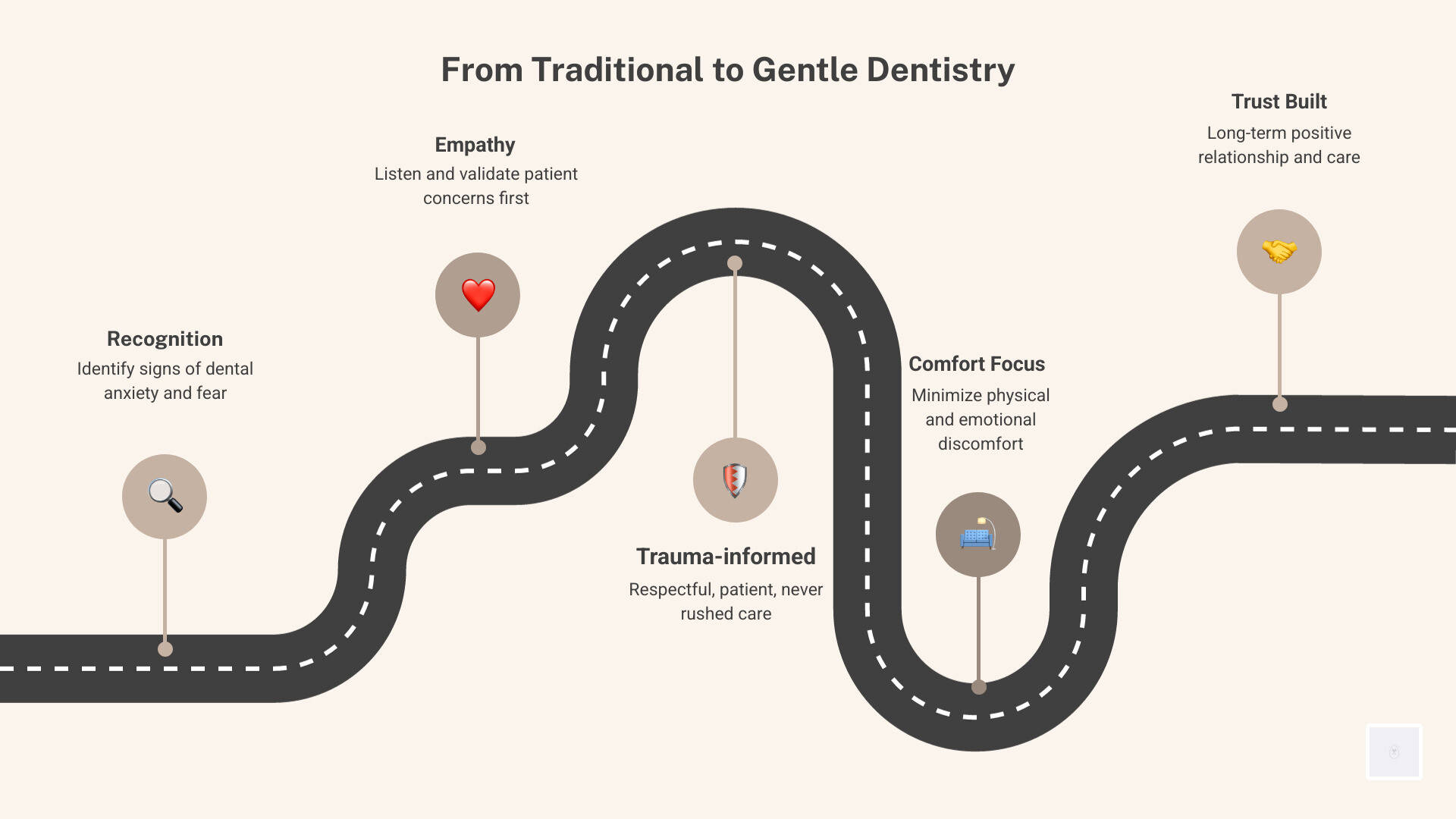
What exactly sets a “gentle” dental practice apart from a traditional one? It’s more than just a marketing buzzword; it represents a fundamental shift in philosophy and approach. At its core, a gentle dental practice prioritizes the patient’s emotional and physical comfort above all else, fostering an environment where fear and anxiety are minimized, and trust is built.
This philosophy begins with empathy. Our team is trained to recognize signs of discomfort and anxiety from the moment you arrive, adjusting our approach accordingly. We understand that past negative experiences can deeply impact a patient’s perception of dental care. Therefore, a trauma-informed care approach is integral, ensuring that every interaction is respectful, patient, and understanding. This means listening first, validating concerns, and never rushing a patient through a procedure.
A truly gentle practice embodies a patient-first approach. This translates into personalized treatment plans tailored not only to your oral health needs but also to your comfort levels, preferences, and overall well-being. For instance, at AZ Dentist Glendale, we believe in treating each individual with the unique care they deserve, building a relationship based on mutual respect. This commitment to patient-centered care is reflected in practices that have been providing trusted dental care for decades, often boasting many years of dedicated service.
A key differentiator is the creation of a non-judgmental environment. Many individuals postpone dental visits due to embarrassment about the condition of their teeth or previous neglect. A gentle practice assures patients that their concerns are heard without judgment, focusing instead on solutions and future health. This fosters an atmosphere where patients feel safe to communicate openly about their fears and needs.
To illustrate the stark contrast, consider the following comparison:
Feature Traditional Dental Environment Gentle Dental Practice Patient Approach Often clinical, procedure-focused, less emphasis on emotional comfort Empathy-driven, patient-first, trauma-informed care Anxiety Management Limited options, “tough it out” mentality Proactive, diverse sedation options, sensory management Communication Technical, directive, minimal explanation Clear, compassionate, “tell-show-do,” open dialogue Environment Sterile, sometimes intimidating Welcoming, calming, comfort amenities, soft voices Treatment Pacing Standardized, efficient Flexible, adapts to patient’s comfort level Technology Use Primarily for efficiency/diagnosis For comfort, precision, and minimally invasive procedures Relationship Provider-patient Partnership, trust-based, long-term wellness focus Defining a gentle dental practice means embracing a holistic view of patient care, where every aspect of the visit, from arrival to departure, is designed to be as stress-free and positive as possible. This commitment ensures that individuals, whether they are adults with past dental trauma or children on their first visit, can access the care they need in a supportive environment. To learn more about this approach, you can explore what makes an AZ Dentist gentle cosmetic dentistry so effective in prioritizing patient comfort and well-being.
Technological Advancements in Cosmetic Dentistry
The landscape of cosmetic dentistry has been dramatically reshaped by technological advancements, moving towards greater precision, reduced invasiveness, and enhanced patient comfort. This evolution is not just about aesthetics; it’s about delivering effective treatments with minimal discomfort, aligning perfectly with the gentle dental practice philosophy. The dental industry itself is a burgeoning sector, projected to reach significant milestones, indicating a continuous investment in innovation.
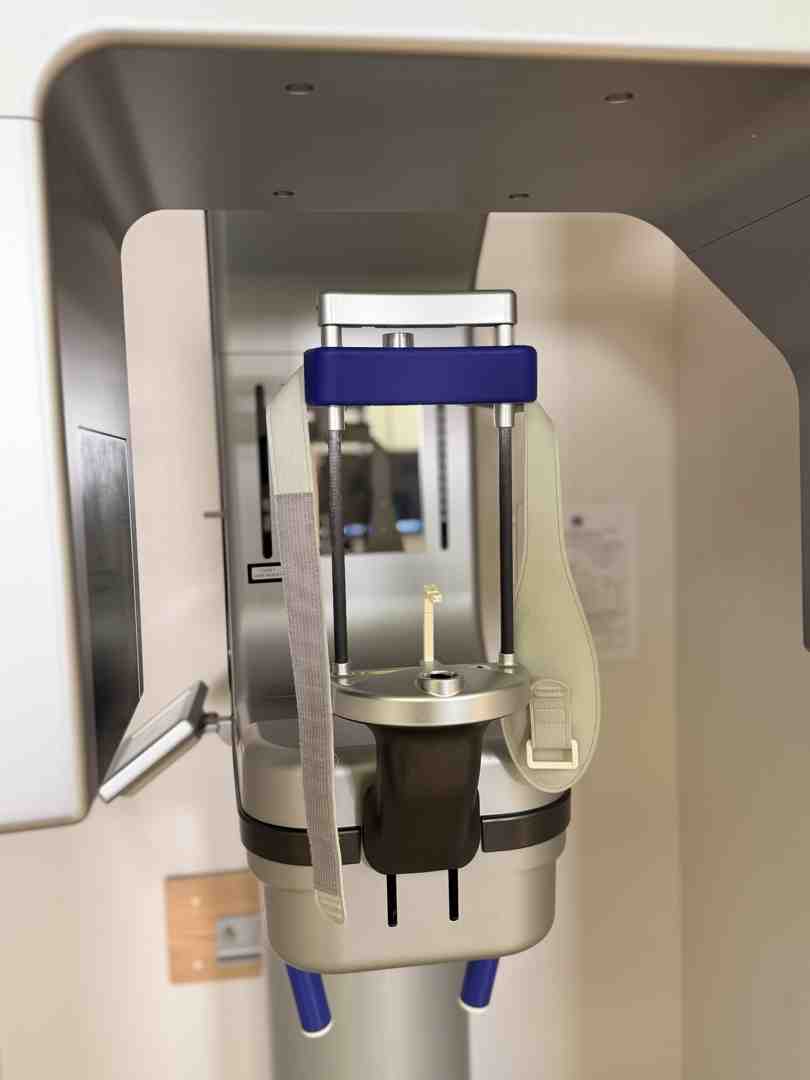
Modern practices, including those like AZ Dentist Sun City, leverage state-of-the-art tools to achieve superior results. This includes sophisticated digital workflows that streamline processes from diagnosis to treatment planning, and 3D printing capabilities for highly accurate models and restorations. The integration of soft tissue lasers has revolutionized many procedures, offering less bleeding, faster healing, and often, no need for sutures. Even seemingly small details, like the use of quiet drills, contribute significantly to a calmer, less intimidating environment. These minimally invasive tools allow for more conservative treatments, preserving healthy tooth structure and reducing post-operative sensitivity.
The Role of Digital Imaging in Cosmetic Dentistry
Digital imaging has become an indispensable cornerstone of modern cosmetic dentistry, transforming both diagnosis and patient education.
Digital X-rays are a prime example, offering significantly reduced radiation exposure compared to traditional film X-rays. This makes them safer for patients while providing immediate, high-resolution images that can be enhanced and shared easily. For us, this means quicker, more accurate diagnoses and the ability to explain findings clearly to our patients.
Intraoral cameras allow us to take high-definition pictures of the inside of your mouth, displaying them instantly on a screen. This visual aid is incredibly powerful for patient education, enabling you to see exactly what the dentist sees. When we can point to a specific area on a large screen, it demystifies the diagnosis and helps you understand the proposed treatment plan, fostering a sense of involvement and control.
3D scanning, particularly with intraoral scanners, has replaced uncomfortable traditional impressions for many procedures. This technology captures precise digital models of your teeth and gums, which are then used for designing crowns, veneers, clear aligners, and other restorations. The accuracy of these scans leads to better-fitting, more comfortable appliances and restorations. Furthermore, the ability to visualize your teeth in three dimensions allows for advanced treatment planning and even visual treatment confirmation, where you can see a simulated “after” picture of your smile before any work begins. This transparency and predictability are key components of a gentle, patient-centered approach.
Minimally Invasive Techniques in Cosmetic Dentistry
The goal of modern cosmetic dentistry is not just to enhance appearance but to do so while preserving as much natural tooth structure as possible. This is where minimally invasive techniques shine.
For aesthetic enhancements, options like porcelain veneers are meticulously crafted to cover the front surface of teeth, correcting issues like discoloration, chips, or gaps. With advanced bonding techniques, these can be placed with minimal alteration to the underlying tooth. Similarly, composite bonding uses tooth-colored resin to repair minor imperfections, often requiring no removal of tooth enamel at all.
Laser teeth whitening provides a faster, more effective, and often less sensitive alternative to traditional methods. The precision of lasers allows for targeted treatment, reducing the risk of gum irritation and achieving brighter results in a single visit.
A significant focus is on enamel preservation. Every effort is made to maintain the natural strength and integrity of your teeth. This philosophy extends to restorative procedures as well. For example, CEREC same-day crowns utilize advanced CAD/CAM technology to design, mill, and place a custom crown in a single appointment. This eliminates the need for temporary crowns and multiple visits, reducing inconvenience and potential discomfort. The precise fit and strong bonding materials ensure the structural integrity of the restored tooth, leading to long-lasting results that feel natural. These techniques collectively contribute to a more gentle and comfortable experience, minimizing chair time and maximizing patient satisfaction.
Overcoming Dental Anxiety with Patient-Centered Care
Dental anxiety and fear are significant barriers to oral health for many individuals, often stemming from past negative experiences or a general apprehension of dental procedures. A gentle dental practice is specifically designed to address these concerns head-on, transforming what was once a dreaded appointment into a manageable, even comfortable, experience.
Our approach to managing dental phobia is multi-faceted, focusing on both psychological comfort and physical ease. One of the most common and effective tools is nitrous oxide, often referred to as “laughing gas.” This mild sedative helps patients relax and feel more at ease during treatment, with its effects wearing off quickly after the procedure. For those with moderate anxiety, conscious sedation (oral sedatives) can be prescribed, allowing patients to remain awake but deeply relaxed. In cases of severe anxiety or for longer, more complex procedures, IV sedation may be recommended, providing a deeper state of relaxation where patients often remember little of the appointment. Practices like AZ Dentist Sedona are equipped with various sedation options, ensuring that every patient can find a level of comfort that suits their needs.
Beyond pharmacological aids, communication plays a crucial role. The “tell-show-do” method is particularly effective, especially in pediatric dentistry. We first explain what we are going to do, then show the instruments and demonstrate how they work (often on a finger or a model), and only then do we proceed with the treatment. This approach builds trust and reduces fear of the unknown.
Sensory management is another key aspect. Dental offices can be overwhelming due to bright lights, unfamiliar sounds, and clinical smells. Gentle practices mitigate this by offering amenities such as noise-canceling headphones to block out drilling sounds, soothing music, aromatherapy, and even visual distractions like ceiling-mounted TVs. The physical environment is also enhanced with comforts like weighted blankets and neck pillows to promote relaxation and reduce muscle tension during long appointments.
For children and nervous adults alike, the entire experience is paced according to their comfort level. We encourage patients to signal if they need a break, and our team is always ready to pause and reassure. This focus on patient control and comfort is paramount, ensuring that even those with deep-seated anxieties can receive the dental care they need without undue stress.
The Long-Term Benefits of a Compassionate Approach
Choosing a gentle dental practice offers far more than just a comfortable visit; it lays the foundation for a lifetime of optimal oral health and overall well-being. The benefits extend beyond immediate relief, impacting your health, finances, and even your perception of dental care.
One of the most significant advantages is the establishment of consistent preventive care. When dental visits are stress-free and positive, patients are far more likely to adhere to regular check-ups and cleanings. This consistency is crucial for maintaining excellent oral health, as it allows for early detection of potential issues before they become severe. Early intervention means simpler, less invasive, and often less costly treatments. For instance, many practices offer comprehensive new patient examinations, encouraging individuals to prioritize their oral health from the outset. Additionally, some practices extend special programs, such as for veterans, recognizing their service and helping make care more accessible.
This proactive approach significantly reduces the likelihood of dental emergencies, which are often painful, expensive, and require immediate attention. By addressing small problems early, patients experience fewer fillings, root canals, and extractions over time, leading to greater restorative success and longevity of their natural teeth.
A compassionate approach fosters strong patient-provider trust. When you feel heard, respected, and cared for, you are more likely to communicate openly about your concerns and follow through with recommended treatments. This partnership is vital for achieving and maintaining lifelong oral health. It transforms the dental office from a place of fear into a trusted partner in your health journey.
Furthermore, the connection between oral health and general health is undeniable – the oral-systemic health link. Chronic oral infections can impact systemic conditions like heart disease, diabetes, and even pregnancy outcomes. By ensuring consistent, gentle dental care, we contribute not only to your healthy smile but also to your overall physical health. Patients who regularly attend gentle dental practices often report a reduced need for extensive treatments, improved chewing function, better breath, and a more confident smile, all contributing to an enhanced quality of life. The psychological benefit of overcoming dental anxiety and feeling empowered in your healthcare decisions cannot be overstated.
Frequently Asked Questions about Cosmetic Dentistry
As cosmetic dentistry continues to evolve, patients often have questions about how these advancements contribute to a more comfortable and effective experience. Here, we address some common inquiries.
What makes a cosmetic procedure “gentle”?
A cosmetic procedure is deemed “gentle” when it prioritizes patient comfort, minimizes discomfort, and reduces anxiety throughout the entire process. This involves several key elements:
- Minimally Invasive Techniques: Utilizing methods that preserve as much natural tooth structure as possible, such as direct bonding, ultra-thin veneers, or laser gum contouring, which often result in less drilling and less post-operative sensitivity.
- Advanced Technology: Incorporating tools like digital scanners (eliminating messy impressions), quiet electric handpieces, and soft tissue lasers for precise, less traumatic work.
- Pain Management: Employing effective local anesthesia, often administered with techniques to reduce injection discomfort, and offering various sedation options tailored to the patient’s anxiety level.
- Patient-Centered Communication: Clear, empathetic explanations of each step, allowing the patient to feel informed and in control, with opportunities to pause or ask questions.
- Comfort Amenities: Providing a relaxing environment with amenities like comfortable chairs, blankets, headphones, and eye protection to enhance the overall experience.
A gentle cosmetic procedure focuses on the patient’s well-being as much as it does on achieving beautiful aesthetic results.
How does technology reduce discomfort during smile transformations?
Technology plays a pivotal role in transforming traditionally uncomfortable cosmetic procedures into gentle, efficient, and precise experiences.
- Digital Impressions: Traditional impressions can be gag-inducing and messy. Digital intraoral scanners create highly accurate 3D models of your teeth in minutes, without any physical material in your mouth, significantly improving comfort.
- Precision Planning: Advanced software allows for meticulous planning of smile transformations, from veneer placement to orthodontic adjustments. This precision means less guesswork, fewer adjustments during the procedure, and a more predictable, comfortable outcome. For instance, 3D printing can create guides for precise implant placement or mock-ups for veneers, ensuring a perfect fit and aesthetic.
- Less Invasive Tools: Soft tissue lasers can reshape gums with minimal bleeding and faster healing compared to traditional scalpels. Quiet electric handpieces reduce the jarring noise and vibration associated with older air-driven drills, making procedures less intimidating.
- Enhanced Visualization: Intraoral cameras and high-resolution digital X-rays allow both the dentist and the patient to clearly see the treatment area. This transparency helps patients understand the need for treatment and feel more involved, reducing anxiety.
- Faster Procedures: Technologies like CEREC for same-day crowns eliminate the need for temporary restorations and multiple visits, condensing treatment time and minimizing inconvenience.
By integrating these technological advancements, we can deliver stunning smile transformations with unprecedented levels of comfort and ease.
Are sedation options available for elective cosmetic treatments?
Yes, absolutely. Sedation options are readily available and frequently utilized for elective cosmetic treatments, especially for patients who experience anxiety or for procedures that might be lengthy. The goal is to ensure you are completely comfortable and relaxed throughout your smile transformation journey.
Common sedation options include:
- Nitrous Oxide (Laughing Gas): A mild sedative inhaled through a mask, it helps you relax and feel detached from the procedure. Its effects wear off quickly, allowing you to drive yourself home.
- Oral Sedation: Administered as a pill taken before your appointment, this option provides a deeper state of relaxation. You’ll be conscious but very drowsy and may remember little of the procedure. You will need someone to drive you to and from your appointment.
- IV Sedation: Delivered intravenously, this provides a deeper level of relaxation, often making you feel like you’ve slept through the procedure. It’s closely monitored by the dental team and is typically used for more extensive cosmetic treatments or for patients with significant dental phobia. As with oral sedation, you’ll need an escort.
The choice of sedation depends on the complexity of the cosmetic procedure, your anxiety level, and your overall health. We will always discuss these options with you during your consultation to determine the safest and most comfortable approach for your desired smile transformation. Our priority is to make your cosmetic dental experience as pleasant and stress-free as possible.
Conclusion
The journey through modern dentistry, particularly in the realm of cosmetic enhancements, has undergone a profound transformation by May 2026. The shift towards a “gentle dental practice” is not merely a trend but a fundamental re-prioritization of the patient experience. We’ve seen how defining elements like empathy, trauma-informed care, and a patient-first approach create environments where fear is replaced by trust and comfort.
From the precision offered by digital imaging and minimally invasive techniques to the compassionate strategies for overcoming dental anxiety, every facet of modern dental care is designed with you in mind. As Dr. Janne Lynch, we firmly believe that the future of dentistry is intrinsically linked to holistic wellness, recognizing that oral health is an inseparable component of overall health.
The long-term benefits of embracing this compassionate clinical excellence are undeniable: consistent preventive care, reduced emergencies, stronger patient-provider relationships, and ultimately, a lifetime of vibrant oral health. This evolution ensures greater accessibility to care, empowering individuals to take control of their dental well-being without apprehension.
Our commitment to a gentle approach is about more than just treating teeth; it’s about nurturing confidence, fostering trust, and ensuring that every patient feels valued and respected. This dedication to compassionate clinical excellence is what drives us forward, making dental visits a positive and empowering experience for everyone. We believe that when you feel comfortable and understood, you are more likely to achieve and maintain your best smile.


