
The Eight Dimensions of Personal Health and Wellness
Understanding personal health and wellness requires moving beyond a narrow focus on physical fitness. It encompasses a rich tapestry of interconnected dimensions, each contributing to our overall well-being. Think of it as a comprehensive wellness wheel, where each spoke supports the whole, and neglecting one can impact the others. This holistic approach recognizes that our lives are dynamic and influenced by countless factors, requiring a self-defined and adaptable pursuit of balance. Wellness isn’t about achieving a perfect equilibrium in every dimension simultaneously, but rather finding what works best for us individually, acknowledging that our needs can change over time.
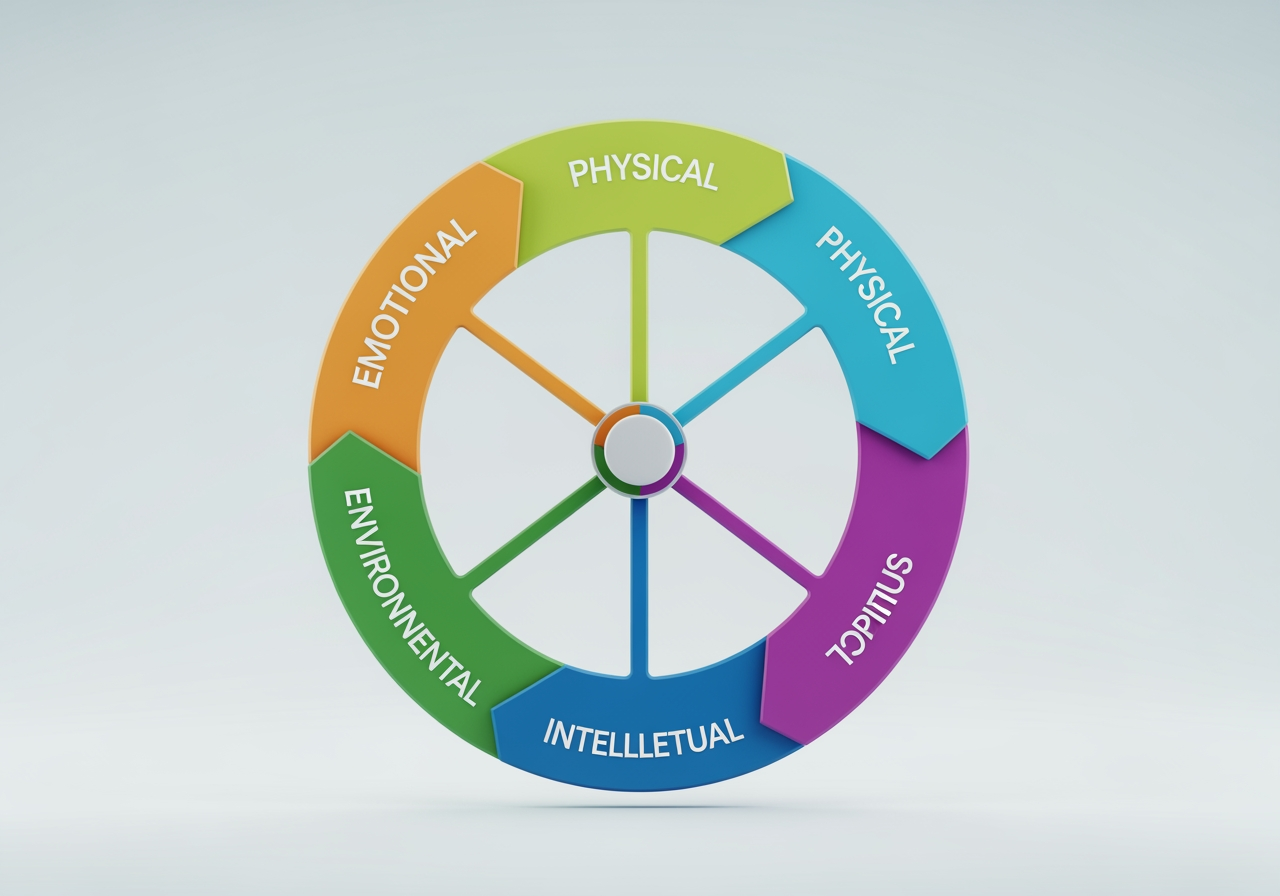
These dimensions are not isolated; they are deeply intertwined. For instance, financial stress can severely impact emotional and physical health, while strong social connections can bolster mental resilience and even improve physical outcomes. Embracing this holistic perspective empowers us to identify areas for growth and leverage resources, such as the comprehensive guidance found in the Your Healthiest Self: Wellness Toolkits | National Institutes of Health (NIH). The NIH emphasizes that each person’s “healthiest self” is unique, shaped by individual bodies, minds, living situations, and social influences. Their toolkits provide evidence-based tips tailored to these diverse needs across multiple life areas.
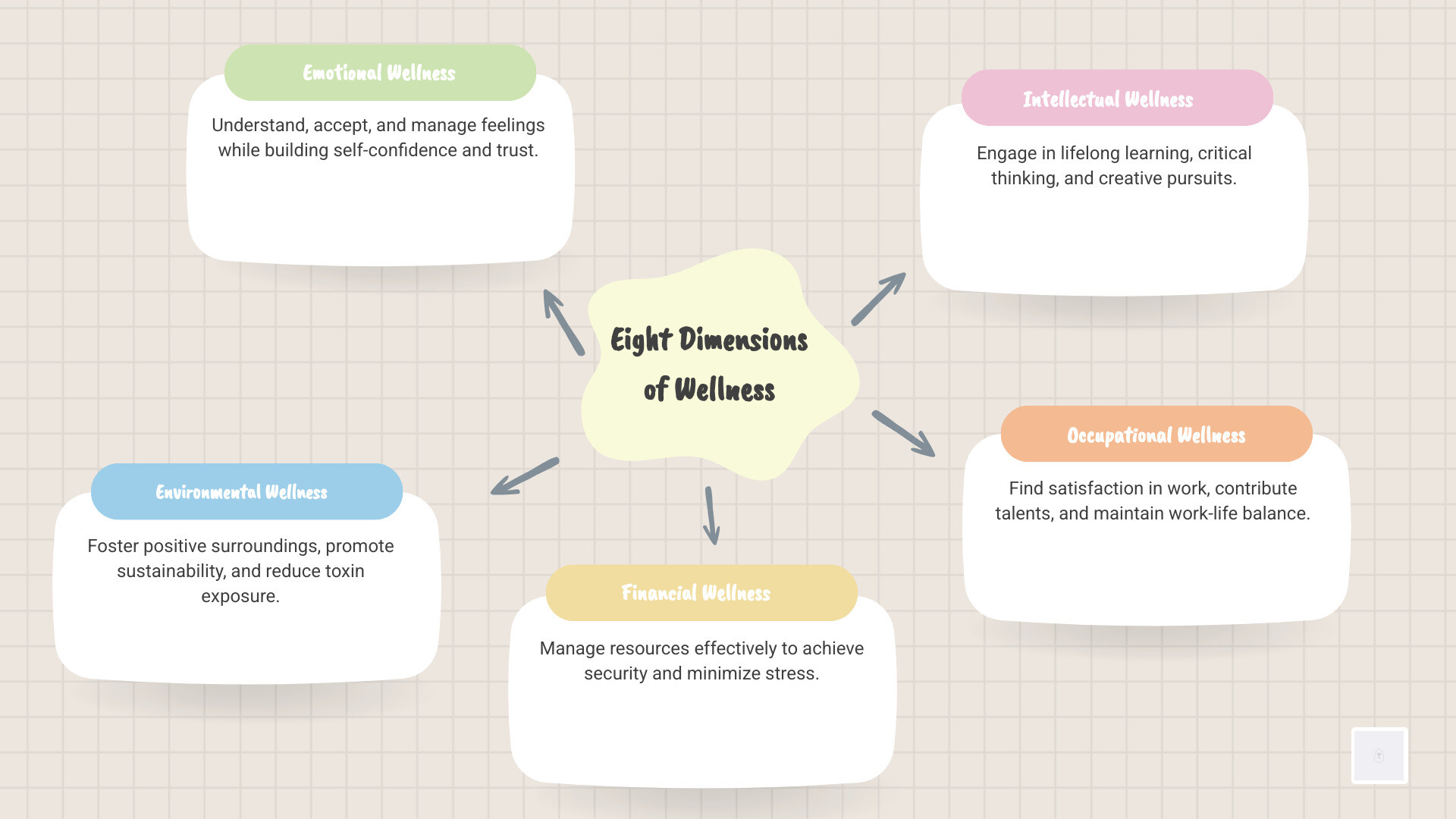
Here’s a closer look at the eight dimensions of wellness:
- Emotional Wellness: The ability to understand, accept, and manage our feelings, cope with life’s challenges, and build self-confidence and trust.
- Environmental Wellness: Fostering a positive relationship with our surroundings, promoting sustainability, and limiting exposure to harmful substances.
- Financial Wellness: Effectively managing our economic resources, understanding personal finances, and achieving financial security to reduce stress.
- Intellectual Wellness: Engaging in lifelong learning, critical thinking, creativity, and openness to new ideas and experiences.
- Occupational Wellness: Finding personal satisfaction and enrichment through our work, contributing our talents, and balancing work with other life domains.
- Physical Wellness: Maintaining a healthy body through nutrition, exercise, sleep, and preventive care, recognizing its impact on overall quality of life.
- Social Wellness: Building meaningful relationships, fostering a sense of connection and belonging, and engaging positively with our communities.
- Spiritual Wellness: Exploring our purpose in life, understanding our values, and finding meaning through personal beliefs, ethics, or a connection to something greater than ourselves.
Occupational and Intellectual Growth
Our professional and intellectual lives are integral components of our overall wellness. Occupational wellness extends beyond just having a job; it involves finding purpose, satisfaction, and growth in our work or chosen activities. This means setting realistic career goals, managing workplace conflicts effectively, and ensuring a healthy work-life balance that prevents burnout. It’s about leveraging our skills and talents while also seeking opportunities for personal and professional development.
Similarly, intellectual wellness thrives on lifelong learning and curiosity. It encourages us to engage in critical thinking, embrace creativity, and remain open to new ideas and experiences. This can manifest in various ways, from pursuing formal education and acquiring new skills to engaging in hobbies, reading diverse literature, or traveling to new places. These activities not only enrich our minds but also contribute to our adaptability and problem-solving abilities. The National Institutes of Health’s Physical Wellness Toolkit subtly reminds us that even physical activity can enhance cognitive function and intellectual sharpness, demonstrating the interconnectedness of these dimensions.
Environmental and Financial Stability
The environment we inhabit, both natural and built, profoundly influences our health. Environmental wellness involves understanding and respecting the natural world, promoting sustainable practices, and actively working to reduce our exposure to potentially harmful substances. This could mean spending more time outdoors, practicing recycling, minimizing waste, or ensuring our living and working spaces are safe and healthy. The core principle is respect for all nature and species, recognizing that our well-being is inextricably linked to the health of our planet.
Equally critical is financial wellness, which often acts as a foundational pillar supporting other dimensions. Financial stress can be a significant impediment to overall health, impacting mental well-being, sleep quality, and even physical health. Improving financial wellness involves practical steps like budgeting, building savings, understanding loans, and making informed financial decisions. It’s about gaining control over our economic lives, starting with small, manageable changes. Harvard Health’s exploration of The pillars of self-care frequently touches upon how managing stressors, including financial ones, is crucial for preventing chronic disease and fostering longevity.
Spiritual Wellness and Purpose
Spiritual wellness is often misunderstood, yet it plays a profound role in our resilience and sense of purpose. It doesn’t necessarily equate to religious adherence, but rather involves exploring our personal belief systems, values, and ethics. This dimension encourages inner exploration, seeking meaning in life, and understanding our place in the larger scheme of existence. Practices like meditation, mindfulness, or simply taking time for quiet reflection can foster spiritual growth.
A strong sense of spiritual wellness can provide a moral compass, enhance our ability to cope with adversity, and contribute to a feeling of interconnectedness. It helps us appreciate the perspectives of others and find strength in our core values. This deep sense of purpose can be a powerful motivator for maintaining other aspects of our health. As Harvard Health discusses in its broader perspective on Self-Care – Harvard Health, true self-care extends beyond physical habits to encompass mental and emotional well-being, which is deeply supported by a cultivated spiritual life.
Mental and Emotional Foundations for Resilience
Mental health is not merely the absence of mental illness; it is a state of well-being that underpins our capacity to think, feel, interact, and thrive. It allows us to realize our own abilities, cope with the normal stresses of life, work productively, and make meaningful contributions to our communities. Its essential nature to overall well-being cannot be overstated, as it influences every other dimension of our health.

Our mental health is shaped by a complex interplay of socioeconomic factors, biological determinants, and environmental influences. Stress management is a cornerstone of maintaining mental and emotional equilibrium. Chronic stress can have detrimental effects on both mind and body, making it crucial to develop effective coping mechanisms. For those seeking professional guidance in navigating these complex emotional landscapes, exploring resources for Personal health and wellness counseling can provide invaluable support and strategies. These services can offer tailored approaches to understanding and managing emotional challenges, fostering greater resilience.
Beyond traditional counseling, many individuals find benefit in exploring diverse therapeutic modalities. Options like Alternative Therapy – Bradenton can offer complementary approaches to mental and emotional well-being, ranging from mindfulness practices to holistic healing techniques that support overall balance. The key is to find strategies that resonate with individual needs and preferences, creating a robust toolkit for mental resilience.
Fostering Emotional Wellness through Personal Health and Wellness Practices
Emotional wellness is about being fully in touch with our feelings and emotions, both regarding ourselves and in our interactions with others. It involves developing self-confidence, fostering trust, and cultivating a deep understanding of the body-mind connection. Daily practices can significantly enhance this dimension. Practicing gratitude, for instance, can shift our perspective towards positivity, while engaging in self-compassion can build resilience against self-criticism.
Humor, as often noted, can be a powerful medicine, helping us to decrease stress and put life’s challenges into perspective. Recognizing and addressing emotional challenges, rather than suppressing them, is vital. This might involve journaling, talking to a trusted friend, or seeking professional support when needed. Establishing a foundation of emotional well-being is a proactive step towards a healthier, more balanced life, and can be supported by comprehensive care models. For those in the Bradenton area, seeking out Direct Primary Care Bradenton FL | Personal Care Today can offer a personalized and accessible approach to integrating emotional health into a broader wellness plan, often providing a direct line to care and guidance.
The Role of Social Connectivity
Humans are inherently social beings, and our social wellness profoundly impacts both our mental and physical health. Building and maintaining meaningful relationships, whether with family, friends, or community members, is crucial. This involves developing skills like active listening, open communication, and empathy. Social interaction provides a sense of belonging, support, and shared experience, which are vital buffers against stress and isolation.
The risks of loneliness are significant, often leading to increased rates of depression, anxiety, and even physical health problems. Conversely, strong social connections have been linked to greater longevity and improved overall well-being. Engaging in social habits, such as volunteering, participating in community groups, or simply spending quality time with loved ones, contributes to a robust social network. Contributing to our community not only benefits others but also provides a sense of purpose and connection for ourselves. The NIH’s focus on comprehensive health, as seen in resources like their NIH physical wellness checklist, implicitly acknowledges that social support often plays a role in adherence to physical health goals and overall well-being.
Evidence-Based Physical Health and Self-Care Pillars
Physical wellness is the cornerstone upon which much of our overall health is built. It encompasses the daily habits and conscious decisions we make to maintain a healthy body, reduce the risk of disease, and increase our energy levels. Harvard Health outlines key self-care pillars that, when consistently practiced, can significantly reduce the risk of chronic diseases and extend longevity. Studies have even quantified this impact: practicing five specific healthy lifestyle habits from age 50 onward can extend life by more than a decade – women living to an average of 93 (compared to 79 for those who practice none) and men to nearly 88 (compared to 75).

These longevity habits are not complex or esoteric; they are fundamental choices that collectively yield profound benefits. Maintaining a healthy Body Mass Index (BMI) between 18.5 and 24.9 is a critical factor, as is avoiding smoking entirely. Regular physical activity, a balanced diet rich in fruits, vegetables, and whole grains, and moderate alcohol consumption (one drink per day for women, two for men) complete this powerful quintet. Adopting these pillars of self-care is a proactive investment in a longer, healthier life. Even the most fundamental aspects of health, such as regular dental check-ups and preventative care, contribute to this broader picture of physical wellness, as highlighted by practices like David C. Ashley DMD & Associates – Trusted • Caring • Gentle, emphasizing that comprehensive health includes oral health.
Here are the five healthy lifestyle habits that extend life by more than a decade:
- Maintaining a healthy body mass index (BMI) between 18.5 and 24.9.
- Engaging in at least 3.5 hours of moderate-to-vigorous physical activity every week.
- Adhering to a high-quality diet rich in fruits, vegetables, whole grains, and healthy fats.
- Never smoking.
- Limiting alcohol intake to moderate levels (up to one drink per day for women, up to two for men).
NIH and WHO Activity Standards
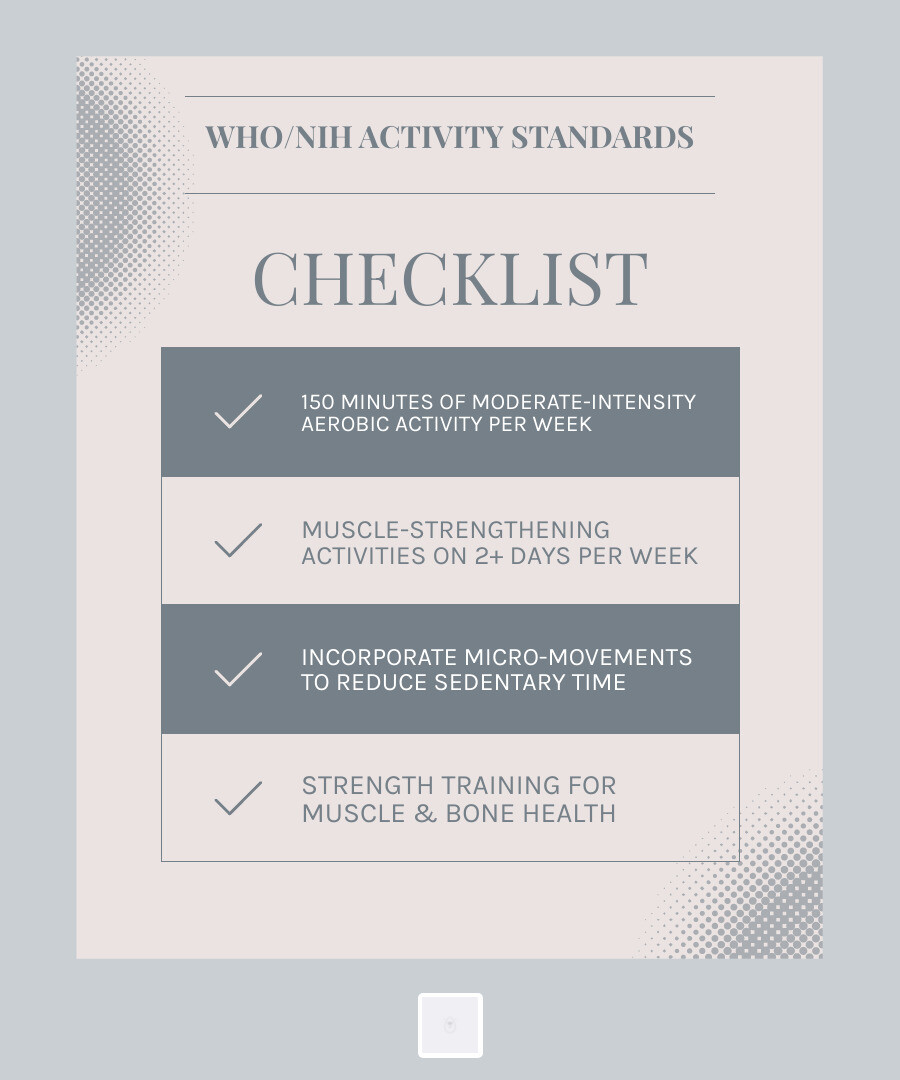
When it comes to physical activity, clarity on recommendations is key. Experts, including the NIH and WHO, recommend that adults get at least 150 minutes (two and a half hours) of moderate-intensity physical activity per week. This isn’t an all-or-nothing proposition; this goal can be broken down into smaller, more manageable sessions, such as 20 to 30 minutes a day. Beyond cardiovascular activity, strength training is equally important, with recommendations for engaging all major muscle groups at least two days a week for adults. For children and teens, three days a week is advised.
Sedentary behavior, often referred to as “sitting disease,” is scientifically linked to various chronic medical problems, even for individuals who meet their weekly exercise targets. Every minute of movement counts. Incorporating “micro-movements” throughout the day – like taking the stairs, parking further away, or standing while working – can significantly reduce sedentary time. Muscle building, through strength training, is essential not only for physical strength but also for maintaining bone health and counteracting the natural decrease in muscle mass and slowing metabolism that occurs with age.
Nutrition and Sleep Hygiene
Beyond activity, two other critical pillars of physical wellness are nutrition and sleep. Adults need 7 or more hours of quality sleep per night for optimal physical and mental functioning. Establishing a consistent sleep schedule, going to bed and waking up at the same time each day, helps regulate our circadian rhythms and improves sleep quality.
Nutrition involves making conscious choices about what we put into our bodies. A diet rich in nutrient-dense foods—fruits, vegetables, lean proteins, and whole grains—provides the fuel our bodies need. Conversely, limiting intake of added sugars, unhealthy fats, and excessive sodium is crucial. Simple strategies, like rinsing canned foods to reduce sodium or replacing saturated fats with unsaturated options, can make a big difference. Hydration is also paramount; drinking plenty of liquids throughout the day supports all bodily functions. Alcohol consumption should be moderate, defined as 2 drinks or less a day for men or 1 drink or less a day for women, on days when alcohol is consumed. For those looking to manage their weight effectively, tools like the NIH Body Weight Planner can help calculate specific calorie needs and track progress.
The Oral-Systemic Connection and Preventive Care
Often overlooked in broader discussions of personal health and wellness, oral health holds a surprisingly critical position. Far from being an isolated concern, our oral health serves as a significant indicator and contributor to our overall systemic health. The connection between gum health and systemic diseases, such as heart disease and diabetes, is well-established by research. Chronic inflammation and bacteria from gum disease (periodontitis) can enter the bloodstream, potentially exacerbating existing conditions or increasing the risk of developing new ones.
This intricate link underscores why comprehensive care, including specialized dental solutions, is an essential part of a holistic wellness plan. For instance, addressing missing teeth is not just a cosmetic concern; it impacts nutrition, speech, and can lead to further oral health complications. Solutions like Bradenton personalized tooth replacement can restore function and maintain the integrity of the jawbone, contributing significantly to overall well-being. Regular periodontal care is vital for preventing and managing gum disease, mitigating its systemic impact. Reputable dental practices, such as David C. Ashley DMD & Associates, emphasize the importance of preventative measures and comprehensive treatment plans to ensure that oral health supports, rather than detracts from, overall vitality.
Integrating Oral Care into Personal Health and Wellness
Integrating robust oral care into our daily wellness routine is straightforward and highly impactful. The fundamentals remain: brushing twice daily with fluoride toothpaste, flossing daily to remove plaque and food particles, and using an antimicrobial mouthwash to reduce bacteria. Beyond these habits, nutrition plays a role; a diet rich in calcium and vitamin C supports healthy teeth and gums. Avoiding tobacco products is critical, as they are major risk factors for gum disease and oral cancers.
Regular dental check-ups are not just for addressing problems; they are crucial for preventive care, including oral cancer screenings and professional cleanings that remove stubborn plaque and tartar. Managing stress can also indirectly benefit oral health, as stress can lead to habits like teeth grinding or clenching. For those seeking complementary approaches to health, even considering Alternative Therapy – Bradenton might include discussions on how holistic practices can support stress reduction, which in turn benefits oral health.
The Importance of Regular Check-ups
Preventive care, including regular health check-ups and professional consultations, forms an indispensable layer of personal health and wellness. These appointments are not just for when we feel unwell; they are crucial for early detection of potential issues, preventive screenings, and staying up-to-date on vaccinations. Many chronic diseases can be managed more effectively, or even prevented, when caught in their early stages.
Regular interaction with healthcare providers fosters a strong patient-provider relationship, enabling personalized advice and consistent monitoring of health metrics. This proactive approach allows for timely interventions and adjustments to wellness plans. Modern healthcare also offers conveniences like teledentistry and direct primary care models, enhancing accessibility. For residents in the Bradenton area, Direct Primary Care Bradenton FL offers an accessible model that can facilitate these regular check-ups, ensuring a continuous and personalized approach to health management.
Building Sustainable Habits and Personalized Wellness Plans
The journey to personal health and wellness is not a sprint but a marathon, requiring the cultivation of sustainable habits and a personalized approach. One of the most effective ways to build these habits is by understanding and overcoming common barriers. These often include lack of time, motivation, or resources. By focusing on small, incremental changes and leveraging environmental triggers, we can make healthy choices easier and more automatic. For example, placing gym clothes by the bed or healthy snacks at eye level can nudge us towards better behaviors.
The National Institutes of Health provides invaluable resources, such as their Your Healthiest Self: Wellness Toolkits, which offer evidence-based strategies across various wellness dimensions. These toolkits can be particularly helpful in developing tailored plans that resonate with individual needs and circumstances. Whether you’re a student balancing academics with well-being or an adult navigating career and family demands, these resources provide actionable steps. Goal setting should be realistic and specific, and tracking progress, even small victories, can provide powerful motivation.
Here are steps to create a personalized wellness plan:
- Self-Assessment: Identify your current strengths and areas for improvement across all eight dimensions of wellness.
- Set SMART Goals: Define Specific, Measurable, Achievable, Relevant, and Time-bound goals for each dimension you wish to address.
- Identify Barriers and Solutions: Anticipate potential obstacles and strategize ways to overcome them (e.g., lack of time -> schedule short bursts of activity).
- Leverage Resources: Utilize evidence-based toolkits, professional guidance, and community support systems.
- Build Micro-Habits: Start with small, manageable changes that can be consistently maintained and gradually expanded upon.
- Monitor Progress and Adjust: Regularly review your progress, celebrate successes, and be willing to adjust your plan as your needs evolve.
- Practice Self-Compassion: Understand that setbacks are part of the process; learn from them and continue forward without harsh self-judgment.
Frequently Asked Questions about Personal Health and Wellness
What are the eight dimensions of wellness?
The eight dimensions of wellness are emotional, environmental, financial, intellectual, occupational, physical, social, and spiritual. These dimensions are interconnected and contribute holistically to an individual’s overall well-being. Emotional wellness involves managing feelings and coping with life’s challenges. Environmental wellness focuses on creating a healthy and sustainable living space. Financial wellness pertains to managing economic resources effectively. Intellectual wellness emphasizes lifelong learning and critical thinking. Occupational wellness is about finding satisfaction and purpose in one’s work. Physical wellness covers maintaining a healthy body through diet, exercise, and sleep. Social wellness involves building meaningful relationships and connections. Spiritual wellness explores purpose, values, and personal beliefs.
How much physical activity do adults need weekly?
According to guidelines from organizations like the National Institutes of Health (NIH) and the World Health Organization (WHO), adults should aim for at least 150 minutes (2.5 hours) of moderate-intensity aerobic physical activity per week. This can be broken down into shorter sessions, such as 30 minutes five days a week, or even smaller bouts throughout the day. Additionally, adults should incorporate muscle-strestrengthening activities that work all major muscle groups on two or more days per week. This combination helps reduce the risk of chronic diseases, improve cardiovascular health, strengthen bones, and enhance overall physical and mental well-being.
What is the connection between oral health and heart disease?
The connection between oral health and systemic health, particularly heart disease, is a significant area of research. Chronic gum disease, also known as periodontitis, involves inflammation and bacterial infection in the gums and supporting bone structures of the teeth. The bacteria from infected gums can enter the bloodstream, traveling to other parts of the body, including the heart. This can contribute to inflammation in the arteries, potentially increasing the risk of atherosclerosis (hardening of the arteries), heart attacks, and strokes. Furthermore, individuals with gum disease often share common risk factors with heart disease, such as smoking, diabetes, and poor nutrition. Maintaining good oral hygiene and seeking regular dental care are therefore crucial steps in protecting not only oral health but also overall cardiovascular health.
Conclusion
As we navigate the complexities of modern life in May 2026, the concept of personal health and wellness has evolved into a comprehensive, multi-dimensional pursuit. It’s clear that true well-being extends far beyond the absence of illness, encompassing our mental, emotional, social, spiritual, intellectual, occupational, environmental, and financial states. By embracing this holistic perspective, we empower ourselves to build resilience, find purpose, and cultivate a life of vitality.
The evidence is compelling: proactive self-care, guided by insights from leading health organizations, can significantly reduce the risk of chronic diseases and add years to our lives. From adopting evidence-based physical habits to nurturing our mental and emotional foundations, every step we take contributes to our overall health. The interconnectedness of these dimensions means that improvements in one area often ripple positively through others, creating a virtuous cycle of well-being. As Harvard Health reminds us in its discussion of The pillars of self-care – Harvard Health, prioritizing these fundamental aspects of health is not a luxury, but a necessity for a flourishing life. By committing to this lifelong wellness journey, we are not just striving for good health; we are investing in a future filled with greater energy, confidence, and fulfillment.


