
The Multidimensional Ecosystem of Personal Health and Wellness
 True personal health and wellness is more than just avoiding sickness or following the latest trends. It’s about building a balanced life that supports every part of who we are. Many generic health tips often fall short because they don’t consider our individual needs. We are all unique, and our bodies respond differently to food, exercise, and stress.
In this extensive guide, we will explore the many dimensions of personal wellness, from physical and emotional to financial and environmental. We’ll show you how to create a personalized plan that truly works for you, embracing the idea that your path to health is unique. This includes understanding what our bodies tell us, sometimes even through outward signs like skin health. Addressing specific needs, whether for overall well-being or through specialized care, is key to our journey. We will also look at how modern tools and professional support can help us stay on track, and how to overcome common obstacles to a healthier, happier life.
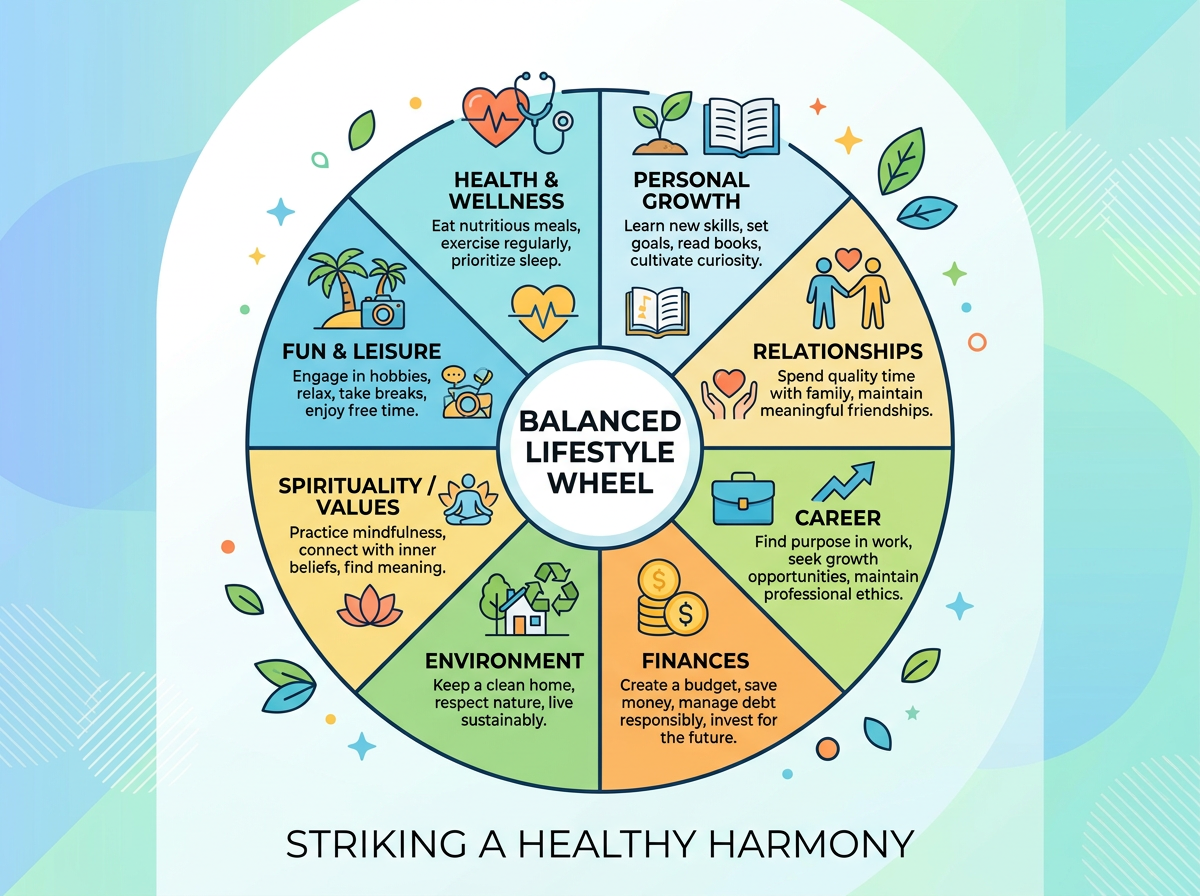
Personal health and wellness is not a singular pursuit but a complex, interconnected ecosystem. It encompasses various dimensions, each influencing and being influenced by the others. Understanding these dimensions is the first step toward crafting a truly holistic and effective wellness plan. We often categorize these into physical, emotional, intellectual, social, spiritual, occupational, financial, and environmental wellness.
Physical wellness, for instance, involves maintaining a healthy body through nutrition, regular physical activity, adequate sleep, and conscious health decisions. Yet, despite widespread knowledge, only 23% of Americans get enough exercise every day, highlighting a significant gap between awareness and action. Emotional wellness, on the other hand, is about being in touch with our feelings, developing self-confidence, and managing stress effectively. Intellectual wellness fosters critical thinking, curiosity, and creativity, encouraging us to continuously learn and grow.
Social wellness emphasizes developing meaningful relationships and navigating diverse social situations, recognizing the value of human connection. Spiritual wellness involves seeking purpose and meaning, often through a personal belief system or appreciation for various perspectives. Occupational wellness relates to finding satisfaction and enrichment in our work, which is crucial given that most people spend an average of about 34% of their time at work. Financial wellness, perhaps surprisingly, has a profound impact on all other dimensions, as a lack of resources for basic needs can hinder care in physical, mental, social, and environmental areas. Lastly, environmental wellness involves fostering a healthy relationship with our surroundings, from the air we breathe to the communities we inhabit.
These dimensions are not isolated; they are deeply intertwined. For example, stress from occupational pressures can manifest physically as digestive issues or skin problems. Conversely, engaging in regular physical activity can boost mood and intellectual clarity. For those seeking comprehensive resources to understand these facets, the National Institutes of Health offers valuable Your Healthiest Self: Wellness Toolkits, providing science-based tips for living well. Similarly, the NIH News in Health provides further insights into these toolkits, emphasizing that each person’s “healthiest self” is unique. Programs like DIMENSIONS: Well Body Program also illustrate how these areas are integrated into a holistic approach. Even something as specific as Personalized dental wellness contributes to our overall physical health, impacting everything from nutrition to self-confidence. For those in the Denver area, resources like Denver Wellness Associates offer specialized support for psychiatric care, underscoring the importance of addressing mental health within this broader framework.
The Interconnection of Physical and Mental Health
The intricate dance between our physical and mental states is perhaps one of the most critical aspects of personal wellness. Modern science increasingly reveals how psychological stress can trigger physiological responses, creating a ripple effect throughout the body. For instance, chronic stress leads to elevated cortisol levels, a hormone that, when consistently high, can suppress the immune system, increase systemic inflammation, and even impair skin barrier function. This can manifest as exacerbated conditions like acne, eczema, or even just persistent dryness, especially in challenging climates.
In Denver, where we experience a high-altitude, low-humidity environment, maintaining skin barrier integrity is already a challenge. When compounded by stress-induced cortisol, the skin’s ability to retain moisture and protect against environmental aggressors is further compromised, leading to increased transepidermal water loss and a dull, irritated complexion. This connection underscores why clinical dermatological insights are so crucial, not just for treating symptoms but for understanding the systemic roots of skin health.
Beyond skin, the interplay extends to our sleep architecture. Mental stressors can disrupt sleep cycles, leading to fragmented sleep, which in turn impairs cognitive function, mood regulation, and physical recovery. This creates a vicious cycle where poor sleep fuels stress, and stress sabotages sleep. Understanding these cortisol pathways and their broad impact allows us to approach wellness with a more integrated perspective. We recognize that addressing mental well-being through mindfulness, stress reduction techniques, or therapy can have tangible benefits for our physical health, from reducing inflammation to improving sleep quality. For further reading on various health topics and their connections, we encourage you to visit our Blog.
Bio-Individuality and the Pitfalls of Standardized Health Protocols
The concept of bio-individuality is fundamental to understanding why generic health advice often falls short. It posits that each person has unique needs, responses, sensitivities, and rhythms based on their distinct genetic makeup, metabolic differences, gut microbiome composition, lifestyle, and environmental exposures. What works wonders for one individual might be ineffective or even detrimental for another. This is why a one-size-fits-all approach to diet, exercise, or even stress management often leads to frustration and failure.
Consider “Sarah,” a 34-year-old corporate professional residing in Denver’s Cherry Creek neighborhood. For years, she struggled with chronic fatigue, adult acne flare-ups, and persistently dry skin, especially living in our mile-high climate. She diligently followed popular “clean eating” diets, eliminated entire food groups, and engaged in high-intensity interval training (HIIT) several times a week, believing these were the hallmarks of a healthy lifestyle. Yet, her symptoms persisted, and her skin, far from glowing, was inflamed and prone to breakouts.
Sarah’s experience is a classic example of bio-individuality at play. Her body, under the combined stress of a demanding job, intense workouts, and potentially restrictive eating, was in a state of chronic stress. While HIIT might be beneficial for some, for Sarah, it was likely overtaxing her adrenal system, contributing to elevated cortisol and systemic inflammation, which manifested in her fatigue and acne. Her dry skin, exacerbated by Denver’s low humidity, was further compromised by internal inflammatory processes.
This scenario highlights why we must Start Personalizing Your Health | MAHA Monday rather than blindly following trends. Generic advice, while well-intentioned, fails to account for unique physiological responses. For Sarah, the solution wasn’t more intense workouts or stricter diets, but a shift towards circadian alignment, barrier repair for her skin, and low-impact movement. By listening to her body, she discovered that gentle yoga and walks in Washington Park were more beneficial than high-intensity sessions. Similarly, dietary changes focused on nutrient density and gut health, rather than elimination, proved more effective.
This personalized approach is also embraced by clinics that prioritize individual needs. For example, a Holistic Medical Clinic in Englewood, CO might offer tailored plans that consider the whole person, rather than just isolated symptoms. Even specialized medical care, such as that provided by Board-certified lipoma specialists, underscores the necessity of addressing unique bodily conditions with expert, individualized attention. Similarly, the Colorado Health and Wellness Center in Lakewood, CO, often emphasizes personalized care, recognizing that each patient’s path to wellness is distinct.
Bio-Individuality as the Foundation of Personal Health and Wellness
Recognizing bio-individuality as the cornerstone of personal health means shifting our perspective from prescriptive rules to adaptive strategies. It means understanding that our unique physiological responses dictate how we process nutrients, adapt to exercise, and even how our cells age. Customized nutrition, for instance, moves beyond broad dietary guidelines to consider an individual’s genetic predispositions, food sensitivities, and gut microbiome profile. What might be a superfood for one person could be an inflammatory trigger for another.
This principle extends to every aspect of our well-being, including how we care for our skin. Personalized skincare, often part of a broader Cosmetic Dermatology approach, acknowledges that skin types, concerns, and environmental exposures vary greatly. A treatment plan for someone living in a humid coastal climate will differ significantly from one for someone in Denver’s dry, sunny environment. By focusing on cellular health and understanding unique physiological responses, we can select interventions that truly resonate with our body’s inherent needs, fostering long-term vitality rather than temporary fixes.
Designing a Sustainable and Personalized Wellness Plan
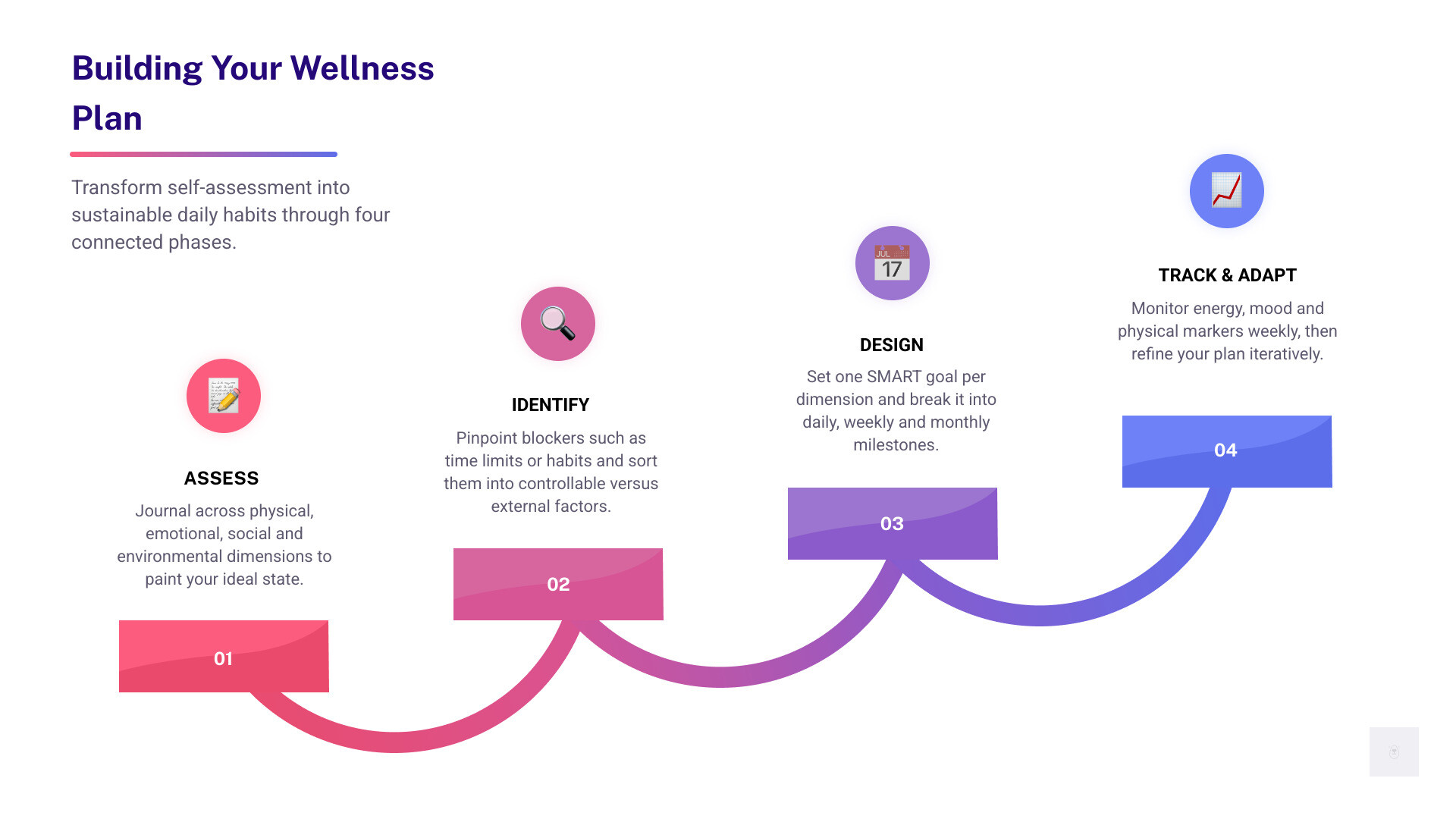
Creating a sustainable and personalized wellness plan requires introspection, strategic planning, and a commitment to ongoing adaptation. It moves beyond fleeting resolutions to build lasting habits that truly support our unique bio-individuality. The process begins with a thorough self-assessment, which involves honestly evaluating our current state across all dimensions of wellness – physical, emotional, intellectual, social, spiritual, occupational, financial, and environmental. This isn’t about judgment, but about gathering data on what feels good, what drains us, and where we aspire to grow.
Once we have a clear picture, we can move into goal setting. Rather than vague aspirations, effective goals are specific, measurable, achievable, relevant, and time-bound (SMART). For example, instead of “get healthier,” a SMART goal might be “incorporate 30 minutes of moderate-intensity walking into my daily routine, five days a week, for the next three months.” The emphasis here is on building habits that integrate seamlessly into our lives. Apps like Wellbody — Guided Body Health Plan | Fitness, Nutrition & Mindfulness App offer structured approaches to habit formation, providing daily actions tailored to specific goals.
The journey of designing a personalized plan is inherently iterative. It involves continuous self-assessment, reflection, and adjustment. This is why resources that support tailored approaches are so valuable. For example, Personalized health and wellness services often emphasize this bespoke approach, recognizing that individual needs evolve. In Denver, local establishments like We Care About Wellness | Cherry Creek Spa – Hotel Clio and the broader Wellness & Fitness – Denver’s Cherry Creek North district offer a variety of services that can be integrated into a personalized plan, from fitness studios to mindfulness practices.

Actionable Steps to Structure Your Personal Health and Wellness Plan
Tracking your progress, observing your energy levels, and noting changes in mood and physical well-being are crucial for adapting your plan over time. This iterative process ensures your wellness journey remains relevant and sustainable.
Leveraging Modern Technology and Clinical Resources for Accountability
In June 2026, the landscape of personal health and wellness is increasingly shaped by innovative technology and accessible clinical resources. These tools offer unprecedented opportunities for tracking progress, gaining insights, and staying accountable on our wellness journeys. The wellness industry, now worth an astonishing $6.3 trillion, reflects a growing global commitment to well-being, with the average person spending $99.96 monthly on wellness subscriptions. However, this proliferation of options can also lead to overwhelm, making it challenging to discern truly effective solutions.
Modern AI health companions and wearable devices have emerged as powerful allies. Wearable data, collected passively throughout the day, can provide valuable insights into sleep patterns, activity levels, heart rate variability, and stress responses. When integrated with AI companions, this data moves beyond mere metrics to generate personalized, actionable recommendations. For instance, platforms like Evra Health are designed to simplify chronic condition management by connecting fragmented health data from labs, wearables, and health history, translating complex information into simple daily actions. Similarly, Lemon Health – The Best AI for Your Health | Personal Wellness Companion positions itself as an all-in-one AI companion that converts personal data into timely, context-aware actions, helping users move from insights to tangible changes.
These tools are particularly beneficial for remote monitoring, allowing individuals to track progress and receive guidance outside of traditional clinical settings. They can help identify patterns, flag potential issues, and reinforce positive behaviors. However, it’s crucial to remember that technology is a tool, not a replacement for professional guidance. Clinical resources, such as the CU Anschutz Health and Wellness Center, provide expert medical oversight, personalized coaching, and evidence-based programs that can complement technological tracking.
Integrating Clinical Expertise with Daily Tracking
The most effective approach to leveraging modern tools lies in integrating their capabilities with professional clinical expertise. While AI companions can offer personalized daily nudges based on data, a healthcare professional can interpret complex trends, diagnose underlying conditions, and provide tailored medical advice that no algorithm can fully replicate. This synergy allows for a comprehensive and proactive approach to preventative medicine.
For instance, wearable data might indicate consistent sleep disturbances or elevated stress markers. An AI companion might suggest mindfulness exercises or earlier bedtimes. However, a clinician can delve deeper, exploring potential causes like sleep apnea, nutritional deficiencies, or chronic anxiety, and recommend specific interventions, whether it’s a sleep study, dietary changes, or cognitive behavioral therapy. This data synthesis empowers both the individual and their healthcare provider to make informed decisions. When you’re ready to take the next step and consult with a professional, you can easily Book Online to schedule an appointment.
Overcoming Structural and Environmental Barriers to Well-Being
While personal responsibility plays a significant role in wellness, it’s equally important to acknowledge and address the structural and environmental barriers that can impede our health journeys. Socioeconomic factors, for example, heavily influence access to nutritious food, safe environments for exercise, quality healthcare, and stress-reducing resources. The stark reality that over 38 million people living in the U.S. are currently experiencing food insecurity underscores how fundamental needs can directly impact physical and mental well-being.
Environmental stressors, such as pollution, lack of green spaces, or even the unique climatic conditions of our surroundings, also exert considerable influence. For those living in Denver, our high-altitude environment presents specific challenges that require conscious adaptation. Recognizing these barriers is the first step toward identifying sustainable solutions, both individually and collectively. Sometimes, overcoming these barriers requires seeking external assistance or guidance, and we encourage you to Contact Us if you need support in navigating your wellness journey.
Navigating High-Altitude Environmental Stressors in Colorado
Living in Colorado, particularly in the Denver metro area, offers incredible opportunities for an active outdoor lifestyle, but it also comes with unique environmental stressors that directly impact personal health and wellness. The mile-high altitude (5,280 feet) means lower atmospheric pressure, which can affect oxygen absorption and increase dehydration. Compounding this, Denver often experiences low atmospheric humidity, frequently dropping below 20%. This dry air significantly increases transepidermal water loss (TEWL), leading to dehydrated skin, lips, and mucous membranes.
Furthermore, the higher altitude means a higher UV index. With less atmosphere to filter sunlight, UV radiation is more intense, increasing the risk of sunburn, premature skin aging, and skin cancer. For those embracing the active outdoor lifestyle of the Front Range, whether hiking, skiing the I-70 corridor, or enjoying Washington Park, rigorous photoprotection is paramount.
To counteract these environmental challenges, specific hydration strategies are essential. This goes beyond just drinking more water; it includes ensuring adequate electrolyte balance and utilizing topical lipids and humectants to support skin barrier repair. Incorporating humidifiers indoors, especially during dry winter months, can also significantly reduce TEWL. Understanding and actively mitigating these high-altitude environmental stressors is a critical component of personal health and wellness for anyone living in or visiting Colorado.
Frequently Asked Questions About Personal Health and Wellness
How does Denver’s high altitude affect daily hydration and skin health?
Denver’s high altitude and low atmospheric humidity significantly impact hydration and skin health. The lower atmospheric pressure means less oxygen, which can subtly increase the body’s metabolic rate and water loss through respiration. More critically, the extremely dry air dramatically increases transepidermal water loss (TEWL) from the skin. This leads to chronic dehydration not just internally, but also externally, manifesting as dry, flaky, or irritated skin. To combat this, we recommend increasing overall fluid intake, focusing on electrolyte-rich hydration, and using robust topical skincare products with ceramides, hyaluronic acid, and occlusives to support the skin barrier.
Why do standardized diet and exercise plans often fail to produce long-term results?
Standardized diet and exercise plans often fail due to a lack of consideration for bio-individuality. Each person has unique metabolic differences, genetic predispositions, and gut microbiome compositions, meaning their bodies respond differently to the same inputs. What might be an effective fat-burning workout for one person could lead to overtraining and stress-induced cortisol spikes for another. Similarly, a “healthy” diet for one individual might cause inflammation or digestive issues for another due to sensitivities or metabolic variations. Long-term success hinges on understanding one’s unique physiological responses and adapting plans accordingly, rather than adhering to rigid, generic protocols.
How can busy professionals balance occupational demands with physical wellness?
Balancing demanding professional lives with physical wellness requires strategic planning and the implementation of micro-habits. Instead of aiming for lengthy, infrequent workouts, busy professionals can integrate short bursts of activity throughout the day, such as active commuting (walking or biking to work), taking walking breaks, or incorporating ergonomic adjustments at their workstations. Setting clear boundaries between work and personal time is crucial to protect sleep and recovery. Utilizing AI health companions for reminders and tracking, and scheduling short, consistent movement sessions, can make physical wellness achievable even amidst a packed schedule.
Conclusion
Embarking on a journey toward comprehensive personal health and wellness in June 2026 means embracing a profound truth: our well-being is a dynamic, multifaceted ecosystem, unique to each individual. We’ve explored how physical, emotional, intellectual, social, spiritual, occupational, financial, and environmental dimensions are inextricably linked, forming the tapestry of our overall health. The pervasive failure of one-size-fits-all health protocols underscores the critical importance of bio-individuality, urging us to listen to our bodies and tailor our approaches, especially when navigating specific environmental challenges like Denver’s high-altitude climate.
By committing to self-assessment, setting realistic goals, and systematically building sustainable habits, we can design a personalized wellness plan that truly resonates with our unique needs. Modern tools, from AI health companions to wearable technology, offer powerful support for tracking progress and maintaining accountability, but they are most effective when integrated with the invaluable insights of clinical expertise. Overcoming structural and environmental barriers requires both individual adaptation and a broader societal commitment to equitable access and healthier surroundings.
True personal health and wellness is an ongoing journey of self-discovery, adaptation, and conscious choice. It’s about fostering whole-person health, cultivating sustainable habits, and leveraging both personal insight and professional support to achieve long-term vitality.


