Defining Cosmetic and Reconstructive Care
At the heart of plastic surgery lies a dual purpose: to restore and to enhance. While often grouped, cosmetic and reconstructive care serve distinct primary objectives, each playing a vital role in patient well-being. Both fields demand immense surgical skill and an artistic eye, contributing to improved patient self-esteem and quality of life. For instance, dental professionals also offer a range of services from essential restorative work to aesthetic enhancements, providing comprehensive, Award-winning cosmetic and reconstructive care that mirrors the broader principles of plastic surgery.
Reconstructive Surgery: Restoring Form and Function
Reconstructive surgery focuses on repairing or rebuilding parts of the body affected by physical deformities. These deformities might stem from congenital defects (present at birth), trauma (injuries from accidents, burns, or violence), or medical conditions such as cancer. The primary goal is to restore normal function and appearance, allowing patients to lead healthier, more comfortable lives. The American Society of Plastic Surgeons highlights that these procedures are performed to correct deformities created by birth defects, trauma, or medical conditions, including cancer. Annually, nearly one million reconstructive surgery procedures are performed in the United States, underscoring the critical need for this specialized care.
Common reconstructive procedures include repairing cleft lips and palates, reconstructing breasts after mastectomy, mending severe trauma wounds, and addressing complex facial defects. The emphasis here is on medical necessity – the procedure is required to correct a physical impairment or disfigurement that impacts health or quality of life. For a deeper understanding of the scope and purpose, you can explore a comprehensive reconstructive surgery overview.
Cosmetic Surgery: Enhancing Aesthetic Appearance
In contrast, cosmetic surgery is primarily an elective field focused on enhancing a patient’s aesthetic appearance. These procedures are performed on otherwise normal anatomical structures to reshape them, improve proportions, or reduce visible signs of aging. The motivation is typically personal desire for aesthetic improvement and increased self-confidence, rather than medical necessity.
Examples of common cosmetic procedures include breast augmentation, liposuction, facelifts, and rhinoplasty (nose reshaping) performed solely for aesthetic reasons. While these procedures can significantly boost a patient’s self-image and overall well-being, they are generally not covered by health insurance due to their elective nature. To learn more about available aesthetic enhancements, you might consult resources detailing various cosmetic surgery options.
The Overlap in Cosmetic and Reconstructive Care
While the distinctions are clear, there are instances where cosmetic and reconstructive surgery can overlap or even blend. A prime example is rhinoplasty. If performed to correct breathing difficulties caused by a deviated septum (septoplasty), it is reconstructive. However, if the primary goal is to change the nose’s shape for aesthetic reasons, it is cosmetic. Often, a patient may seek a procedure that addresses both functional issues and aesthetic concerns, such as correcting a nasal fracture that impacts both breathing and appearance. In such cases, plastic surgeons meticulously determine the best approach, aiming for optimal functional restoration while maximizing the cosmetic outcome. Another area of overlap can be seen in scar revision techniques, which aim to improve the appearance of scars that might be a result of trauma or previous surgeries.
The intent and medical necessity are key factors in categorizing a procedure. Plastic surgeons are uniquely trained to navigate this complexity, applying the same advanced surgical principles to both reconstructive and cosmetic cases. The end goal, regardless of classification, should always include achieving the best possible aesthetic result for the patient.
Here’s a simplified comparison:
Feature Reconstructive Surgery Cosmetic Surgery Primary Goal Restore function and normal appearance Enhance aesthetic appearance Medical Need Medically necessary Elective; not medically necessary Target Abnormal structures (due to defects, trauma, disease) Normal structures Insurance Often covered (with documentation of medical necessity) Generally not covered Examples Cleft palate repair, breast reconstruction, trauma repair Breast augmentation, facelift, liposuction (for aesthetics)
Key Procedures in Modern Plastic Surgery
Plastic surgery encompasses a vast array of procedures designed to address concerns across the entire body. From delicate facial work to complex body contouring, our focus remains on surgical precision, patient safety, and achieving clinical excellence. The field continues to innovate, offering increasingly sophisticated solutions for patients.
Facial Rejuvenation and Reconstruction
The face is often the first area patients consider for both aesthetic enhancement and reconstructive needs. Cosmetic facial procedures aim to restore a youthful appearance, correct perceived imperfections, or refine features. Popular options include:
- Facelift (Rhytidectomy): Addresses sagging skin and wrinkles in the face and neck.
- Eyelid Surgery (Blevaplasty): Corrects drooping eyelids and under-eye bags.
- Rhinoplasty: Reshapes the nose for improved balance and proportion.
On the reconstructive side, facial procedures are often critical for restoring both form and function after significant injury or disease. Examples include:
- Mohs Reconstruction: Repairing defects left after skin cancer removal, often requiring intricate skin grafts or flaps.
- Head and Neck Reconstruction: Rebuilding structures after cancer resection or severe trauma, which can involve complex microvascular techniques. You can learn more about specialized head and neck reconstruction to understand the intricate nature of these procedures.
- Facial Reanimation: Restoring movement and symmetry for patients suffering from facial paralysis, often involving nerve transfers or muscle grafts.
Many patients also seek non-surgical options for facial rejuvenation. These can include injectables like neurotoxins and dermal fillers, chemical peels, and laser treatments. For those interested in refreshing their appearance without surgery, Board-certified non-surgical rejuvenation offers a range of effective treatments.
Breast Surgery Options
Breast procedures are among the most frequently performed in both cosmetic and reconstructive plastic surgery.
Cosmetic Breast Procedures:
- Breast Augmentation: Increases breast size and enhances shape, typically using implants.
- Breast Reduction: Reduces breast size to alleviate physical discomfort (back pain, neck pain) and improve proportion. While often considered reconstructive due to medical necessity, it also has significant aesthetic benefits.
- Breast Lift (Mastopexy): Lifts and reshapes sagging breasts without significantly changing their size.
Reconstructive Breast Procedures:
Breast reconstruction is a critical component of cancer care, offering women options to rebuild their breasts after mastectomy or lumpectomy. The goal is to restore the breast’s form and appearance, helping patients regain a sense of wholeness. Key techniques include:
- Implant-Based Reconstruction: Uses saline or silicone implants, often in conjunction with tissue expanders.
- Autologous Tissue Reconstruction: Uses the patient’s own tissue from another part of the body (e.g., abdomen, back, thigh) to create a new breast. The DIEP flap (Deep Inferior Epigastric Perforator flap), which uses abdominal tissue, is a common and advanced method. Memorial Sloan Kettering plastic surgeons perform nearly 3,000 breast reconstruction procedures each year, among the highest number in the country, with over 700 using patients’ own tissue annually.
- Nipple and Areola Reconstruction: The final stage, creating a natural-looking nipple and areola.
For individuals considering or undergoing this journey, understanding what is breast reconstruction is essential. Additionally, some patients may seek breast implant removal for various reasons, including health concerns or a desire for a different aesthetic.
Body Contouring and Extremity Care
Body contouring procedures are popular for reshaping various areas of the torso and limbs, often following significant weight loss or to address stubborn fat deposits.
Cosmetic Body Contouring:
- Abdominoplasty (Tummy Tuck): Removes excess skin and fat from the abdomen and tightens abdominal muscles.
- Liposuction: Suctions out localized fat deposits from areas like the abdomen, flanks, thighs, and arms.
- Post-Weight Loss Body Contouring: A series of procedures (e.g., body lift, arm lift, thigh lift) to remove excess skin after massive weight loss, often after bariatric surgery.
Reconstructive Extremity Care:
Reconstructive procedures for the extremities focus on restoring function and appearance to hands, arms, and legs affected by trauma, disease, or congenital conditions.
- Hand Surgery: Addresses a wide range of conditions, including traumatic injuries, carpal tunnel syndrome, trigger finger, and congenital hand deformities.
- Lower Extremity Reconstruction: Repairs complex wounds, fractures, and soft tissue defects in the legs and feet, often crucial for limb salvage in cases of severe trauma or diabetic complications.
- Lymphedema Treatment: Surgical interventions to manage chronic swelling caused by lymphatic system dysfunction, often a complication of cancer treatment. UCSF Health plastic and reconstructive surgeons perform a high number of complex reconstructive procedures each year, giving them a depth of expertise that translates to fewer complications and better outcomes.
For a comprehensive overview of how these procedures can reshape and refine the body, a detailed body contouring guide can provide valuable insights.
Technological Innovations in Plastic Surgery
The field of plastic surgery is continuously propelled forward by advancements in technology, leading to safer, more precise, and more effective outcomes. These innovations allow us to achieve previously unimaginable results, particularly in complex reconstructive cases.
Advanced Technologies in Cosmetic and Reconstructive Care
Modern plastic surgery leverages cutting-edge tools and techniques:
- 3D Imaging and Virtual Surgical Planning: Surgeons now utilize sophisticated 3D imaging to create detailed models of a patient’s anatomy. This allows for virtual surgical planning, where procedures can be meticulously rehearsed and optimized before entering the operating room. This technology is particularly transformative for complex craniofacial reconstructions, enabling unparalleled accuracy.
- Microsurgery: This highly specialized technique involves operating on tiny blood vessels and nerves under a microscope. It is fundamental to many advanced reconstructive procedures, such as free flap transfers (e.g., DIEP flap for breast reconstruction) and facial reanimation, allowing for the transfer of living tissue with its own blood supply.
- Laser Resurfacing: For aesthetic concerns, advanced laser technologies offer precise skin resurfacing, addressing wrinkles, scars, and pigmentation issues with minimal downtime. For those seeking to improve skin texture and tone, exploring advanced laser treatments can reveal a range of options.
- Tissue Expansion: This technique uses a silicone balloon expander inserted under the skin to gradually stretch and grow new skin, which can then be used for reconstruction. This is particularly useful for scalp, breast, and facial reconstruction, providing a perfect match in color and texture.
- Regenerative Medicine: Emerging fields like fat grafting and stem cell therapies are increasingly used to restore volume, improve skin quality, and promote healing. This involves transferring a patient’s own fat cells, rich in regenerative properties, to other areas of the body.
Multidisciplinary Approaches to Complex Cases
Complex reconstructive cases often require the expertise of a diverse team of medical professionals. This multidisciplinary approach ensures comprehensive care and optimal outcomes.
- Facial Reanimation: For patients with facial paralysis, a team might include plastic surgeons, neurotologists, oculoplastic surgeons, neurosurgeons, and physical therapists. This collaborative effort is crucial for restoring facial expressions and symmetry.
- Breast Reconstruction After Cancer: Breast cancer patients benefit from a team including oncologists, breast surgeons, radiation oncologists, and plastic surgeons. This integrated approach ensures that reconstruction is seamlessly coordinated with cancer treatment.
- Head and Neck Reconstruction: Following cancer removal or severe trauma, head and neck reconstruction involves plastic surgeons, oral and maxillofacial surgeons, otolaryngologists, and even dental specialists for immediate dental implants and rehabilitation. This ensures restoration of not only appearance but also vital functions like speaking, swallowing, and breathing. Our commitment to providing comprehensive restorative treatments extends to various complex cases, ensuring patients receive holistic care.
- Craniofacial Surgery: For congenital conditions like cleft lip and palate, a team often includes plastic surgeons, oral surgeons, orthodontists, speech therapists, and psychologists, providing care from infancy through adolescence.
These collaborative models leverage collective expertise, advanced technology, and patient-centered planning to tackle the most challenging cases, ensuring patients receive the highest standard of care.
Navigating Insurance, Recovery, and Surgeon Selection
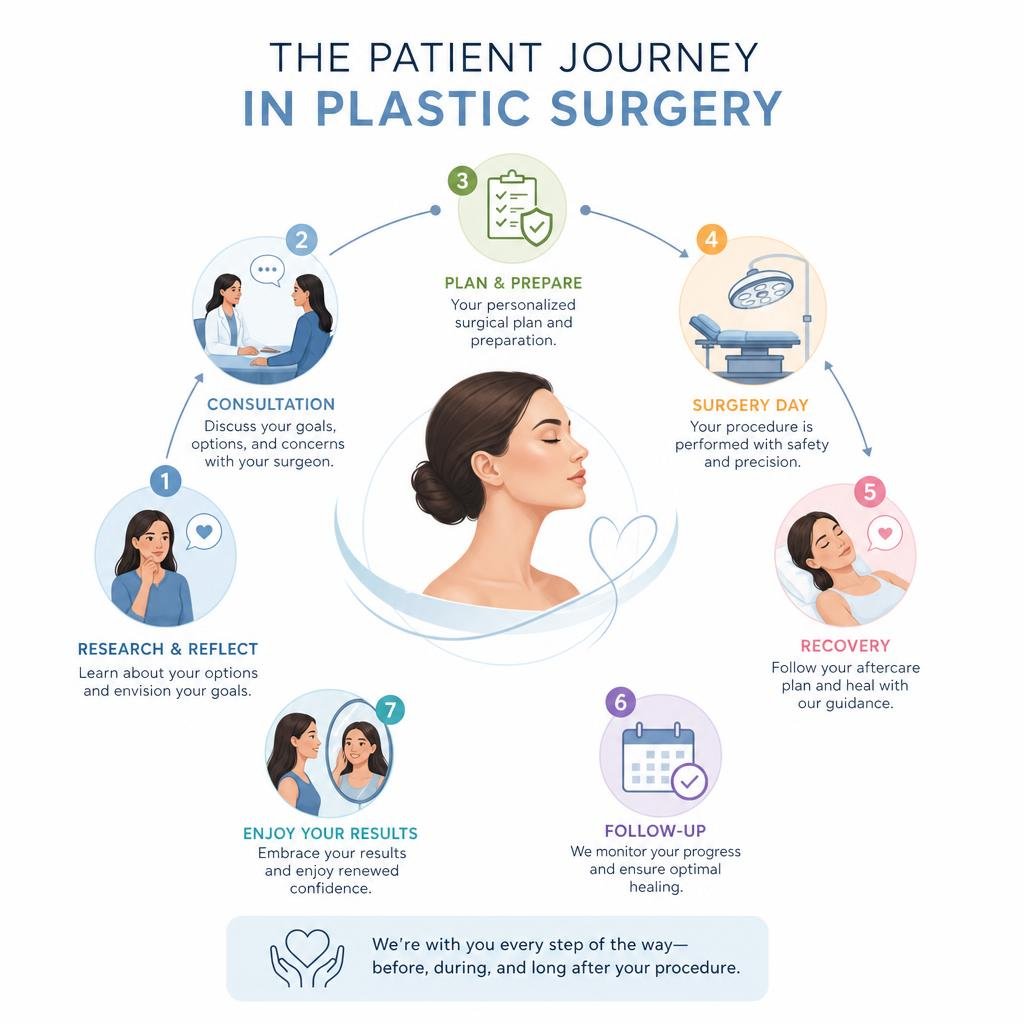
Embarking on a journey of cosmetic or reconstructive care involves several crucial considerations beyond the surgical procedure itself. Understanding insurance policies, preparing for recovery, and, most importantly, choosing the right surgeon are paramount for a successful outcome.
Insurance Coverage and Medical Necessity
One of the most significant differences between cosmetic and reconstructive procedures lies in insurance coverage.
- Reconstructive Surgery: These procedures are generally considered medically necessary and are often covered by health insurance. However, coverage is not automatic. It requires thorough documentation of medical necessity, which typically includes:
- Detailed Medical Records: Documenting the condition, its impact on function or health, and the need for surgical intervention.
- Letters of Support: From the surgeon and other treating physicians, explaining why the procedure is medically essential.
- Clinical Photos: To visually demonstrate the deformity or impairment.
- Pre-authorization: Many insurance companies require pre-authorization before the procedure can proceed, which involves reviewing the submitted documentation. For example, breast reconstruction after a mastectomy is widely covered, as it is deemed an integral part of cancer recovery. Similarly, breast reduction for severe back pain or hand surgery to restore function due to injury would typically qualify.
- Cosmetic Surgery: As elective procedures performed for aesthetic enhancement, cosmetic surgeries are generally not covered by health insurance. Patients are typically responsible for the full cost. It’s crucial for patients to clarify all financial aspects and payment plans with their surgeon’s office before committing to any cosmetic procedure.
Understanding your specific insurance policy and working closely with your surgeon’s administrative team to gather all necessary documentation is vital to navigate this process successfully.
Recovery Timelines and Risk Management
Recovery is an integral part of any surgical journey, and patients must have realistic expectations about the healing process and potential risks.
- Recovery Timelines: These vary significantly depending on the procedure’s complexity, the patient’s overall health, and individual healing rates.
- Minor Procedures: Non-surgical injectables or laser treatments may have minimal downtime, with patients returning to normal activities within hours or days.
- Moderate Procedures: Eyelid surgery or liposuction might require a few days to a week of recovery, with swelling and bruising gradually subsiding over several weeks.
- Major Procedures: Facelifts, abdominoplasty, or complex reconstructive surgeries can involve several weeks of initial recovery, with full results and complete healing taking several months to a year. Patients will typically experience different healing phases: initial acute recovery (pain, swelling, bruising), intermediate healing (gradual improvement, return to light activities), and long-term maturation (scar fading, final results).
- Risk Management: All surgical procedures carry inherent risks. While plastic surgeons take extensive precautions, potential complications can include:
- Infection: Managed with antibiotics and sterile techniques.
- Bleeding/Hematoma: Accumulation of blood under the skin.
- Adverse Reaction to Anesthesia: Rare but serious.
- Poor Wound Healing/Scarring: Individual variations in healing.
- Numbness or Nerve Damage: Often temporary, but can be permanent in rare cases.
- Asymmetry: Slight differences between sides of the body. Patients should have a thorough discussion with their surgeon about all potential risks, how they are mitigated, and what to do if a complication arises. Following post-operative care instructions meticulously is crucial for minimizing risks and optimizing healing.
Post-Operative Recovery Milestones:
- Day 1-3: Rest, pain management, swelling, bruising.
- Week 1-2: Gradual reduction in swelling, light activity, bandage/drain removal.
- Week 3-6: Return to most daily activities (avoid strenuous exercise), continued healing.
- Month 3-6: Significant reduction in swelling, scars begin to fade, initial results visible.
- Month 12+: Final results, scar maturation.
Choosing a Qualified Board-Certified Surgeon
Selecting the right surgeon is arguably the most critical step in the entire process. This decision directly impacts safety, outcomes, and overall patient experience.
- Board Certification: Always prioritize a surgeon who is board-certified by the American Board of Plastic Surgery (ABPS). This certification signifies that the surgeon has:
- Completed an accredited residency program specifically in plastic surgery.
- Passed rigorous oral and written examinations.
- Maintains ongoing education and adheres to strict ethical standards. The term “cosmetic surgeon” alone does not guarantee this level of specialized training. Many physicians from other specialties may offer cosmetic procedures with minimal formal training in plastic surgery.
- Experience and Specialization: Look for a surgeon with experience in the specific procedure you are considering. Some surgeons specialize in particular areas, such as breast reconstruction, facial surgery, or hand surgery.
- Hospital Privileges: Ensure the surgeon has privileges to perform the procedure at accredited hospitals. This indicates that their credentials and surgical skills have been vetted by a medical institution.
- Patient Reviews and Before-and-After Photos: While not the sole determinant, these can offer insights into a surgeon’s aesthetic style and patient satisfaction.
- Communication and Rapport: Choose a surgeon with whom you feel comfortable, who listens to your concerns, and who clearly explains the procedure, risks, and expected outcomes.
By thoroughly researching and vetting your surgeon, you are taking a proactive step towards a safe and successful outcome. Reputable plastic surgery practices emphasize transparency and patient education, guiding you through every stage of your journey.
Frequently Asked Questions
Patient education is a cornerstone of responsible medical practice. We aim to provide clear answers to common concerns, ensuring clinical clarity for all our patients.
What is the main difference between cosmetic and reconstructive procedures?
The fundamental distinction lies in their primary objective. Reconstructive procedures aim for functional restoration and to correct physical deformities that impair health or normal appearance. They are often medically necessary. Cosmetic procedures, conversely, focus on aesthetic enhancement of otherwise normal structures, driven by a patient’s desire for improved appearance.
Does health insurance cover reconstructive surgery?
Generally, yes, health insurance policies often cover reconstructive surgery when it is deemed medically necessary. This includes procedures to correct birth defects, repair injuries, or rebuild structures after cancer treatment (e.g., breast reconstruction). However, coverage requires thorough documentation from your surgeon demonstrating the medical necessity of the procedure. It’s crucial to check your specific policy guidelines and obtain pre-authorization from your insurance provider. Cosmetic procedures are typically not covered.
How do I choose the right plastic surgeon for my needs?
Choosing the right plastic surgeon is a critical decision. We recommend prioritizing board certification by the American Board of Plastic Surgery (ABPS). This ensures your surgeon has undergone extensive, specialized training and adheres to the highest standards of care. Additionally, consider the surgeon’s experience with your desired procedure, review their patient outcomes, and ensure you feel comfortable and confident in their communication and expertise. Don’t hesitate to ask about their hospital privileges and their approach to patient safety.
Conclusion
The journey through cosmetic and reconstructive care is a testament to the remarkable advancements in modern medicine. From restoring vital functions and correcting physical deformities to enhancing aesthetic appearance and boosting self-confidence, plastic surgery offers profound transformations. We’ve seen how these fields, though distinct in their primary goals, often intertwine, leveraging shared surgical principles and a commitment to patient-centered outcomes.
As we look to June 2026 and beyond, technological progress continues to redefine what’s possible. Innovations like 3D virtual planning, advanced microsurgery, and multidisciplinary team approaches are making procedures safer, more precise, and more effective than ever before. This era of personalized care empowers patients with more options and better results, whether they seek functional restoration or aesthetic refinement.
The goal of cosmetic and reconstructive care is to help individuals feel whole, healthy, and confident. By understanding the nuances of these procedures, navigating insurance and recovery, and, most importantly, choosing a qualified, board-certified surgeon, patients can embark on their journey with clarity and confidence, embracing the transformative potential of modern plastic surgery.