
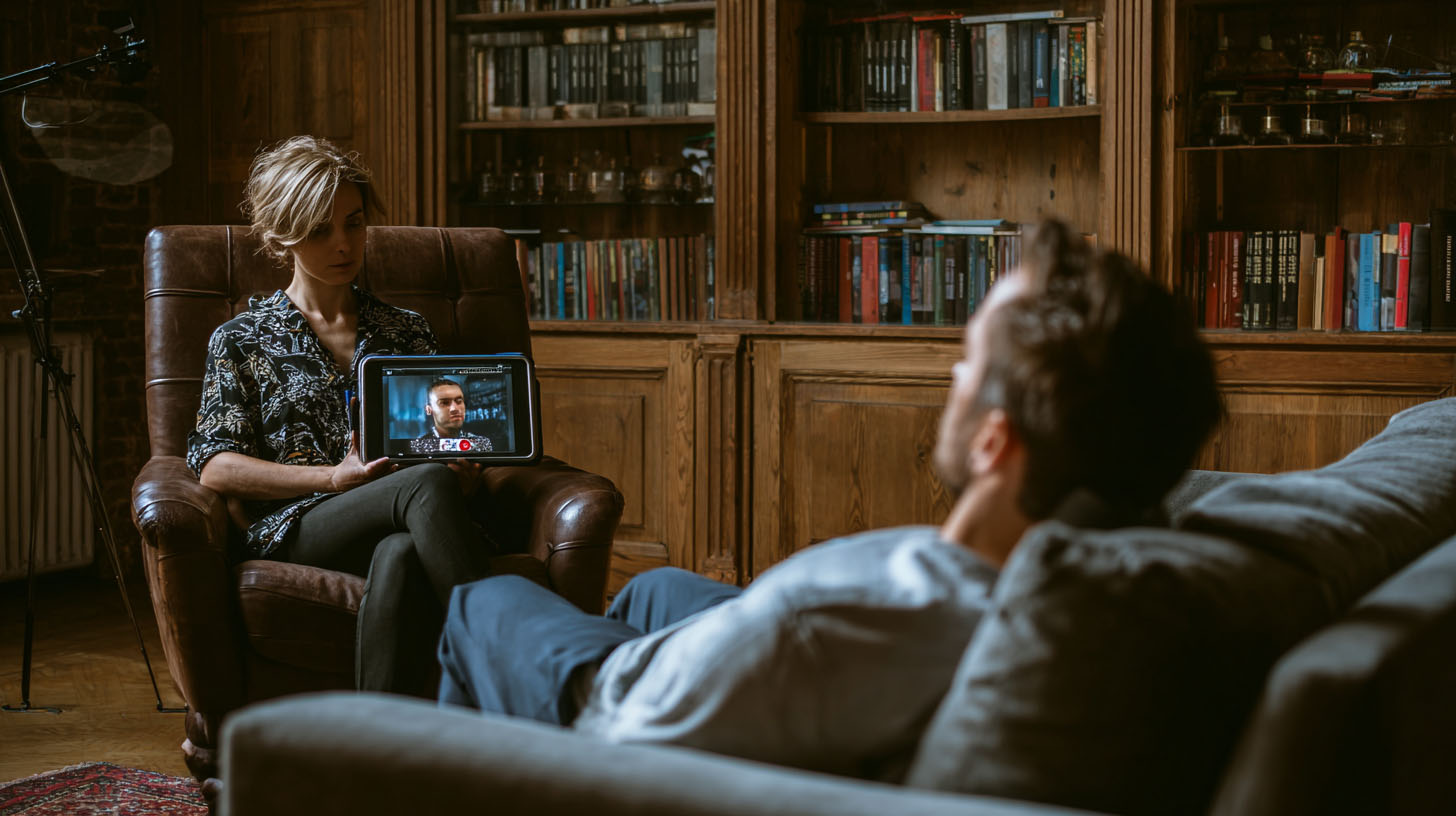
While telemedicine took off during the pandemic, the practice was not new, but rather an extension of the traditional specialist consult model as well as a return to doctors making house calls. Telemedicine works by having a two-way video call either between care professionals or between a medical professional and a patient. This is similar to having a specialist consult in a medical setting or having a “house call” in a home setting. After the end of the pandemic, many patients found this to be the new normal in medical treatment.
Some specialties work better than others in this format, and those that don’t require ongoing physical measurements typically are better suited for remote care. Psychiatry, which focuses on a talk therapy with a medication aspect, was found to be especially suited for telemedicine. Over 90% of NPs and doctors engaged in telepsychiatry, and this trend didn’t stop after the pandemic ended. The two most typical engagements were either a private practitioner working one on one or using a staffing company that works on a full service model such as FasPsych. Either method ensured that patients were able to quickly be seen, which is often a pitfall of referring to mental health providers, who can have long waiting times. This ability for counseling practice augmentation with psychiatry is the next step in the evolution of comprehensive mental health support.
Therapy is Key But Sometimes Not Enough
Running a counseling practice may seem to be a competitor to psychiatric treatment, but they’re both mental health services aiming to achieve the same goal, and as a result can work together when the counselor or therapist work with a psychiatrist or psychiatric nurse practitioner. Some advantages of these collaborations include:
- Holistic treatment – by combining medical treatment and therapy, the need for medication or therapy can be shortened or have better results. Psychotherapy is just as important as the medicine prescribed by clinicians in the journey to mental health.
- Improved diagnosis – when two medical professionals are able to work together with different areas of expertise in the same field, in this case mental health, the outcomes can be improved by looking at all symptoms. The assessments used by each specialty and combination of training can create a combination of knowledge that is beneficial for the patient.
- Faster treatment improvement – by seeing both the changes from medication usage and from therapy the appropriate mental health professional can make changes to increase results quickly, and medication management combined with therapists providing clinical care an be key.
- Unified care – by working together, mental health professionals can put together a united front, assuring the patient that the treatment plan is the best way to move forward. In cases of mood disorders, this united front can help a patient face their issues more directly.
Counseling practice augmentation creates the best results for patients in terms of outcomes with treatments being tailored more quickly and tools for improving mental health being implemented in a more responsive manner. Setting this up is not an easy task, and using it only temporarily can actually reduce the quality of treatment and benefits of this model, so if a therapist does not feel up to the task of setting this up and planning for future collaboration it’s a good step to look for a third party to assist.
The Chemical Imbalance Science of Psychiatry
While adding psychiatry to your counseling practice, it’s important to understand what the medical basis of psychiatry is and how it treats mental illness. While it augments traditional therapy and counseling, it’s also important to understand the basics, which are often misunderstood.
Psychiatry does not have a real time diagnostic test. It uses evidence based treatments from the DSM 5 based on known results. Various types of medications such as Selective Serotonin Reuptake Inhibitors (primarily for depression), benzodiazepines (primarily for anxiety), antipsychotics, GABA (anxiety), mood stabilizers, and other medications to treat symptoms based on research on how these have impacted other patients. It’s not an exact science and doesn’t have exact diagnosis, but recent brain imaging research has found ways to look at impacts of these medications in real time.
The Pitfalls of Referrals
The typical model of treatment between counselors or therapists and psychiatric professionals has been a referral. Unfortunately, with the growing shortage of psychiatrists, the waiting lists grow longer to see one, and those that are available often don’t take insurance. This psychiatric shortage will only grow as it’s a specialty that continues to become more short staffed. The delays and costs often lead to clients never seeing a psychiatrist.
Even in cases where psychiatrists are seen, there’s no guarantee of an exchange of information with the counselor or therapist. A release of information allows for the sharing of information, but it doesn’t guarantee it, and there’s no proactive step taken to make sure each knows the other is being seen or when the appointments are taking place. Notes from appointments are very rarely exchanged, and discussion of shared treatment plans is non existent.
Virtual care creates a team atmosphere dedicated to a wholistic intervention between physicians and therapists toward patient wellness. With less areas to “drop the ball” so to speak, both the therapist and the mental health medical professional can ensure a full treatment plan is met, and sessions with both providers are completed. This team atmosphere manages therapy and medication management.
Bridging the Gaps Through Telemedicine

Prior to modern technology, this gap between therapy and medical treatment may have seemed insurmountable. At best there would be faxes or voicemail tag and that would only occur when mental health professionals put in the effort. With modern technology and medical note practices the information sharing can be as simple as sending items through an electronic health record, and the treatment over telemedicine can take place in a therapists office, with the use of a cell phone or tablet ensuring both mental health professionals are discussing the same issues with the patient, and the use of HIPAA compliant video software ensures the same level of privacy with the in person provider as with the off site provider. Additionally, if needed, a provider to provider conversation can be had outside of meeting with the patient to create unified treatment plans.
Implementation of telemedicine through staffing groups such as FasPsych can ensure that support, licensing, prescribing, credentialing, and any state level regulations are met without the need for a high workload for either mental health professional, and full time support would be available. Alternatively, the therapist can find someone in private practice that would be able to work with them, but this can come with pitfalls if both aren’t familiar with the regulations around telemedicine. Either way the patient will come up with the improved outcomes that can only occur when collaboration occurs within the mental health treatment framework.


