
Introduction
Imagine staying active and enjoying every moment, free from the stiffness and discomfort that often comes with aging joints. For many, maintaining joint health is key to a vibrant life. But what happens when the smooth, protective cartilage in our joints starts to wear down?
Osteoarthritis, a common condition affecting millions worldwide, can make simple movements painful. It occurs when the slick cartilage covering bone ends wears away. This impairs smooth joint movement and reduces the natural shock-absorbing cushion.

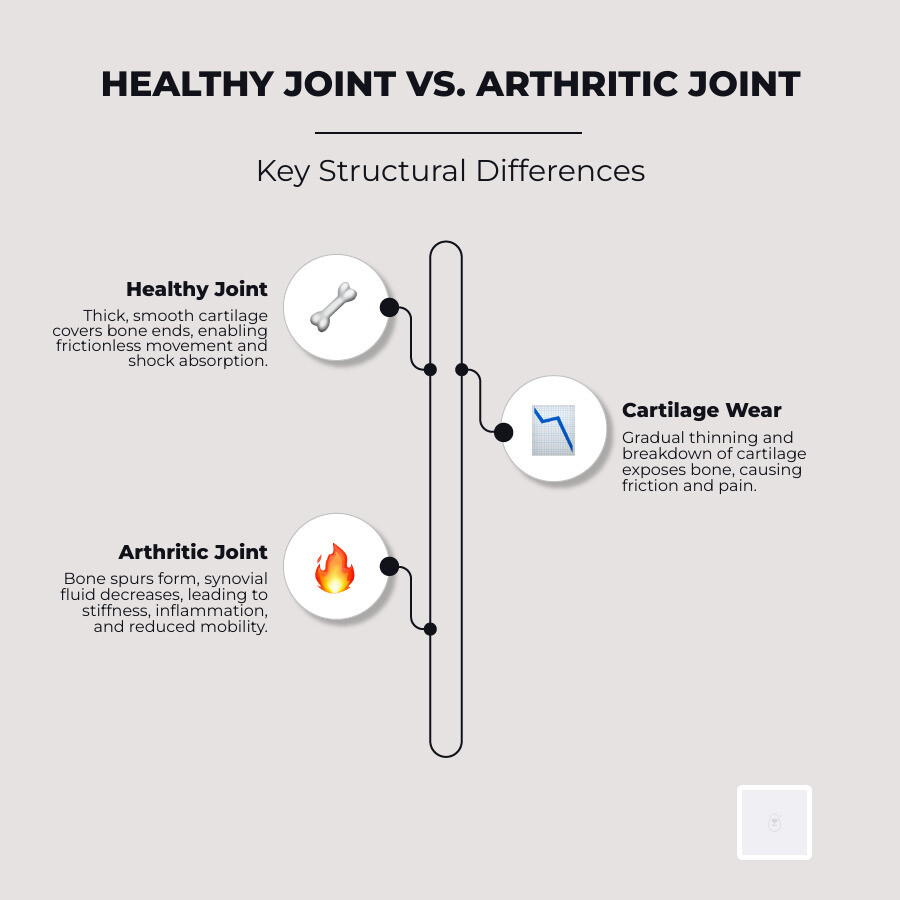
Understanding how to protect this vital cartilage is crucial. We constantly look for effective ways to support our joint health. This guide will explore the role of clinically proven supplements, particularly cartilage protecting glucosamine sulfate.
We will dive into the science behind how these supplements work. We’ll examine different forms, their proven benefits, and what the latest research tells us. Our goal is to provide you with clear, evidence-based information to help you make informed decisions about your joint care.
The Science of Cartilage Protection and Joint Health Supplements
At the heart of our joints lies cartilage, a remarkable tissue designed for smooth movement and shock absorption. This resilient material is primarily composed of specialized cells called chondrocytes, embedded within an extensive extracellular matrix. This matrix is a complex network of collagen fibers, providing tensile strength, and large molecules known as proteoglycans, which are rich in glycosaminoglycans (GAGs). These GAGs, like chondroitin sulfate and hyaluronic acid, attract water, giving cartilage its gel-like, cushioning properties.

Glucosamine, a naturally occurring amino sugar, is a fundamental building block of these vital GAGs and proteoglycans. It plays a critical role in maintaining the structural integrity of cartilage. Our bodies naturally produce glucosamine, but in conditions like osteoarthritis, this production can become insufficient to keep pace with cartilage breakdown. This is where supplementation with glucosamine sulfate comes into play.
Research suggests that glucosamine sulfate works through a “dual mechanism” to support joint health. Firstly, it provides the necessary raw material for chondrocytes to synthesize new proteoglycans and GAGs, promoting anabolic (building up) processes within the cartilage. This helps to reinforce the cartilage matrix, supporting its ability to absorb shock and facilitate smooth joint movement.
Secondly, glucosamine sulfate appears to exert chondroprotective effects by inhibiting catabolic (breaking down) processes. It has been shown to modulate the activity of enzymes that degrade cartilage, such as matrix metalloproteinases (MMPs), which are often overactive in arthritic joints. Furthermore, glucosamine sulfate can influence inflammatory pathways, including the NF-kB pathway, and reduce the production of pro-inflammatory cytokines like interleukin-1 (IL-1). By dampening this inflammatory cascade, it helps to create a more balanced environment within the joint, potentially slowing down cartilage destruction.
The scientific community recognizes the importance of high-quality, well-researched forms of glucosamine sulfate. For instance, specific formulations like crystalline glucosamine sulfate have undergone extensive clinical scrutiny, demonstrating consistent benefits. For those seeking a reputable and clinically studied option, learning more about Dona glucosamine sulfate can provide valuable insights into a product with a long history of research. This emphasis on quality and specific formulations is crucial, as not all glucosamine supplements are created equal, a point we will explore further. By supporting both the building and protective mechanisms, glucosamine sulfate offers a comprehensive approach to maintaining cartilage health.
Glucosamine Sulfate vs. Hydrochloride: Which Form Prevents Degeneration?
When considering glucosamine supplements, you’ll likely encounter two primary forms: glucosamine sulfate and glucosamine hydrochloride (HCl). While both are forms of glucosamine, their chemical structure, absorption, and clinical efficacy can differ significantly, leading to varied recommendations from health organizations and researchers.
The key distinction lies in the accompanying salt. Glucosamine sulfate provides the sulfate anion, which some researchers believe is crucial for its chondroprotective effects, as sulfate is also a component of cartilage. Glucosamine HCl, on the other hand, lacks this sulfate component.
Comparative Overview of Glucosamine Forms
Feature Glucosamine Sulfate Glucosamine Hydrochloride (HCl) Chemical Structure Glucosamine combined with a sulfate salt Glucosamine combined with a hydrochloride salt Sulfate Anion Present; potentially contributes to cartilage synthesis Absent Bioavailability Generally good, especially in stabilized forms Good Crystalline Stabilization Often stabilized (e.g., with NaCl) for purity/stability Less common; often sold as pure HCl Plasma Concentration Higher and more sustained with specific formulations Can be lower or less sustained than stabilized sulfate forms Synovial Fluid Levels Shown to reach therapeutic levels Less consistent evidence for reaching therapeutic levels Clinical Evidence Stronger for long-term structural benefits in OA Mixed; less consistent evidence for structural benefits Recommended Dosage Typically 1500 mg once daily Varies, often 1500 mg daily, but efficacy is debated EULAR Rating 1A (highest) for knee OA Not specifically recommended with the same strong evidence 
One of the most important aspects is the pharmacokinetics – how the body absorbs, distributes, metabolizes, and excretes the substance. Studies have shown that specific, stabilized forms of glucosamine sulfate, particularly crystalline glucosamine sulfate, achieve higher and more consistent plasma and synovial fluid concentrations when taken as a 1500 mg once-daily dose. This sustained presence in the joint fluid is believed to be essential for its therapeutic effects on cartilage. The stabilization process, often involving sodium chloride, helps maintain the integrity and bioavailability of the glucosamine sulfate molecule.
In contrast, while glucosamine HCl is also available, many clinical trials comparing it to placebo or other forms have yielded inconsistent or negative results regarding structural benefits. This discrepancy is a significant reason why major health organizations, particularly in Europe, distinguish between the forms. The European League Against Rheumatism (EULAR), for example, grants glucosamine sulfate the highest level of evidence (1A) for the management of knee osteoarthritis, a recommendation not extended to glucosamine HCl.
Therefore, when choosing a supplement with the aim of preventing cartilage degeneration, the scientific evidence strongly points towards selecting glucosamine sulfate, ideally a well-researched, stabilized crystalline formulation, taken at a consistent 1500 mg once-daily dosage. This choice aligns with the forms that have demonstrated the most robust clinical outcomes in long-term studies.
Long-Term Benefits: Reducing Surgery Risk and Joint Space Narrowing
Beyond simply alleviating symptoms, the most compelling evidence for glucosamine sulfate lies in its potential to offer “disease-modifying effects” in osteoarthritis. This means it may not just mask pain but could actually slow down the structural progression of the disease. This is a crucial distinction, as many conventional pain relievers only address symptoms without impacting the underlying joint degeneration.
A key indicator of osteoarthritis progression is Joint Space Narrowing (JSN), which is visible on radiographs and reflects the loss of cartilage. Multiple long-term clinical trials, some spanning three years, have investigated the impact of glucosamine sulfate on JSN. These studies consistently demonstrated that patients taking glucosamine sulfate experienced significantly less progressive narrowing of their joint space compared to those on placebo. This suggests that the supplement can help preserve cartilage structure over time, offering a tangible benefit in slowing the disease’s advancement.

Perhaps one of the most significant findings comes from a five-year follow-up study, which revealed a remarkable reduction in the risk of total knee replacement surgery. In this landmark research, the group taking glucosamine sulfate showed a 57% lower risk of needing a total knee replacement compared to the placebo group. Specifically, only 6.3% of patients in the glucosamine group required surgery, versus 14.5% in the placebo group (P=0.026). This statistic, published in respected medical journals, underscores the profound long-term impact that consistent glucosamine sulfate supplementation can have on the trajectory of osteoarthritis.
Furthermore, these structural benefits are often accompanied by improvements in symptoms and joint function. Patients taking glucosamine sulfate have reported significant enhancements in pain reduction and functional ability, as measured by validated scales such as the Western Ontario and McMaster Universities Osteoarthritis Index (WOMAC) and the Lequesne index. These improvements indicate better mobility, less stiffness, and a higher quality of life for individuals managing osteoarthritis.
It is important to emphasize that these long-term, structure-modifying benefits are typically observed with continuous, consistent use over several years. This is not a quick fix but rather a sustained therapeutic approach. The long-term safety data from these extensive trials also supports the favorable tolerability of glucosamine sulfate, making it a viable option for prolonged use in managing chronic osteoarthritis. The ability to potentially reduce the need for major surgery and preserve joint function over many years represents a significant advantage for individuals seeking to proactively manage their joint health.
Safety Profile and Considerations for Daily Use
When considering any supplement for long-term use, understanding its safety profile and potential interactions is paramount. Glucosamine sulfate is generally considered safe and well-tolerated by most individuals, with side effects typically being mild and transient.
Common side effects, if they occur, can include mild gastrointestinal upset such as nausea, heartburn, diarrhea, or constipation. These are often manageable by taking the supplement with food or adjusting the dosage.
However, there are several important considerations and potential interactions that warrant discussion with a healthcare professional before starting glucosamine sulfate:
- Shellfish Allergy: Many glucosamine supplements are derived from the exoskeletons of shellfish (e.g., shrimp, crab, lobster). While highly purified forms may contain minimal allergen, individuals with severe shellfish allergies should exercise caution. Non-shellfish derived (vegetarian) forms of glucosamine are available for those with this allergy. It’s crucial to check product labels carefully.
- Blood Thinners (Anticoagulants): Glucosamine sulfate may potentially enhance the effect of blood-thinning medications like warfarin (Coumadin). This could increase the risk of bleeding or bruising. If you are on blood thinners, close monitoring of your International Normalized Ratio (INR) by your doctor is essential, and dosage adjustments of your anticoagulant medication might be necessary.
- Diabetes: While early concerns suggested glucosamine might affect blood sugar levels, most recent research has largely refuted this. However, as a precaution, individuals with diabetes should monitor their blood glucose levels more closely when starting glucosamine sulfate, and discuss any changes with their doctor.
- Glaucoma: There have been isolated case reports suggesting that glucosamine might slightly increase intraocular pressure in some individuals with glaucoma. If you have glaucoma, it’s advisable to consult your ophthalmologist before taking glucosamine sulfate and monitor your eye pressure as recommended.
- FDA Regulatory Status and Product Quality: In the United States, glucosamine sulfate is classified as a dietary supplement, not a drug. This means it is not subject to the same rigorous pre-market approval process by the FDA as prescription medications. Consequently, product quality, purity, and label accuracy can vary significantly between brands. It is crucial to choose reputable manufacturers that adhere to good manufacturing practices (GMP) and ideally have third-party testing to verify ingredient content and purity.
Given these considerations, it is always recommended to consult with your doctor or pharmacist before starting any new supplement, especially if you have pre-existing medical conditions, are taking other medications, or have known allergies. Your healthcare provider can help determine if glucosamine sulfate is appropriate for you, advise on the correct dosage, and monitor for any potential interactions or side effects.
Frequently Asked Questions about Joint Health Supplements
We understand that navigating joint health supplements can raise many questions. Here, we address some of the most common inquiries to help you make informed decisions.
How long does it take to see results from joint health supplements?
One of the most frequent questions we encounter is about the timeline for experiencing benefits. Unlike over-the-counter pain relievers, which offer immediate but temporary symptomatic relief, joint health supplements like glucosamine sulfate work more gradually.
For symptomatic relief, such as reduced pain and stiffness, most individuals report noticing initial improvements within 2 to 4 weeks of consistent daily use. However, to experience the maximum benefits, including significant pain reduction and improved joint function, it often requires 8 to 12 weeks of continuous supplementation. These are not “quick-fix” solutions. The chondroprotective and anti-inflammatory mechanisms of glucosamine sulfate take time to exert their effects on cartilage metabolism. Consistency and long-term adherence to the recommended dosage are key to achieving and maintaining these benefits. If you’re looking for structural changes, such as slowing joint space narrowing, this requires even longer, typically years of continuous use, as demonstrated in long-term clinical trials.
Can joint health supplements regenerate lost cartilage?
The term “regenerate” suggests a complete regrowth of cartilage to its original, healthy state. While current science indicates that fully regenerating significantly lost cartilage in osteoarthritis is challenging, glucosamine sulfate can play a crucial role in structural preservation and supporting the body’s natural cartilage repair mechanisms.
Instead of full regeneration, the focus is on slowing the progression of cartilage degradation and protecting the existing cartilage. Glucosamine sulfate provides the building blocks for new cartilage components and helps to inhibit the enzymes that break down cartilage. This chondroprotection helps maintain the integrity of the cartilage matrix, potentially preventing further loss and allowing for some degree of repair or maintenance of existing tissue.
Early intervention with glucosamine sulfate in individuals with mild-to-moderate osteoarthritis is often emphasized because there is more existing cartilage to protect and support. While it may not “regrow” extensive areas of lost cartilage, it can significantly contribute to preserving what remains and improving the overall health and function of the joint.
Should I combine glucosamine with other nutrients?
Many individuals and some research suggest that combining glucosamine with other supplements can offer enhanced benefits, particularly for managing osteoarthritis symptoms and supporting overall joint health.
One of the most common combinations is with chondroitin sulfate. Both glucosamine and chondroitin are natural components of cartilage, and some studies, like the GAIT trial, have explored their combined efficacy. While results have been mixed across all subgroups, a subgroup with moderate-to-severe knee pain in the GAIT trial did show significant pain reduction with the combination. The theory is that they may work synergistically, with glucosamine providing building blocks and chondroitin contributing to cartilage elasticity and inhibiting degradative enzymes.
Another valuable addition can be omega-3 fatty acids. Omega-3s, particularly EPA and DHA, are well-known for their potent anti-inflammatory properties. Since inflammation plays a significant role in osteoarthritis pain and cartilage degradation, combining glucosamine sulfate with omega-3s can help to establish a better anti-inflammatory balance within the joint. This multi-pronged approach addresses both the structural and inflammatory aspects of joint health.
Beyond supplements, it’s crucial to integrate a holistic approach that includes weight management and exercise. Reducing excess body weight significantly lessens the mechanical stress on weight-bearing joints like the knees and hips. Regular, appropriate exercise, such as low-impact activities like swimming or cycling, helps to strengthen muscles supporting the joints, improve flexibility, and enhance the circulation of synovial fluid, which nourishes cartilage. Combining quality supplements with these lifestyle interventions offers the most comprehensive strategy for maintaining joint integrity and mobility.
Conclusion
Navigating the options for joint health can be complex, but the science behind cartilage protecting glucosamine sulfate offers a clear path for many seeking relief and long-term support. We’ve explored how this vital compound, particularly in its specific sulfate form, acts as a fundamental building block for cartilage and actively works to inhibit the processes that lead to its breakdown.
The evidence is compelling, showing that high-quality glucosamine sulfate can do more than just alleviate symptoms; it has demonstrated the potential for disease-modifying effects, including reducing joint space narrowing and significantly lowering the risk of total knee replacement surgery over time. This makes it a powerful tool in the proactive management of osteoarthritis.
As we’ve discussed, not all glucosamine supplements are created equal. The form, dosage, and quality of the product matter immensely, with crystalline glucosamine sulfate often showing superior efficacy in clinical trials. While generally safe, we’ve also highlighted important considerations regarding potential interactions and allergies, underscoring the need for informed supplementation.
Maintaining joint integrity and mobility is a journey that benefits from evidence-based choices. By understanding the science, opting for quality formulations, and integrating supplements into a broader health strategy that includes diet and exercise, we can empower ourselves to live more active and comfortable lives. Always remember to consult with your healthcare professional to determine if glucosamine sulfate is the right choice for your individual needs and to ensure it complements your overall health regimen.


