Understanding the Unique Challenges of Dementia

Senior isolation is a growing concern for many families. For older adults living with dementia, staying connected can be even more challenging. The cognitive and behavioral changes associated with dementia often lead to social withdrawal, making feelings of loneliness worse. This can have a profound impact on their health and overall well-being.
However, we believe there’s a powerful solution: personalized dementia care at home. This approach focuses on the individual’s unique needs, right where they feel most comfortable. It’s about much more than just basic assistance. It’s about creating meaningful connections and a sense of purpose.
In this extensive guide, we will explore the many benefits of this custom support. We will see how it helps reduce isolation, improve quality of life, and provide crucial support for the entire family. With thoughtful and compassionate dementia care, we can help our loved ones thrive.
Living with dementia presents a unique set of challenges that can significantly contribute to social isolation and loneliness among older adults. These challenges are not only complex for the individual experiencing them but also place immense pressure on their family and caregivers. Understanding these factors is the first step toward finding practical solutions.
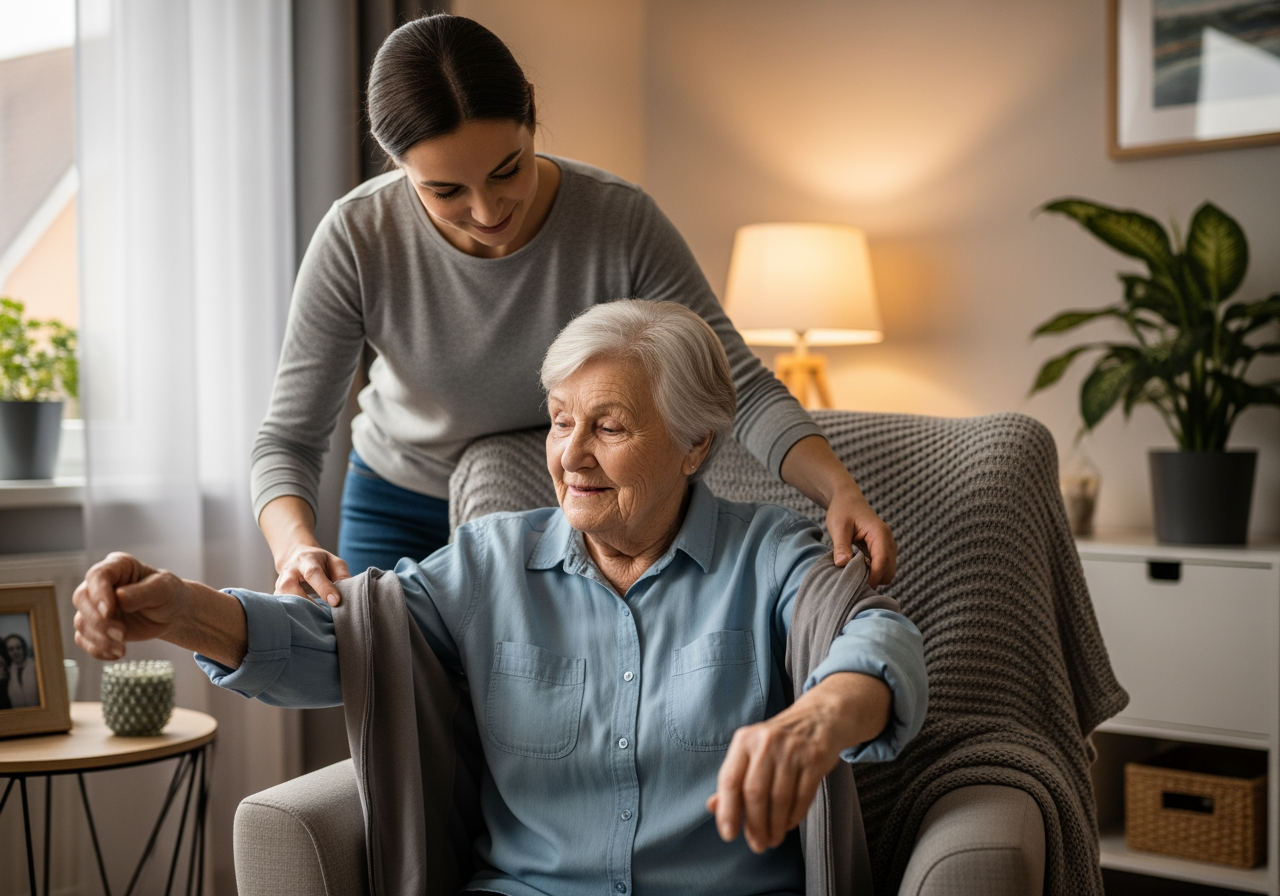
Cognitive Changes: Dementia primarily affects cognitive functions, including memory, thinking, problem-solving, and language. This can lead to:
- Memory Loss: Difficulty remembering recent events, conversations, or faces can make social interactions frustrating or confusing, leading to withdrawal.
- Disorientation: Losing track of time, place, or even identity can make participating in familiar activities or navigating new environments overwhelming.
- Difficulty with Problem-Solving: Simple tasks can become complex, impacting independence and the ability to plan or engage in social outings.
Behavioral Symptoms: As dementia progresses, individuals may exhibit a range of behavioral symptoms that further isolate them:
- Agitation or Aggression: Unpredictable outbursts can make others hesitant to interact, and the individual may feel distressed themselves.
- Wandering: A typical and dangerous symptom that requires constant supervision, limiting freedom of movement and access to community activities.
- Sundowning: Increased confusion and agitation in the late afternoon or evening can disrupt routines and make social engagement difficult during these hours.
Safety Concerns at Home: The cognitive decline associated with dementia often introduces significant safety risks within the home environment. Forgetting to turn off appliances, leaving doors open, or mismanaging medications can lead to dangerous situations. This necessitates increased supervision, which, while vital for safety, can inadvertently reduce opportunities for independent social interaction.
Risk of Wandering: The propensity for wandering is a significant concern for many families. This risk often means that individuals with dementia cannot be left unsupervised, severely limiting their ability to participate in community activities or even take a walk alone. This directly contributes to a sense of confinement and isolation.
Social Withdrawal: A direct and painful consequence of these cognitive and behavioral changes is social withdrawal. As communication becomes harder and familiar social cues are missed, individuals with dementia may pull away from friends and family. They might feel embarrassed, frustrated, or overwhelmed by social demands. This objective lack of social interaction is known as social isolation, and it often leads to the subjective and distressing feeling of loneliness. The World Health Organization emphasizes that social isolation and loneliness are prevalent among older adults, with up to one in three experiencing loneliness in certain regions [1].
Family Caregiver Stress: The immense emotional, physical, and financial burden on family members caring for a loved one with dementia cannot be overstated. Caregivers often sacrifice their own social lives, careers, and well-being to provide care. This can lead to a vicious cycle where the caregiver’s own social isolation and loneliness increase, further impacting the support they can provide. Studies show that family caregivers often feel isolated because they devote so much time to their loved ones that they lose touch with others or are unable to participate in regular activities.
The Impact on Daily Life and Family Dynamics
The ripple effects of dementia extend far beyond the individual, profoundly altering daily life and family dynamics.
Loss of Routine: Dementia disrupts the predictability of daily life, causing a loss of structure and stability. What was once a simple routine can become a source of confusion and anxiety. This loss of structure can be disorienting for the person with dementia and exhausting for caregivers trying to maintain some semblance of order.
Communication Difficulties: The ability to communicate effectively is fundamental to human connection. For individuals with dementia, finding the right words, understanding conversations, or expressing their needs can become incredibly challenging. This can lead to frustration for both the person with dementia and their loved ones, making meaningful interaction difficult and sometimes leading to misunderstandings.
Emotional Toll on Families: Families often experience a profound emotional toll, struggling with grief, sadness, anger, and guilt as they witness their loved one’s decline. The person they once knew changes, and navigating these shifts while providing care can be emotionally draining. This constant emotional strain can contribute to family members feeling overwhelmed, leading them to isolate themselves.
Increased Isolation: The challenges of dementia often lead to increased isolation for both the senior and their caregivers. Friends may pull away, social invitations may cease, and the effort required to maintain connections becomes too great. This can lead to the severe health consequences associated with social isolation and loneliness, which are comparable to well-established risk factors for mortality such as smoking and obesity [2].
Navigating Uncertainty: Dementia is a progressive disease, meaning its course is unpredictable and ever-changing. Families are constantly navigating uncertainty, adapting to new symptoms, and making difficult care decisions. This ongoing state of flux can be incredibly stressful and isolating, as there are few easy answers or clear paths forward.
The Core Benefits of Personalized Dementia Care at Home
Given the profound challenges posed by dementia, personalized care at home emerges as a powerful solution. This approach is designed to mitigate the difficulties discussed above, offering a custom environment that prioritizes comfort, safety, and individual well-being.
Familiar Surroundings: One of the most significant advantages of in-home care for individuals with dementia is the ability to remain in familiar surroundings. Their home is a place filled with memories, comfort, and a sense of predictability. This continuity helps to reduce confusion and anxiety, as they are not forced to adapt to a new environment, which can be particularly disorienting for someone with cognitive impairment. This stability is crucial for maintaining a sense of security and a feeling of belonging.
Reduced Confusion: By staying in an environment they know, individuals with dementia experience less confusion. The layout, objects, and even the smells of their home are familiar cues that can help ground them and reduce the likelihood of agitation or distress. This contrasts sharply with the challenges of adapting to new settings, which can exacerbate cognitive symptoms.
One-on-One Attention: Personalized care means one-on-one attention from a dedicated caregiver. Unlike institutional settings where caregivers may be responsible for multiple residents, in-home care ensures that all focus is on the individual’s specific needs, preferences, and daily rhythms. This allows for immediate response to needs, fosters a deeper connection, and creates a more responsive and empathetic care experience.
Consistent Routine: Establishing and maintaining a consistent daily routine is vital for individuals with dementia. It provides predictability, reduces anxiety, and can help manage behavioral symptoms. Personalized in-home care enables the creation and strict adherence to a routine tailored to the individual’s habits, sleep patterns, and preferences, promoting a sense of order and calm.
Compassionate dementia care: At its heart, effective dementia care is about more than just tasks; it’s about genuine human connection and empathy. Compassionate dementia care focuses on understanding the person behind the disease, respecting their past, and validating their feelings. This approach ensures that care is delivered with kindness, patience, and dignity, enhancing the individual’s emotional well-being and fostering trust.
Improved Safety Supervision: With personalized care, a trained caregiver provides constant and vigilant supervision within the home. This significantly improves safety by actively preventing falls, monitoring for wandering, and promptly addressing potential hazards. This level of dedicated oversight provides peace of mind for families, knowing their loved ones are safe in their own homes.
Creating a Safe and Stable Environment
A cornerstone of personalized dementia care at home is creating a safe and stable environment. This proactive approach addresses many of the challenges that can lead to isolation and distress for individuals with dementia.
Fall Prevention: Falls are a leading cause of injury among older adults, and the risk is significantly higher for those with dementia due to gait instability, cognitive impairment, and medication side effects. Professional caregivers are trained to identify and mitigate fall hazards in the home, such as removing tripping rugs, ensuring adequate lighting, and assisting with mobility. They can also implement exercises and strategies to improve balance and strength, contributing to overall safety.
Medication Reminders: Managing medications can become a complex and dangerous task for someone with dementia. Forgetting doses, taking too much, or mixing up prescriptions can have serious health consequences. Caregivers provide crucial medication reminders, ensuring that medications are taken correctly and on schedule, maintaining health, and preventing hospitalizations.
Wandering Prevention: While the risk of wandering is a significant concern, personalized care includes strategies to prevent it within the home. This can involve securing exits, using alarms, or engaging the individual in activities that reduce restlessness. More importantly, understanding the triggers for wandering and addressing underlying needs or anxieties can often prevent the urge to leave. This allows for a balance between safety and maintaining a sense of freedom within a secure environment.
Personalized Nutrition: Nutritional needs can change with dementia, and individuals may forget to eat, have difficulty preparing meals, or develop new food preferences. Caregivers can plan and prepare personalized, nutritious meals that cater to dietary restrictions, preferences, and ease of eating, ensuring adequate caloric and nutrient intake. This attention to nutrition supports physical health, energy levels, and overall well-being.
The Role of Professional Dementia Care: Beyond these specific tasks, professional dementia caregivers bring specialized training and expertise. They understand the nuances of the disease, how to manage challenging behaviors, and how to adapt care strategies as dementia progresses. Their presence provides not only practical assistance but also a stable, reassuring presence that promotes a sense of security and reduces anxiety for the individual with dementia and their family. This professional support is invaluable in maintaining a high quality of life at home.
Fostering Connection and Purpose Beyond Basic Tasks
While safety and stability are paramount, personalized dementia care truly excels in its ability to foster meaningful connection and purpose. This goes far beyond basic assistance, directly addressing the core issue of senior isolation and enhancing overall well-being.
Combating Loneliness: The subjective feeling of loneliness is excruciating and detrimental to health. Personalized care provides consistent companionship, a dedicated presence that actively listens and engages. This regular, one-on-one interaction helps to fill the emotional void that often accompanies dementia, directly combating the feelings of isolation. Organizations like Papa, for instance, highlight the power of human connection in reducing loneliness and improving health outcomes for seniors and their families.
Meaningful Engagement: Rather than merely occupying time, personalized care prioritizes meaningful engagement. This means activities that are custom to the individual’s remaining abilities, interests, and life history, providing a sense of accomplishment and joy. This active participation is key, as research indicates that interventions with the active involvement of older adults are more likely to be effective in reducing isolation and loneliness [3].
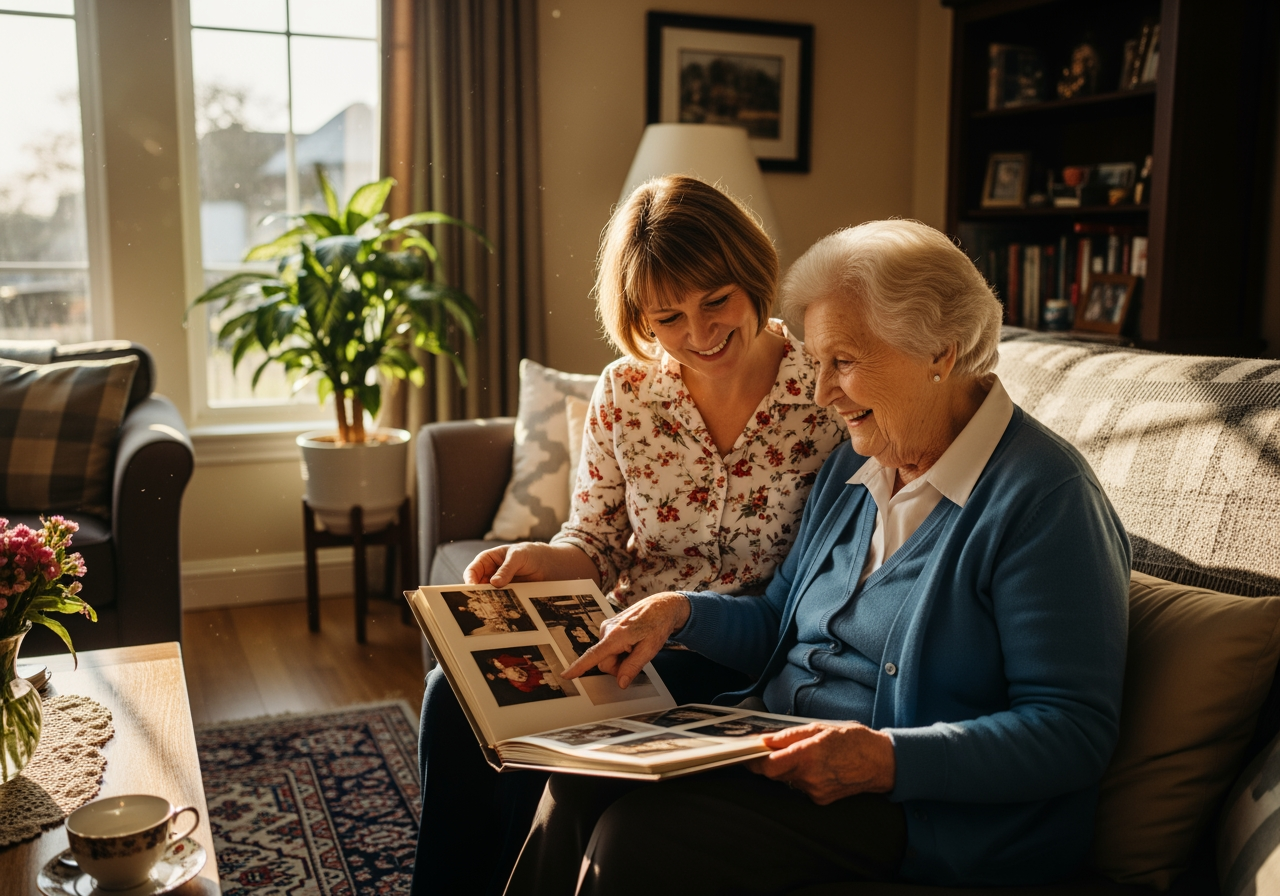
Reminiscence Therapy: This powerful technique involves discussing past events, experiences, and people using prompts like photographs, music, or familiar objects. Reminiscence therapy helps individuals with dementia tap into long-term memories, which often remain intact for more extended periods than short-term memories. This process validates their life experiences, boosts self-esteem, and provides a rich source of conversation and connection. My phone-based social support platform uses reminiscence methods with research-based story questions to facilitate discussions and reduce depression and loneliness [4].
Music and Art Activities: Music has a unique ability to bypass cognitive impairments, often evoking strong emotions and memories. Listening to favorite songs, singing along, or even gentle movement to music can be incredibly therapeutic. Similarly, art activities, from simple coloring to more involved crafts, offer a non-verbal outlet for expression and creativity, providing a sense of achievement and engagement.
Maintaining Hobbies: Wherever possible, personalized care helps individuals maintain their existing hobbies or discover new ones that are adapted to their current abilities. This continuity helps preserve their sense of self, provides a familiar source of enjoyment, and offers opportunities for continued engagement.
Simple, Engaging Activities for Seniors with Dementia:
- Looking at old photo albums: A classic and effective way to spark memories and conversation.
- Listening to favorite music: Create personalized playlists that evoke positive emotions.
- Simple gardening tasks, such as watering plants, potting herbs, or tending to a small patio garden, can be very calming and purposeful.
- Folding laundry or setting the table: These familiar, purposeful tasks can provide a sense of contribution and routine.
- Reading aloud: Even if comprehension is limited, the sound of a familiar voice and story can be comforting.
- Simple craft projects, such as coloring, painting, or working with clay, can provide creative expression without requiring complex instructions.
- Light exercise, such as gentle stretching or walking, can be beneficial when done with a companion, as it can improve both mood and physical health.
- Watching familiar movies or TV shows: Provides comfort and a shared experience.
How Custom Activities Improve Well-being in Dementia Care
The implementation of custom, engaging activities offers a multitude of benefits that profoundly impact the well-being of individuals with dementia:
Boosting Mood: Engaging in enjoyable and purposeful activities can significantly lift mood, reducing feelings of sadness, anxiety, and apathy. The positive emotions derived from these interactions contribute to a higher quality of life.
Reducing Agitation: Agitation and restlessness are common behavioral symptoms of dementia. Custom activities offer distraction, comfort, and a constructive outlet for energy, often resulting in a noticeable reduction in agitated behaviors. When individuals feel engaged and understood, they are less likely to express distress.
Encouraging Communication: Whether verbal or non-verbal, engaging activities create opportunities for communication. A shared laugh over an old photo, a hummed tune, or a gesture of appreciation for a craft project all serve as vital forms of connection, helping to bridge the communication gaps created by dementia.
Preserving Cognitive Function: While dementia is a progressive condition, mental stimulation through customized activities can help maintain existing cognitive functions for an extended period. Engaging the brain with puzzles, reminiscence, or learning new simple tasks can slow the rate of decline and maintain cognitive vitality.
Fostering a Sense of Purpose: Perhaps most importantly, these activities foster a sense of purpose and self-worth. Losing independence and cognitive abilities can strip away a person’s sense of identity. By engaging in activities where they can contribute, create, or enjoy themselves, individuals with dementia regain a valuable understanding of meaning in their daily lives, which is fundamental to their dignity and overall well-being.
Supporting the Entire Family Through Respite and Partnership
Personalized dementia care at home extends its benefits beyond the individual with dementia, offering crucial support to the entire family. Caregiving for a loved one with dementia is an incredibly demanding role, often leading to significant stress and isolation for family members.
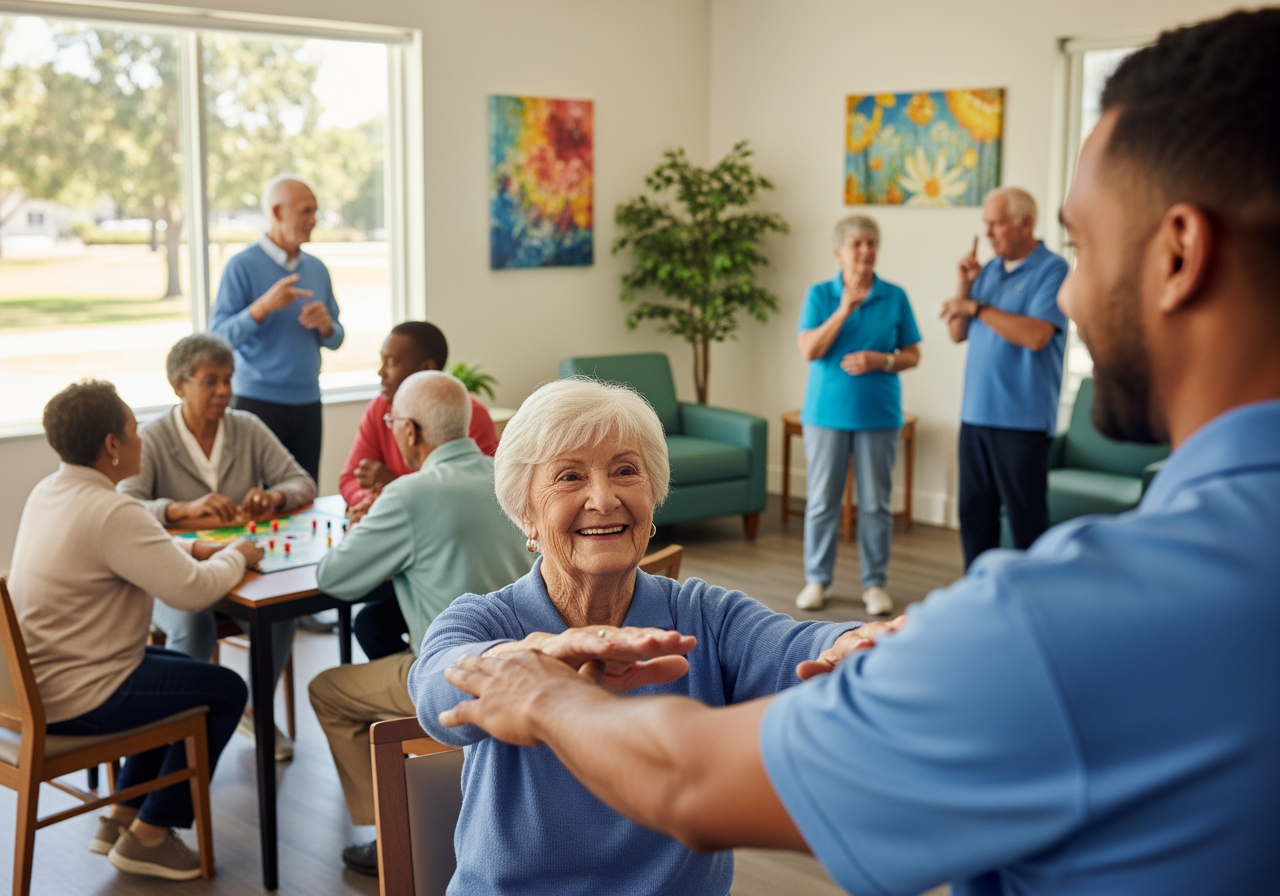
Preventing Caregiver Burnout: Family caregivers often dedicate countless hours to their loved one’s care, neglecting their own needs in the process. This relentless demand can lead to physical exhaustion, emotional depletion, and a state known as caregiver burnout. Professional in-home care steps in to share this burden, providing expert assistance and allowing family caregivers much-needed relief before they reach a breaking point. Organizations like the Family Caregiver Alliance offer extensive resources and support to help caregivers steer through these challenges.
Providing Respite Breaks: One of the most critical aspects of supporting family caregivers is offering regular respite breaks. These breaks allow caregivers to rest, recharge, attend to personal appointments, or engage in activities they enjoy. Even a few hours of professional care can make a significant difference, preventing the caregiver from becoming socially isolated themselves and helping them maintain their own health and well-being. The ARCH Respite Locator can help families find local respite services.
Emotional Support for Families: Navigating a loved one’s dementia journey is emotionally taxing. Professional caregivers not only provide practical care but can also offer emotional support and reassurance to families. They understand the complexities of the disease and can provide a compassionate ear, helping families process their feelings and cope with the changes they are experiencing.
Professional Guidance: Dementia care is a field that is constantly evolving. Professional caregivers bring up-to-date knowledge and best practices to the home. They can offer invaluable guidance on managing challenging behaviors, adapting the home environment, and understanding the progression of the disease. This expert advice empowers families to make informed decisions and feel more confident in their caregiving roles.
Restoring Family Roles: When a family member becomes a primary caregiver, the dynamics of the relationship often shift from that of a spouse/child to a caregiver. This can be emotionally challenging for everyone involved. By bringing in professional support, family members can step back from the full-time caregiving role, allowing them to reconnect with their loved one in a more natural, familial capacity. This restoration of family roles is vital for maintaining emotional bonds and enhancing the quality of family interactions.
The Importance of Respite for Family Caregivers
The concept of respite care is not a luxury but a necessity for family caregivers, particularly those caring for individuals with dementia. Its importance cannot be overstated for the long-term sustainability of care and the well-being of the entire family unit.
Reducing Stress: Caregiving is often described as a 24/7 job, with constant demands and responsibilities that can be overwhelming. This sustained pressure leads to chronic stress, which can manifest as anxiety, depression, and even physical health problems. Respite care provides a temporary break from these demands, allowing caregivers to de-stress and regain a sense of calm. The Caregiver Action Network emphasizes that caregivers rarely get the chance to rest, highlighting the critical need for these breaks.
Improving Health: Chronic stress and lack of rest can severely compromise a caregiver’s physical and mental health. Studies show that lonely or socially isolated adults, including caregivers, tend to be less healthy, have more extended hospital stays, and are more likely to die earlier than those with strong social connections [5]. Respite allows caregivers to prioritize their own doctor’s appointments, engage in physical activity, and get adequate sleep, all of which are essential for maintaining their health.
Allowing for Personal Time: Caregivers often lose their sense of self, as their identity becomes solely tied to their caregiving role. Respite provides an opportunity for personal time—time to pursue hobbies, socialize with friends, or enjoy moments of solitude. This individual time is crucial for maintaining individuality and preventing feelings of resentment or loss.
Strengthening Family Relationships: The immense strain of caregiving can sometimes lead to tension and conflict within families. Respite care can alleviate some of this pressure, allowing family members to interact in more positive ways. It can also provide opportunities for other family members to spend quality time with the person with dementia, fostering shared experiences and support.
Finding Balance: Respite care helps family caregivers find a healthier balance in their lives. It acknowledges that they are individuals with their own needs and that sustainable caregiving requires self-care. By ensuring caregivers are supported, we not only protect their well-being but also improve their capacity to provide loving and effective care for their loved ones over the long term.
A Final Thought on Dignity and Quality of Life
As we steer through the complexities of dementia, our ultimate goal remains constant: to ensure that individuals living with this condition experience the highest possible quality of life, marked by dignity and meaningful human connection.
Preserving Dignity: Dementia may erode cognitive abilities, but it never diminishes a person’s inherent worth or their right to be treated with respect and dignity. Personalized care focuses on understanding the individual’s history, preferences, and personality, ensuring that care is delivered in a way that honors who they are, rather than focusing solely on their limitations. This approach helps maintain their self-esteem and sense of value.
Focusing on the Person, Not the Disease: A key principle in modern dementia care is to shift the focus from the disease itself to the individual experiencing it. This person-centered approach recognizes that each person with dementia is unique, with their own life story, preferences, and remaining abilities. By tailoring care to these individual aspects, we foster an environment where they can continue to thrive, rather than being defined by their diagnosis.
Quality of Life: The quality of life for someone with dementia extends beyond physical comfort to encompass emotional well-being, social engagement, and a sense of purpose. Personalized in-home care, with its emphasis on familiar surroundings, consistent routines, and meaningful activities, is uniquely positioned to improve these aspects. It ensures that every day offers opportunities for joy, connection, and a feeling of being valued. The UN Decade of Healthy Ageing (2021–2030) highlights the global commitment to enhancing the lives of older adults, including those with dementia, by creating environments that promote their health and well-being [6].
Human Connection: At its core, the fight against senior isolation, especially for those with dementia, is about the fundamental human need for connection. High-quality social connections are crucial to our mental and physical health, as well as our overall well-being. Personalized dementia care provides this vital link, offering not just assistance but genuine companionship, empathy, and understanding. It creates a space where individuals can feel seen, heard, and loved.
Hope and Support for the Journey Ahead: While dementia presents significant challenges, personalized care at home offers a guide of hope. It provides a framework for managing the disease with compassion, maintaining dignity, and fostering meaningful connections. For families, it provides invaluable support, reducing their burden and allowing them to cherish their loved one while ensuring they receive the best possible care. With dedicated and personalized support, we can steer this journey together, focusing on enriching the lives of those living with dementia every step of the way.
References:
[1] World Health Organization. (n.d.). Reducing social isolation and loneliness among older people.
[2] Holt-Lunstad, J., Smith, T. B., Baker, M., Harris, T., & Stephenson, D. (2015). Loneliness and social isolation as risk factors for mortality: A meta-analytic review. Perspectives on Psychological Science, 10(2), 227-237.
[3] National Academies of Sciences, Engineering, and Medicine. (2020). Social Isolation and Loneliness in Older Adults: Opportunities for the Health Care System. The National Academies Press.
[4] LifeBio. (n.d.). Hello.
[5] National Institute on Aging. (n.d.). Loneliness and Social Isolation — Tips for Staying Connected.
[6] World Health Organization. (n.d.). UN Decade of Healthy Ageing Knowledge Exchange Platform.