Understanding the Model: Primary Care vs. Specialized Healthcare Clinics
 Healthcare is changing. For a long time, it often felt like a general approach to our well-being. But today, we are seeing a clear shift. Patients want more control and care that truly fits their unique needs. This is the heart of patient empowerment and personalized medicine.
(Imagine a compassionate specialist consulting with a patient in a modern clinic setting here.)
This evolution has brought specialized healthcare clinics to the forefront. These clinics focus on specific medical areas or conditions. They offer deep expertise and advanced treatments. This is different from the broader care we get from our primary doctors.
In this extensive guide, we will explore specialized healthcare clinics. We will define what they are and how they differ from primary care. We will look at the many services they offer, from heart care to oncology, and even dedicated facilities for Specialized women’s health. We will also discuss the benefits they bring, how to find the right clinic, and the future trends shaping this vital field. Our goal is to help you understand how these clinics are changing patient experiences for the better.
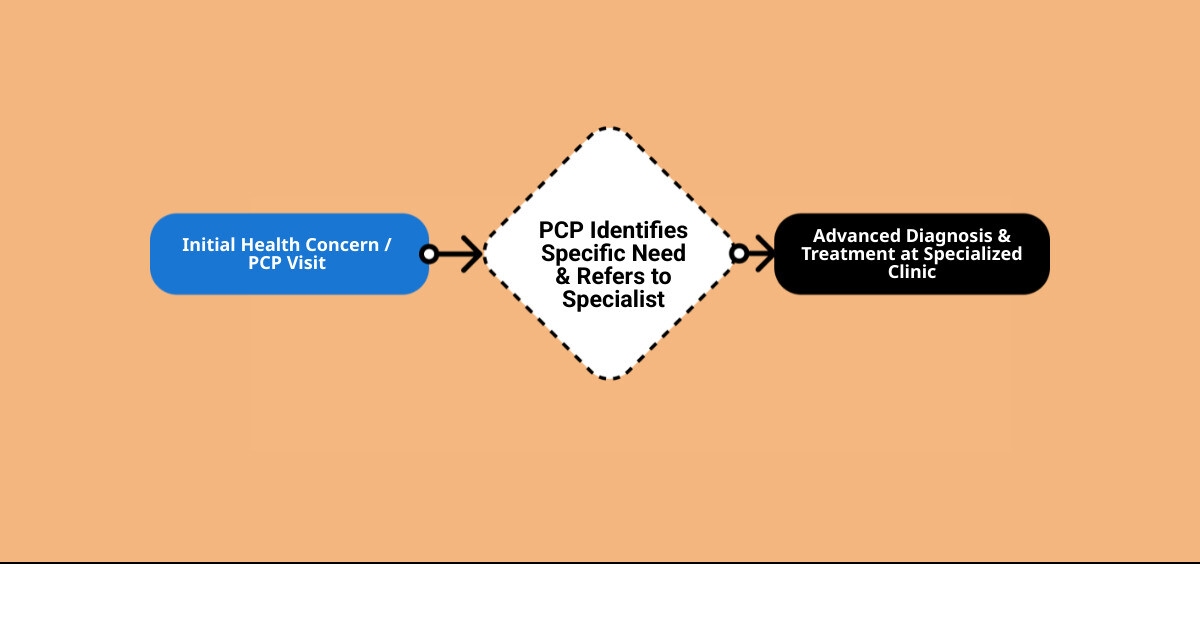
To truly appreciate the value of specialized healthcare clinics, first understand their role within the broader healthcare ecosystem, particularly in contrast to primary care.
Primary care providers serve as the cornerstone of our health. These include general practitioners, family doctors, internists, pediatricians, nurse practitioners, and physician assistants. Their role is expansive, covering a range of prevention, wellness, and treatment for common illnesses. They are often our first point of contact for health concerns, maintaining long-term relationships with patients and providing continuous, comprehensive care. They manage routine check-ups, vaccinations, minor injuries, and chronic conditions like high blood pressure or diabetes, acting as a vital hub for our overall health journey. For a deeper dive into the role of these essential healthcare professionals, you can find more information on primary care providers.
Specialty care, on the other hand, is an area of healthcare focused on a specific medical field or particular types of symptoms and conditions. When a health issue goes beyond the scope of general practice, or requires advanced diagnostics and treatments, a primary care provider will typically refer a patient to a specialist. Specialty care providers address both chronic (ongoing) conditions like heart disease and osteoporosis, as well as acute (sudden) conditions like a heart attack or a broken bone. These clinics offer focused expertise, advanced technology, and often a multidisciplinary team approach to tackle complex health challenges.
The Core Function of Specialized Healthcare Clinics
Specialized healthcare clinics are designed to provide in-depth, expert care for specific medical needs. They are characterized by:
- Focused Expertise: Unlike primary care, which covers a wide range of health issues, specialty clinics concentrate on a narrow field. This allows their practitioners to develop profound knowledge and skills in their chosen area.
- Diagnosis and Treatment of Complex Issues: These clinics are equipped to handle intricate medical conditions that require advanced diagnostic tools, specialized procedures, and highly specific treatment protocols.
- “Center of Excellence” Concept: Many specialized clinics operate as “Centers of Excellence,” a designation often given to healthcare facilities that demonstrate a consistently high level of quality in a particular area of medicine. These centers combine skilled, experienced specialists with the most advanced technology to offer superior care. For more on this model, refer to Centers of Excellence.
- Integrated Services: While focused, many specialized clinics adopt an integrated approach, bringing together various experts and services under one roof. For instance, a cancer center might include oncologists, radiologists, surgeons, nutritionists, and psychologists, all collaborating on a patient’s care plan.
Differentiating the Approach
The distinction between primary care and specialty care is fundamental to understanding how patients steer the healthcare system. While both are crucial, their scope, patient relationships, and primary goals differ significantly.
Feature Primary Care Clinics Specialty Care Clinics Scope Broad, general health, common illnesses Narrow, specific condition, body system, or age group Patient Relation Long-term, continuous, holistic Episodic, for a specific issue or condition Goal Prevention, wellness, managing common illnesses Diagnosis, advanced treatment, managing complex conditions Access First point of contact, gatekeeper for specialists Usually by referral, direct access for some specialties Expertise General medical knowledge, broad health overview Deep, focused expertise in a specific medical field Technology Standard diagnostic tools, routine procedures Advanced diagnostics, specialized equipment, complex procedures A Spectrum of Expertise: Common Types of Specialty Clinics
Specialized healthcare clinics cover an incredibly vast array of medical fields, addressing everything from chronic conditions to acute needs. These clinics are designed to provide highly focused care, leveraging deep expertise and advanced technologies for optimal patient outcomes.

Medical and Surgical Specialties
The landscape of medical and surgical specialties is diverse, with clinics dedicated to virtually every organ system and disease category. Some of the most common include:
- Cardiology: Focusing on the heart and blood vessels, treating conditions like heart disease, hypertension, and arrhythmias.
- Oncology: Dedicated to the diagnosis and treatment of cancer, often involving a multidisciplinary team for comprehensive care.
- Neurology: Specializing in disorders of the brain, spinal cord, and nervous system, such as stroke, epilepsy, and Parkinson’s disease.
- Orthopedics: Dealing with musculoskeletal system issues, including bones, joints, ligaments, tendons, and muscles, often providing surgical and non-surgical solutions for injuries and degenerative conditions.
- Gastroenterology: Concentrating on the digestive system, treating conditions affecting the esophagus, stomach, intestines, liver, and pancreas.
- Dermatology: Focusing on skin, hair, and nail conditions, from acne and eczema to skin cancer.
- Nephrology: Specializing in kidney diseases and their treatment, including dialysis and kidney transplantation.
Beyond these, numerous surgical specialties operate within dedicated clinics or hospital departments. These include:
- Cardiovascular Surgery: Procedures on the heart and major blood vessels.
- Neurosurgery: Surgical treatment of nervous system disorders.
- Minimally Invasive Surgery: Utilizing advanced techniques to perform surgery through smaller incisions, leading to faster recovery times and reduced pain. This approach is increasingly prevalent across many surgical disciplines, including gynecology, urology, and general surgery.
- Ophthalmology: Eye surgery.
- Otolaryngology (ENT): Ear, nose, and throat surgery.
Clinics for Specific Populations and Needs
Beyond organ-specific specialties, many clinics cater to particular demographics or unique health requirements:
- Pediatrics: Focused on the health and medical care of infants, children, and adolescents.
- Geriatrics: Specializing in the healthcare of elderly people, addressing age-related diseases and complex health needs.
- Women’s Health: Comprehensive centers that address the unique health needs of women across their lifespan, from adolescent gynecology to menopause management, reproductive health, and beyond. These clinics often provide integrated care, recognizing the interconnectedness of physical, mental, and emotional well-being. A prime example is a facility dedicated to Specialized women’s health that offers a holistic approach to care.
- Mental Health Services: Clinics providing psychiatric care, therapy, and counseling for various mental health conditions, from anxiety and depression to more complex disorders. These can be general or highly specialized, such as an Expat mental health clinic that understands the unique psychological challenges faced by individuals living abroad.
- Sports Medicine: Focused on preventing, diagnosing, and treating injuries related to sports and exercise. These clinics often involve a team of orthopedic surgeons, physical therapists, and athletic trainers.
- Physical Rehabilitation: Clinics dedicated to helping patients recover from injuries, surgeries, or chronic conditions through physical therapy, occupational therapy, and other rehabilitative services. A patient might seek out a specialized Boutique DPT clinic for highly personalized and intensive physical therapy programs.
Innovations in Sexual Wellness and Regenerative Medicine
A rapidly evolving area of specialized care is sexual wellness and regenerative medicine, which focuses on improving quality of life through advanced, often non-invasive, treatments.

- Men’s Health: Clinics often address common concerns such as erectile dysfunction (ED), low testosterone (hypogonadism), and prostate health. Treatments for ED have seen significant advancements, including oral medications, injections, and innovative therapies like shockwave therapy.
- Women’s Sexual Health: This area encompasses treatments for conditions like vaginal dryness, painful intercourse, urinary incontinence, and female sexual dysfunction, often utilizing laser therapies or hormone treatments.
- Regenerative Medicine: This cutting-edge field uses the body’s natural healing mechanisms to repair damaged tissues. In sexual wellness, this can include:
- The REGENmax protocol: A comprehensive approach often combining various regenerative therapies.
- REGENwave® shockwave therapy: A non-invasive treatment that uses low-intensity sound waves to improve blood flow and nerve function, particularly effective for ED.
- REGENlase® laser treatment: Used for vaginal rejuvenation and improving tissue health.
- HEshot® with tissue regenerative fluid: Injections using platelet-rich plasma (PRP) or other regenerative fluids to stimulate tissue repair and improve function.
- Hormone Replacement Therapy (HRT): For both men and women, HRT addresses hormonal imbalances that can impact sexual function, energy levels, mood, and overall well-being. This can involve bioidentical hormones custom to individual needs.
These specialized clinics represent the forefront of personalized care, offering targeted solutions that significantly improve patients’ lives.
The Patient Advantage: Why Choose a Specialty Clinic?
Choosing a specialized healthcare clinic offers distinct advantages that can profoundly impact a patient’s health journey and outcomes. When facing a complex or persistent health issue, the focused expertise and advanced resources of a specialty clinic can make all the difference.

Expert Diagnosis and Advanced Treatments
One of the primary benefits is access to expert diagnosis. Specialists have dedicated years to mastering a particular field, allowing them to identify subtle indicators that might be missed in a more general setting. This precision in diagnosis is critical, especially for rare or complex conditions where early and accurate identification can significantly alter the course of treatment.
Following diagnosis, patients gain access to advanced treatments that may not be available in primary care settings. These can include cutting-edge surgical techniques, specialized medications, innovative therapies, and participation in clinical trials for new treatments. For example, a patient with a rare neurological disorder would benefit immensely from a neurologist who specializes in that specific condition and has access to the latest research and therapeutic options.
Specialty clinics excel at developing custom care plans. Because their focus is narrow, they can tailor treatment strategies to the individual’s unique presentation of a condition, considering all relevant factors. This personalized approach often leads to more effective management of chronic diseases like diabetes or heart disease, where a specialist can fine-tune medications, recommend specific lifestyle interventions, and monitor progress with greater precision.
The Power of Coordinated Care
While specialists offer deep expertise, their effectiveness is greatly improved when they work in tandem with primary care providers. This collaboration is known as coordinated care, and it is paramount for optimal patient outcomes. Coordinated care ensures seamless communication between all healthcare providers involved in a patient’s treatment.
When a primary care provider and a specialist communicate effectively, it leads to:
- Reduced Medical Errors: All providers are aware of the patient’s full medical history, current medications, and ongoing treatments, minimizing the risk of conflicting advice or adverse drug interactions.
- Better Health Outcomes: Integrated care plans mean that all aspects of a patient’s health are considered. For instance, a patient with diabetes whose primary care provider and endocrinologist coordinate their efforts will likely see better blood sugar control and fewer complications. This holistic approach ensures that treatments work together harmoniously. You can learn more about the importance of care coordination in improving patient health.
- Shared Decision-Making: Patients are empowered when their care team collaborates. They receive consistent information and can participate more fully in decisions about their treatment, leading to greater satisfaction and adherence to care plans.
How Specialized Healthcare Clinics Improve the Patient Experience
Beyond clinical outcomes, specialized clinics often improve the overall patient experience through several key aspects:
- Focused Environment: The entire clinic environment, from staff training to facility design, is geared towards a specific patient population or condition. This can create a more comfortable and understanding atmosphere for patients dealing with sensitive or complex issues.
- Staff Expertise: The administrative and support staff in specialty clinics are often highly knowledgeable about the specific conditions treated, making appointment scheduling, insurance navigation, and patient education more streamlined and empathetic.
- Patient Education: Specialists are often at the forefront of patient education, providing detailed information about conditions, treatment options, and self-management strategies. This empowers patients to take an active role in their health.
- Access to Clinical Trials: For patients with challenging or rare conditions, specialty clinics, especially those affiliated with research institutions, can offer access to cutting-edge clinical trials, providing hope and new treatment avenues.
- Shorter Wait Times for Specific Procedures: While general specialist referrals might have wait lists, highly specialized clinics often streamline access to specific diagnostic tests or procedures, reducing anxiety and allowing for quicker intervention.
Specialized healthcare clinics provide a critical layer of expertise and advanced care, and when integrated effectively with primary care, they pave the way for a truly personalized and effective patient experience.
Accessing Specialized Care in the Modern Era
Finding the right specialized healthcare clinic can sometimes feel daunting, but modern resources and technological advancements have made the process more accessible than ever. Navigating physician referrals, understanding insurance networks, and leveraging digital tools are key steps for patients seeking expert care.

Traditionally, physician referrals from a primary care provider (PCP) have been the primary pathway to specialty care. Your PCP, having a comprehensive understanding of your health history, can recommend the most appropriate specialist for your condition. This ensures that you are directed to the right expert and that your care remains coordinated. However, many insurance plans also allow for direct access to certain specialists without a referral, so it’s always wise to check your specific policy.
Understanding insurance networks is crucial. Most insurance plans have a network of preferred providers and facilities. Opting for an in-network specialist can significantly reduce out-of-pocket costs. Patients should verify their insurance coverage with both their plan provider and the specialty clinic directly before scheduling appointments.
Patient advocacy also plays a vital role. Patients or their family members can actively research specialists, ask their PCP for multiple recommendations, and seek second opinions. Being an informed advocate ensures that you receive care that aligns with your preferences and needs.
Finding the Right Clinic for You
With the proliferation of specialized clinics, finding one that perfectly meets your needs requires a systematic approach:
- Health System Directories: Large hospital systems often have online directories listing their affiliated specialists and clinics. These directories can be filtered by specialty, location, and even specific conditions treated.
- Government Resources: Organizations like the Health Resources and Services Administration (HRSA) provide tools to locate healthcare facilities. For instance, you can use HRSA’s “Find a Health Center” tool to locate community-based health centers that may offer specialized services or referrals.
- Patient Reviews and Testimonials: Online platforms and patient review sites can offer insights into other patients’ experiences with specific clinics and specialists. While subjective, these can provide a general sense of patient satisfaction and the clinic’s environment.
- Checking Credentials: Always verify the credentials of specialists, including their board certifications, experience, and any sub-specialties.
- Asking for a Consultation: Some clinics offer initial consultations, which can be an excellent opportunity to meet the specialist, discuss your case, and assess if the clinic is a good fit before committing to a full treatment plan.
The Role of Technology and Telehealth
Technology has revolutionized access to specialized care, breaking down geographical barriers and enhancing convenience.
- Virtual Consultations: Telehealth platforms allow patients to have virtual appointments with specialists from the comfort of their homes. This is particularly beneficial for follow-up appointments, medication management, or for patients living in remote areas where specialists are scarce.
- eVisits: Many healthcare systems now offer eVisits, which are online questionnaires or secure messaging platforms where patients can receive medical advice or even prescriptions for certain conditions without a live virtual or in-person appointment. For example, the LA Health Portal allows patients to access care 7 days a week through eVisits with no appointment needed.
- Remote Monitoring: Wearable devices and connected health tools enable specialists to remotely monitor patients’ vital signs, glucose levels, heart rhythms, and other health data. This continuous oversight allows for proactive interventions and personalized adjustments to care plans.
- Increased Access for Rural or Underserved Communities: Telehealth significantly expands access to specialized care for populations that traditionally face barriers due to distance, transportation issues, or limited local resources.
- Digital Patient Portals: These secure online platforms allow patients to access their medical records, schedule appointments, communicate with their care team, view test results, and manage prescriptions, streamlining the administrative aspects of care.
Technology and telehealth are not just conveniences; they are integral to modern specialty care, ensuring that expert medical attention is more readily available and efficiently delivered to those who need it most.
The Future of Specialty Care: Challenges and Innovations
The field of specialized healthcare is dynamic, constantly evolving to meet the complex needs of patients. As we look ahead, we anticipate continued innovation alongside persistent challenges that will shape its trajectory.
Addressing Challenges in the Field
Despite the many advantages, specialized care faces several problems:
- Cost of Specialized Treatment: Specialized diagnostics, procedures, and medications often come with a higher price tag. This can create significant financial burdens for patients, even with insurance, and contributes to the overall rising cost of healthcare.
- Health Equity: Ensuring equitable access to specialized care remains a critical challenge. Disparities exist based on socioeconomic status, geographic location (especially rural vs. urban), race, and ethnicity. Underserved communities often struggle to access the specialized services they need, leading to poorer health outcomes.
- Workforce Shortages: Many specialties face shortages of qualified professionals, including physicians, nurses, and allied health staff. This can lead to longer wait times for appointments and limits the capacity of clinics to serve all patients in need.
- Data Interoperability Between Providers: While digital patient portals are improving, seamless data sharing between different healthcare systems, primary care providers, and specialists can still be a challenge. Lack of interoperability can hinder coordinated care and lead to inefficiencies or even medical errors.
- Navigating Complex Insurance: The intricacies of insurance plans, referrals, prior authorizations, and billing for specialized services can be overwhelming for patients, creating administrative problems to accessing necessary care.
Innovations and Future Trends
Despite these challenges, the future of specialty care is bright with promising innovations:
- Value-Based Care Models: There’s a growing shift from fee-for-service to value-based care, where providers are reimbursed based on patient outcomes rather than the volume of services. This encourages integrated, patient-centered care and better coordination between primary care and specialists. The CMS Innovation Center is actively working on strategies to support person-centered, value-based specialty care, aiming to improve quality and reduce costs.
- Integrated Healthcare Systems: We are seeing more healthcare systems consolidating or forming partnerships to create comprehensive networks that offer both primary and specialized care under one umbrella. This facilitates smoother referrals, better data sharing, and a more cohesive patient experience.
- Artificial Intelligence (AI) in Diagnostics and Treatment: AI is ready to revolutionize specialty care by assisting in earlier and more accurate diagnoses (e.g., analyzing medical images), personalizing treatment plans, predicting disease progression, and even aiding in drug findy.
- Personalized Medicine Advancements: Building on genomic research, personalized medicine will become even more refined, tailoring treatments based on an individual’s genetic makeup, lifestyle, and environment. This will lead to highly targeted therapies, particularly in fields like oncology and rare diseases.
- Hyper-Specialization: As medical knowledge expands, we may see even greater sub-specialization within existing fields, leading to clinics focused on extremely niche conditions or procedures.
- Advanced Telemedicine and Remote Monitoring: Telehealth will continue to evolve, incorporating more sophisticated remote diagnostic tools, virtual reality for therapy, and AI-powered remote monitoring to provide continuous, proactive care.

These trends suggest a future where specialized care is not only more effective and precise but also more accessible and integrated, ultimately leading to better health outcomes for a wider population. The ongoing effort to address challenges while embracing innovation will define the next era of specialized healthcare.
Conclusion: A New Era of Personalized and Effective Treatment
The landscape of healthcare is undeniably shifting, with specialized healthcare clinics playing an increasingly pivotal role in delivering precise, expert care. We have explored how these clinics, with their focused expertise and advanced technologies, stand apart from primary care, offering deep dives into specific conditions and providing custom treatment plans. From cardiology to oncology, women’s health, and innovative regenerative medicine, the spectrum of services available is vast and ever-expanding.
The advantages of seeking care at a specialty clinic are clear: access to expert diagnosis, cutting-edge treatments, and personalized care plans that significantly improve the management of complex and chronic conditions. Crucially, the power of coordinated care, where primary care providers and specialists collaborate seamlessly, ensures better patient outcomes, reduced medical errors, and a more holistic approach to health. This collaborative model, along with advancements in technology and telehealth, is making specialized care more accessible and patient-centered than ever before.
As we look to the future, specialized care will continue to evolve, driven by value-based models, integrated systems, and groundbreaking technologies like AI and personalized medicine. While challenges such as cost, health equity, and workforce shortages persist, the commitment to innovation and patient well-being remains steadfast.
Specialized healthcare clinics empower patients with choices, offering a pathway to highly effective, personalized treatment. By understanding their role, how to access them, and the benefits they provide, we can all make more informed decisions about our health, leading to a new era of proactive and effective treatment.