Defining the Scope of Comprehensive Dental Care
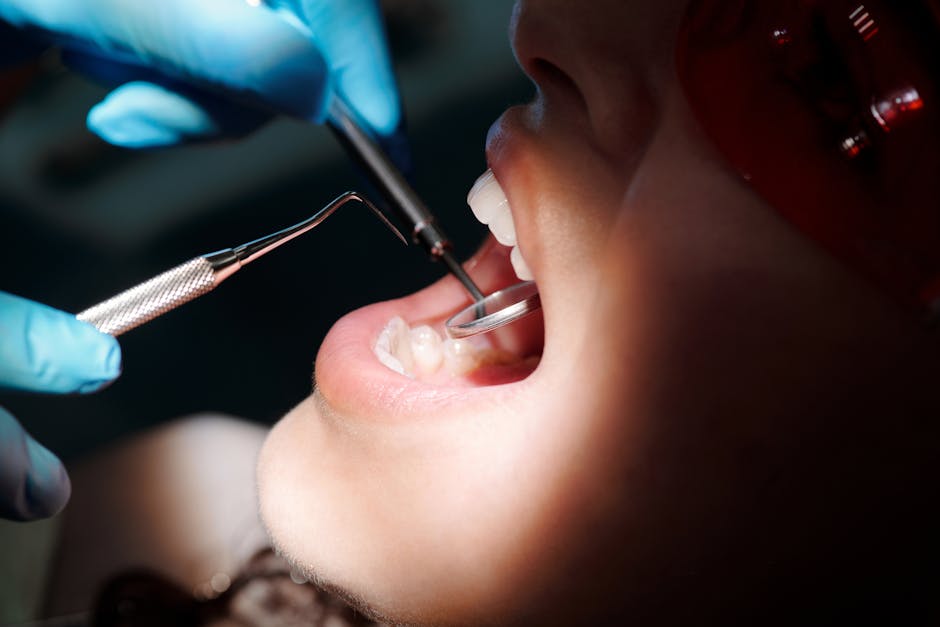
We all want a healthy, confident smile. But true dental health goes much deeper than just how your teeth look. It’s a vital part of your overall well-being. This important connection between your oral health and the rest of your body is known as the oral-systemic link.
Modern dentistry now takes a complete view of your health. We call this comprehensive dental care. This approach focuses on preventing issues before they start, ensuring your comfort, and providing care centered around you, the patient. We use the latest technology to support these goals.
This guide will show you how modern, comprehensive dental care helps you achieve and keep a healthy smile for life. We will explore how it promotes preventive health, uses advanced treatments, and makes sure you feel at ease every step of the way.
Comprehensive dental care is a holistic approach that extends beyond simply fixing immediate problems. It involves a thorough evaluation of your entire oral health system—your teeth, gums, jaw, and surrounding structures—considering their intricate connection to your overall physical health. This diagnostic integration ensures that every aspect of your oral well-being is addressed, not just isolated symptoms. The ultimate goal is long-term wellness, aiming to prevent future issues and maintain optimal health throughout your life.
Practices dedicated to comprehensive dental care, such as those that offer CWD’s comprehensive dental care, understand that each patient is unique. This understanding drives the creation of personalized treatment plans that are tailored to your specific needs, oral health history, and general medical background. By taking a total health history, dentists can identify potential risks and develop strategies that support both your oral and systemic health. For instance, did you know that nearly 54,000 new cases of oral cancer are reported in the U.S. each year? Comprehensive care includes vital oral cancer screenings during routine examinations, allowing for early detection and significantly improving treatment outcomes.
The Role of Prevention in Comprehensive Dental Care
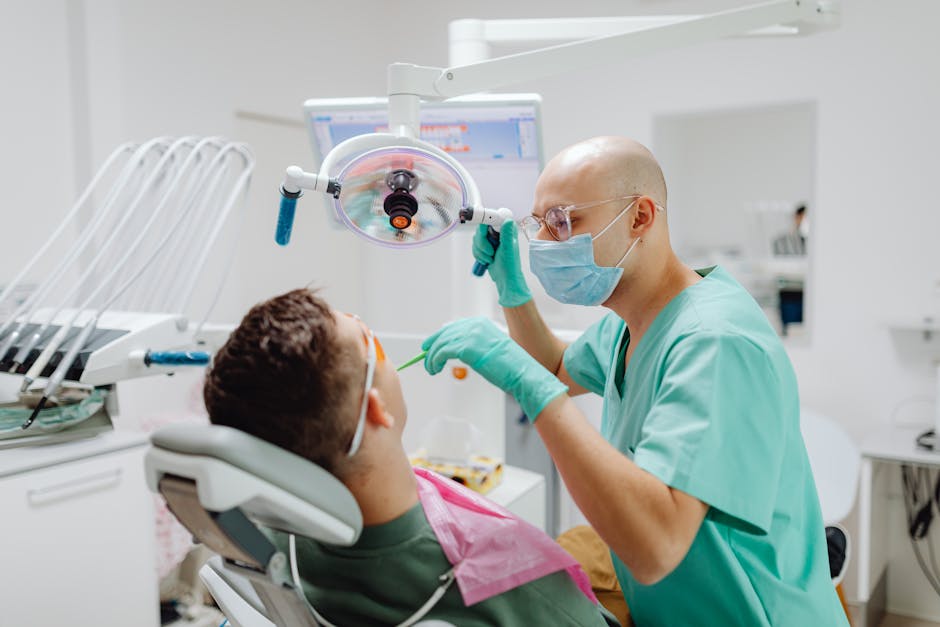
Prevention is the cornerstone of comprehensive dental care. It’s about proactively safeguarding your oral health to avoid more serious and costly problems down the line. We emphasize proactive measures, such as fluoride treatments, which strengthen tooth enamel and make it more resistant to decay. Dental sealants, particularly beneficial for children and adolescents, can reduce cavities in permanent molars by approximately 80% for up to two years, offering a protective barrier against harmful bacteria.
Regular professional cleanings are crucial for removing plaque and tartar buildup that even diligent brushing and flossing can miss. These cleanings are vital for maintaining excellent periodontal health. It’s a sobering fact that nearly half of adults aged 30 and older show signs of gum disease. Early detection and treatment of gum disease are essential to prevent its progression, which can lead to tooth loss and impact overall health. By identifying and addressing potential risk factors, comprehensive dentistry focuses on preventing dental problems before they escalate.
Distinguishing Comprehensive from Basic Dental Services
While basic dental services typically focus on routine maintenance, such as annual check-ups, standard cleanings, and simple fillings, comprehensive dental care encompasses a much broader spectrum. Basic care often addresses immediate concerns or minor issues. In contrast, comprehensive care adopts a proactive, integrated approach, managing complex cases that may involve multiple dental disciplines.
The key difference lies in the continuity of care. A comprehensive practice aims to be your single point of contact for all your dental needs, from the simplest cleaning to the most complex full-mouth rehabilitation. This often means having a team of general dentists and specialists, or a strong network of trusted referrals, working together under one coordinated plan. This “one-stop” convenience not only saves you time and effort but also ensures consistent quality and a unified approach to your oral health. It means your entire dental history and treatment plan are managed cohesively, leading to better long-term outcomes.
The Technological Edge in Modern Diagnostics and Treatment
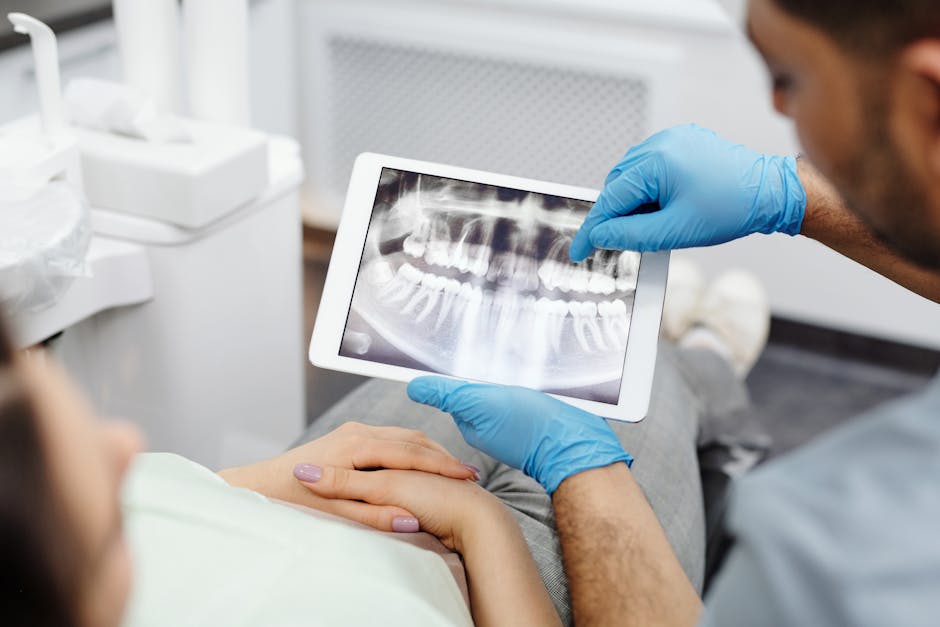
Modern comprehensive dental care is significantly enhanced by cutting-edge technology, allowing for more precise diagnostics, effective treatments, and improved patient comfort. Digital X-rays, for example, have revolutionized imaging by providing clearer images with up to a 50% reduction in radiation exposure compared to traditional film X-rays. This commitment to minimizing radiation exposure adheres to the ALARA (As Low As Reasonably Achievable) principle, prioritizing patient safety.
For more intricate cases, Cone Beam CT (CBCT) scanning provides detailed 3D imaging of your oral and maxillofacial structures. This technology is invaluable for planning complex procedures like dental implants, root canals, or orthodontic treatments, offering a comprehensive view that 2D images cannot. Intraoral cameras allow us to show you exactly what we see, enhancing patient understanding and involvement in treatment decisions. Together, these tools contribute to precision diagnostics, enabling earlier and more accurate identification of issues.
Advanced Restorative Solutions
When prevention isn’t enough, comprehensive dental care offers advanced restorative solutions to repair damage, restore function, and preserve your natural teeth. Dental implants are a prime example, providing a durable and aesthetically pleasing solution for missing teeth. These involve a titanium post surgically placed into the jawbone, acting as an artificial tooth root to support a crown, bridge, or denture.
Root canal therapy is a critical procedure that saves a tooth with an infected or damaged pulp, preventing the need for extraction. Dental crowns, which have an impressive 80-90% survival rate at 5 years, are used to cap and protect severely damaged or weakened teeth. Dental bridges can replace one or more missing teeth by anchoring artificial teeth to adjacent natural teeth or implants. These treatments are vital for preventing tooth loss, especially given that about 1 in 5 adults aged 20 to 64 has at least one untreated cavity, which, if left unaddressed, can lead to more extensive damage and eventual tooth extraction.
Restorative and Cosmetic Pillars of a Healthy Smile
A truly comprehensive approach to dentistry recognizes that a healthy smile is not just functional but also aesthetically pleasing. Modern techniques enable remarkable smile makeovers by combining various procedures to achieve a harmonious, confident appearance. Porcelain veneers, thin custom-made shells bonded to the front surface of teeth, can dramatically improve the appearance of chipped, discolored, or misaligned teeth. Dental bonding offers a less invasive alternative, using a tooth-colored resin to repair minor imperfections. Tooth contouring can subtly reshape teeth to improve their symmetry and overall look.
We also understand that comfort is key to a positive dental experience. Addressing concerns like personalized care for tooth sensitivity is an integral part of ensuring that your smile not only looks good but also feels good. The goal is always functional aesthetics—meaning that while we enhance the beauty of your smile, we also ensure optimal bite function and oral health.
Here’s a quick comparison of how comprehensive care elevates restorative treatments:
| Service Category | Basic Restorative Services | Comprehensive Restorative Treatments “`
Defining the Scope of Comprehensive Dental Care
Comprehensive dental care is a holistic approach that extends beyond simply fixing immediate problems. It involves a thorough evaluation of your entire oral health system—your teeth, gums, jaw, and surrounding structures—considering their intricate connection to your overall physical health. This diagnostic integration ensures that every aspect of your oral well-being is addressed, not just isolated symptoms. The ultimate goal is long-term wellness, aiming to prevent future issues and maintain optimal health throughout your life.
Practices dedicated to comprehensive dental care, such as those that offer CWD’s comprehensive dental care, understand that each patient is unique. This understanding drives the creation of personalized treatment plans that are tailored to your specific needs, oral health history, and general medical background. By taking a total health history, dentists can identify potential risks and develop strategies that support both your oral and systemic health. For instance, did you know that nearly 54,000 new cases of oral cancer are reported in the U.S. each year? Comprehensive care includes vital oral cancer screenings during routine examinations, allowing for early detection and significantly improving treatment outcomes.
The Role of Prevention in Comprehensive Dental Care
Prevention is the cornerstone of comprehensive dental care. It’s about proactively safeguarding your oral health to avoid more serious and costly problems down the line. We emphasize proactive measures, such as fluoride treatments, which strengthen tooth enamel and make it more resistant to decay. Dental sealants, particularly beneficial for children and adolescents, can reduce cavities in permanent molars by approximately 80% for up to two years, offering a protective barrier against harmful bacteria.
Regular professional cleanings are crucial for removing plaque and tartar buildup that even diligent brushing and flossing can miss. These cleanings are vital for maintaining excellent periodontal health. It’s a sobering fact that nearly half of adults aged 30 and older show signs of gum disease. Early detection and treatment of gum disease are essential to prevent its progression, which can lead to tooth loss and impact overall health. By identifying and addressing potential risk factors, comprehensive dentistry focuses on preventing dental problems before they escalate.
Distinguishing Comprehensive from Basic Dental Services
While basic dental services typically focus on routine maintenance, such as annual check-ups, standard cleanings, and simple fillings, comprehensive dental care encompasses a much broader spectrum. Basic care often addresses immediate concerns or minor issues. In contrast, comprehensive care adopts a proactive, integrated approach, managing complex cases that may involve multiple dental disciplines.
The key difference lies in the continuity of care. A comprehensive practice aims to be your single point of contact for all your dental needs, from the simplest cleaning to the most complex full-mouth rehabilitation. This often means having a team of general dentists and specialists, or a strong network of trusted referrals, working together under one coordinated plan. This “one-stop” convenience not only saves you time and effort but also ensures consistent quality and a unified approach to your oral health. It means your entire dental history and treatment plan are managed cohesively, leading to better long-term outcomes.
The Technological Edge in Modern Diagnostics and Treatment
Modern comprehensive dental care is significantly enhanced by cutting-edge technology, allowing for more precise diagnostics, effective treatments, and improved patient comfort. Digital X-rays, for example, have revolutionized imaging by providing clearer images with up to a 50% reduction in radiation exposure compared to traditional film X-rays. This commitment to minimizing radiation exposure adheres to the ALARA (As Low As Reasonably Achievable) principle, prioritizing patient safety.
For more intricate cases, Cone Beam CT (CBCT) scanning provides detailed 3D imaging of your oral and maxillofacial structures. This technology is invaluable for planning complex procedures like dental implants, root canals, or orthodontic treatments, offering a comprehensive view that 2D images cannot. Intraoral cameras allow us to show you exactly what we see, enhancing patient understanding and involvement in treatment decisions. Together, these tools contribute to precision diagnostics, enabling earlier and more accurate identification of issues.
Advanced Restorative Solutions
When prevention isn’t enough, comprehensive dental care offers advanced restorative solutions to repair damage, restore function, and preserve your natural teeth. Dental implants are a prime example, providing a durable and aesthetically pleasing solution for missing teeth. These involve a titanium post surgically placed into the jawbone, acting as an artificial tooth root to support a crown, bridge, or denture.
Root canal therapy is a critical procedure that saves a tooth with an infected or damaged pulp, preventing the need for extraction. Dental crowns, which have an impressive 80-90% survival rate at 5 years, are used to cap and protect severely damaged or weakened teeth. Dental bridges can replace one or more missing teeth by anchoring artificial teeth to adjacent natural teeth or implants. These treatments are vital for preventing tooth loss, especially given that about 1 in 5 adults aged 20 to 64 has at least one untreated cavity, which, if left unaddressed, can lead to more extensive damage and eventual tooth extraction.
Restorative and Cosmetic Pillars of a Healthy Smile
A truly comprehensive approach to dentistry recognizes that a healthy smile is not just functional but also aesthetically pleasing. Modern techniques enable remarkable smile makeovers by combining various procedures to achieve a harmonious, confident appearance. Porcelain veneers, thin custom-made shells bonded to the front surface of teeth, can dramatically improve the appearance of chipped, discolored, or misaligned teeth. Dental bonding offers a less invasive alternative, using a tooth-colored resin to repair minor imperfections. Tooth contouring can subtly reshape teeth to improve their symmetry and overall look.
We also understand that comfort is key to a positive dental experience. Addressing concerns like personalized care for tooth sensitivity is an integral part of ensuring that your smile not only looks good but also feels good. The goal is always functional aesthetics—meaning that while we enhance the beauty of your smile, we also ensure optimal bite function and oral health.
Here’s a quick comparison of how comprehensive care elevates restorative treatments:
| Service Category | Basic Restorative Services | Comprehensive Restorative Treatments