Comprehensive Support Systems in Higher Education
 Our well-being is crucial for a fulfilling life. In today’s dynamic world, focusing on health means actively nurturing every part of ourselves. It goes beyond just avoiding sickness.
We are witnessing exciting innovations in personal health. These advancements help us take better control of our wellness journey. They offer new ways to live healthier lives.
This article will explore these key developments. We will dive into mental wellness, advanced dental care, and effective personal hygiene. We will also see how integrated support systems are thriving, especially in university settings.
Join us as we uncover how modern strategies are shaping a more holistic and healthier future for everyone.
In South Africa, the landscape of health and wellness services for university students and staff is robust, thanks to dedicated initiatives and campus-based support structures. These systems recognize that academic success and overall productivity are deeply intertwined with holistic well-being.
At the forefront of this effort is HIGHER HEALTH, an agency committed to promoting health and well-being across the nation’s higher education institutions. Their reach is extensive, working with staff and students at 108 university campuses, 274 TVET college campuses, and 168 CET centres in the 2022-23 academic year. A core aspect of their strategy involves peer-to-peer awareness campaigns, which have successfully reached over 1.5 million young learners in a single year, fostering a culture of shared responsibility for health.
HIGHER HEALTH’s approach is encapsulated in its ‘First Things First’ model, a comprehensive programme designed for health mobilisation, education, and service delivery. These activations occur regularly on campuses, typically running for three to five days every two months, and are organized in partnership with local healthcare providers and NGOs. The model’s key focus areas include sexual and reproductive health, HIV/TB/STI prevention, gender-based violence (GBV) interventions, mental health support, and substance abuse awareness.
Campus clinics play a vital role in this ecosystem. Institutions like the University of Johannesburg’s (UJ) Primary Health Care (PHC) Clinic and Wits University’s Campus Health and Wellness Centre are cornerstones of student and staff health. These clinics are typically staffed by qualified nurses and often have sessional medical doctors, providing essential primary care services. For instance, UJ’s PHC clinics operate Monday to Friday from 08:00 to 16:00, offering optimum preventative, promotive, and curative healthcare. They also ensure appropriate referral systems for more specialized needs. Emergency services are not overlooked; for after-hours incidents or those occurring off-site, external partners like ER24 provide critical medical assistance, ensuring a safety net for the university community.

A significant part of the support offered addresses critical public health concerns. Students can access comprehensive services for issues like gender-based violence (GBV), HIV/TB/STIs, and substance abuse. HIGHER HEALTH has made substantial strides in this area, conducting over 75,603 GBV risk assessments in the last two years across universities and colleges. Furthermore, more than 350,000 students have enrolled in HIGHER HEALTH’s GBV module as part of their civic and health skills curriculum, highlighting a proactive educational approach to prevention and support. These programmes offer essential screening, testing, counselling, and awareness campaigns, empowering students with knowledge and access to care.
Mental health resources are also a key component of these integrated wellness programmes. HIGHER HEALTH actively works to reduce stigma, conduct risk assessments, and provide counselling services. In 2022/2023, they managed mental health crises for thousands of students, demonstrating the critical impact of their interventions. Wits University’s Employee Wellness Programme (EWP) extends mental health support to staff, offering confidential counselling for a range of issues including depression, anxiety, grief, and workplace stress.
Beyond immediate health services, these systems also focus on holistic development. HIGHER HEALTH’s civic education, soft skills training, and leadership programmes are designed to equip students for future success. The National Civic Education and Health Skills Programme, accredited at NQF Level 5, is a pioneering initiative in Africa, preparing students for the job market by fostering essential graduate attributes. Events like the Mandela-Sobukwe Leadership Camp bring together young leaders from various institutions to address pressing national challenges, from GBV and mental health to socio-economic issues, fostering a generation of change agents.
Innovations in Specialized Personal Care
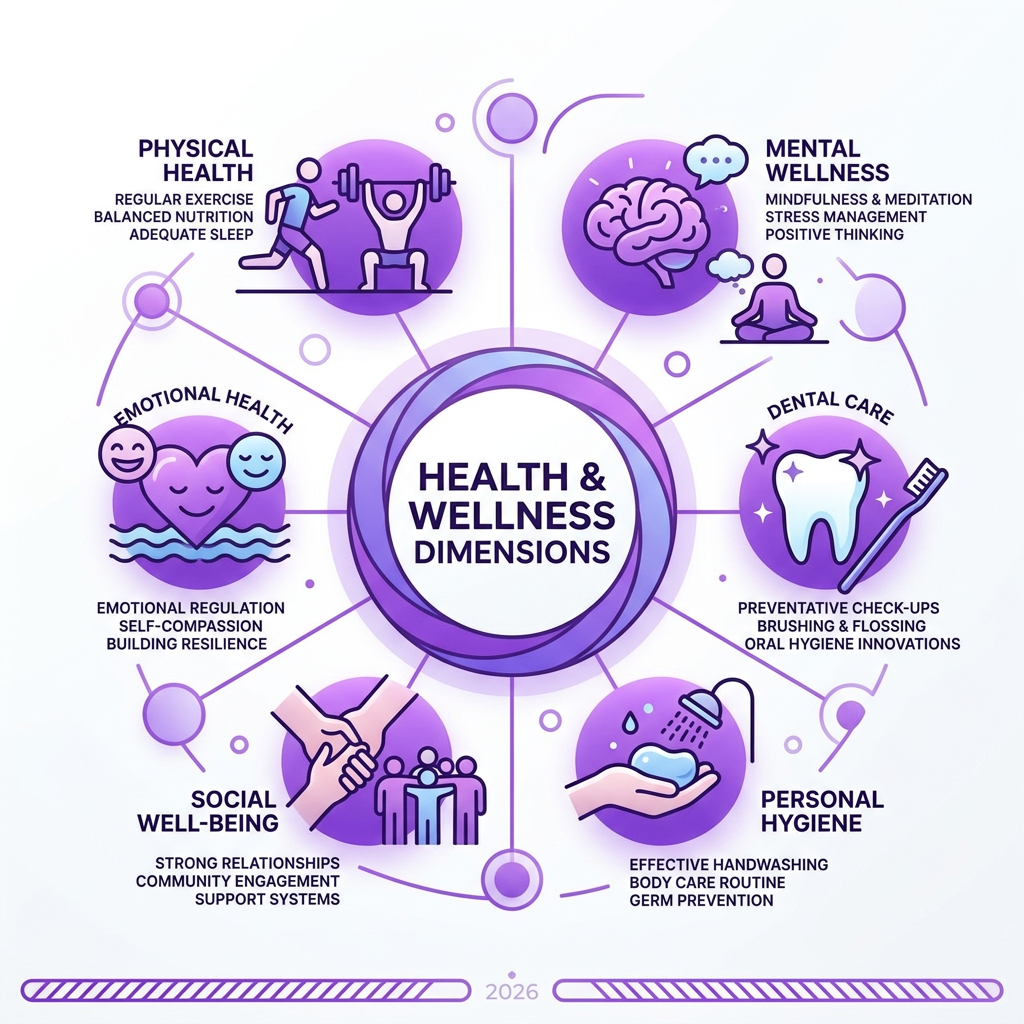
Beyond institutional support, the realm of personal health and wellness is continually evolving with innovations in specialized care. These advancements address specific needs, from maintaining oral hygiene to promoting feminine health, and cater to everyday requirements like boosting energy, aiding detoxification, and facilitating muscle recovery. The focus is increasingly on integrating scientific understanding with natural, sustainable solutions to enhance overall well-being.
Advancements in Precision Dental Health and Wellness
Oral health is a cornerstone of overall well-being, often reflecting and influencing systemic health. Modern dentistry is moving beyond just treating problems to embracing precision and preventative care. This shift is powered by technological advancements that allow for more accurate diagnostics and tailored treatments. For instance, the understanding of the oral-systemic link—how oral infections and inflammation can impact conditions like heart disease, diabetes, and even mental health—has deepened, emphasizing the importance of rigorous oral hygiene.
Innovations in digital dentistry, such as digital milling, are transforming how dental restorations are created. This technology allows for highly precise and customized crowns, bridges, and other prosthetics, leading to better fit, function, and aesthetics. It streamlines the process, often reducing the number of appointments needed and enhancing patient comfort. For those interested in exploring these cutting-edge techniques and their benefits, resources on Precision dental health and wellness offer valuable insights into how digital solutions are shaping the future of dental care.
Feature Traditional Dental Care Digital Dental Care Impressions Messy physical molds Comfortable intraoral scans Accuracy Prone to human error, less precise High precision, consistent results Turnaround Time Longer, involves lab shipping Faster, often same-day fabrication Patient Comfort Can be uncomfortable, gag reflex Non-invasive, quick, more pleasant Customization Limited by manual processes Highly customizable designs Record Keeping Physical models, can degrade Digital files, easily stored and retrieved Material Usage More waste from physical models Optimized material use, less waste Predictability Relies on technician skill Software-driven, highly predictable outcomes Preventative dentistry is also seeing a resurgence, with a focus on personalized risk assessments and early intervention. This includes advanced imaging techniques, genetic testing for predisposition to certain oral conditions, and customized oral hygiene plans. By identifying potential issues before they become severe, we can maintain optimal oral health and, by extension, contribute positively to our overall systemic health.
Redefining Hygiene with Organic Feminine Health and Wellness
The conversation around personal hygiene, particularly feminine health, has evolved significantly. There’s a growing demand for products that are not only effective but also safe, sustainable, and free from harmful chemicals. This movement addresses concerns about chemical sensitivity and the long-term impact of synthetic ingredients on the body and the environment.
The market now offers a wide array of organic feminine hygiene products, ranging from menstrual cups and organic cotton pads to natural washes and liners. These products are designed to minimize exposure to pesticides, dyes, fragrances, and other irritants commonly found in conventional options. Embracing these alternatives supports both individual health and ecological sustainability. For those seeking to make informed choices about their personal care, resources on Organic feminine health and wellness provide valuable information on the benefits of switching to natural and eco-friendly options.
Beyond feminine hygiene, the broader market for commercial wellness products offers solutions for various everyday health needs. For instance, supplements like creatine are popular for supporting muscle performance and recovery, with some research also suggesting benefits for cognitive function. Algae-derived Omega-3s provide a sustainable, fish-free alternative for essential fatty acids, catering to dietary preferences and environmental consciousness. Probiotics are widely used to support gut health, addressing issues like IBS, digestion, and gut integrity, and even contributing to urinary comfort. Products targeting detoxification and weight management, often emphasizing plant-based ingredients and clean formulations, are also gaining traction, reflecting a holistic approach to internal well-being.
Mental Resilience and Holistic Development
Cultivating mental resilience and fostering holistic development are increasingly recognized as central pillars of a comprehensive health and wellness strategy. The demands of modern life, academic pressures, and professional challenges can significantly impact mental well-being, underscoring the need for accessible and effective support systems.
Employee wellness programmes, such as the one offered at Wits University, exemplify how organizations are addressing these multifaceted challenges. The Wits Employee Wellness Programme (EWP) provides free, confidential, and voluntary services to staff and their immediate household members. These services extend beyond mental health counselling to encompass financial and legal support, recognizing that these aspects profoundly influence an individual’s overall well-being.
For mental health, the EWP offers personal counselling for issues like depression, anxiety, grief, trauma, and substance abuse. It also provides work-related support for stress, burnout, and even managerial advice on conflicts. This comprehensive approach ensures that individuals have a safe space to address their concerns. Financially, the programme assists with budgeting, debt management, retirement planning, and even home financing, helping to alleviate a significant source of stress. Legal advice covers civil disputes, family matters, and contract drafting, offering crucial guidance without providing direct legal representation. These integrated services demonstrate a commitment to supporting employees through various life challenges.
Beyond institutional programmes, individuals can proactively engage with resources to build mental resilience. Reading widely on personal growth and self-improvement can provide valuable perspectives and strategies. For those looking to deepen their understanding of intentional living and personal transformation, exploring Joseph Kelly health & wellness books can offer guidance on cultivating contentment, achieving harmony within, and embarking on a voyage of extraordinary growth. These resources often blend psychological insights with practical wisdom, empowering individuals to navigate their internal landscapes more effectively.
Nutritional and physical fitness tips also play a crucial role in supporting mental and physical health. BestMed’s Health & Wellness articles, for example, highlight practical advice on various aspects. They emphasize the importance of balanced nutrition, featuring recipes like apple and spice chia pudding and discussions on superfoods, and strategies for managing emotional eating and cravings. Physical well-being is addressed through topics such as eccentric training for strength and injury prevention, the impact of breathing patterns on performance, and effective exercises for lower back pain. The connection between physical activity and mental health is also explored, underscoring how movement can be a powerful tool for mood regulation and stress reduction.
Adopting self-care practices, ensuring adequate physical activity, and maintaining a healthy diet are fundamental to fostering a healthy body and a healthy mind. These practices, whether learned through formal programmes or personal exploration, contribute to a resilient spirit capable of navigating life’s complexities.
Frequently Asked Questions about Health and Wellness
How does the ‘First Things First’ model impact student outcomes?
HIGHER HEALTH’s ‘First Things First’ model significantly impacts student outcomes by providing comprehensive, accessible health and wellness services directly on university and college campuses. These regular, multi-day activations, held every two months, ensure that students have consistent access to primary health care, including HIV/TB/STI screening, contraception, and mental health support. By integrating these services with educational components on gender-based violence, substance abuse, and civic responsibility, the model fosters a healthier and more supportive campus environment. This proactive approach helps reduce health-related barriers to academic success, improves overall well-being, and empowers students to make informed decisions about their health, ultimately contributing to better academic performance and personal development. The peer-to-peer education embedded within the model further enhances its reach and effectiveness, creating a sustainable culture of health awareness among students.
What mental health resources are available for university staff?
University staff, particularly at institutions like Wits, have access to comprehensive mental health resources through Employee Wellness Programmes (EWPs). These programmes offer confidential counselling services for a wide range of issues, including depression, anxiety, grief, trauma, and stress. They also address work-related concerns such as burnout, workplace conflict, and bullying. Beyond individual counselling, some EWPs provide critical incident stress debriefing and managerial advice to support staff in challenging situations. These services are typically free for employees and their immediate household members, ensuring broad access to professional psychological support. The aim is to promote a healthy work-life balance and provide a supportive environment for staff well-being.
How can students access support for gender-based violence?
Students can access support for gender-based violence (GBV) through multiple channels, primarily via campus health and wellness centres and national initiatives like HIGHER HEALTH. Campus clinics offer confidential counselling, risk assessments, and referrals to specialized support services. HIGHER HEALTH plays a crucial role by conducting GBV risk assessments, organizing awareness campaigns, and facilitating dialogues on campuses. They also integrate GBV education into their civic and health skills curriculum, with over 350,000 students having enrolled in the GBV module. Additionally, a national 24-hour crisis helpline (0800 36 36 36) is often available, providing immediate support and guidance. These comprehensive efforts ensure that students have access to both preventative education and responsive support mechanisms for GBV.
Conclusion
The journey toward optimal health and wellness is a continuous and evolving process, increasingly shaped by innovative approaches and integrated support systems. From the comprehensive health and psychosocial services offered within South African higher education institutions to advancements in specialized personal care like precision dental health and organic feminine hygiene, we are seeing a concerted effort to foster holistic well-being.
The emphasis on proactive care, mental resilience, and sustainable health habits is not merely a trend but a fundamental shift in how we approach our physical and mental vitality. By leveraging peer education, accessible clinic services, and educational programmes, institutions are empowering students and staff to take charge of their health. Simultaneously, innovations in areas like dental milling and eco-friendly hygiene products offer more precise, safer, and more sustainable choices for individual care.
The integration of these various facets of wellness will continue to be crucial. Embracing a balanced lifestyle, engaging with available resources, and cultivating sustainable health habits are key to not only academic and professional success but also to a more fulfilling and impactful life. Our collective well-being depends on our individual commitment to nurturing every dimension of our health.