Understanding Anxiety and the Role of Faith-Based Mental Health
 Over 40 million American adults struggle with anxiety disorders, experiencing overwhelming worry, tension, and fear. This widespread challenge is compounded by a reported 25% increase in worldwide anxiety and depression in recent years. These figures underscore a critical need for effective support.
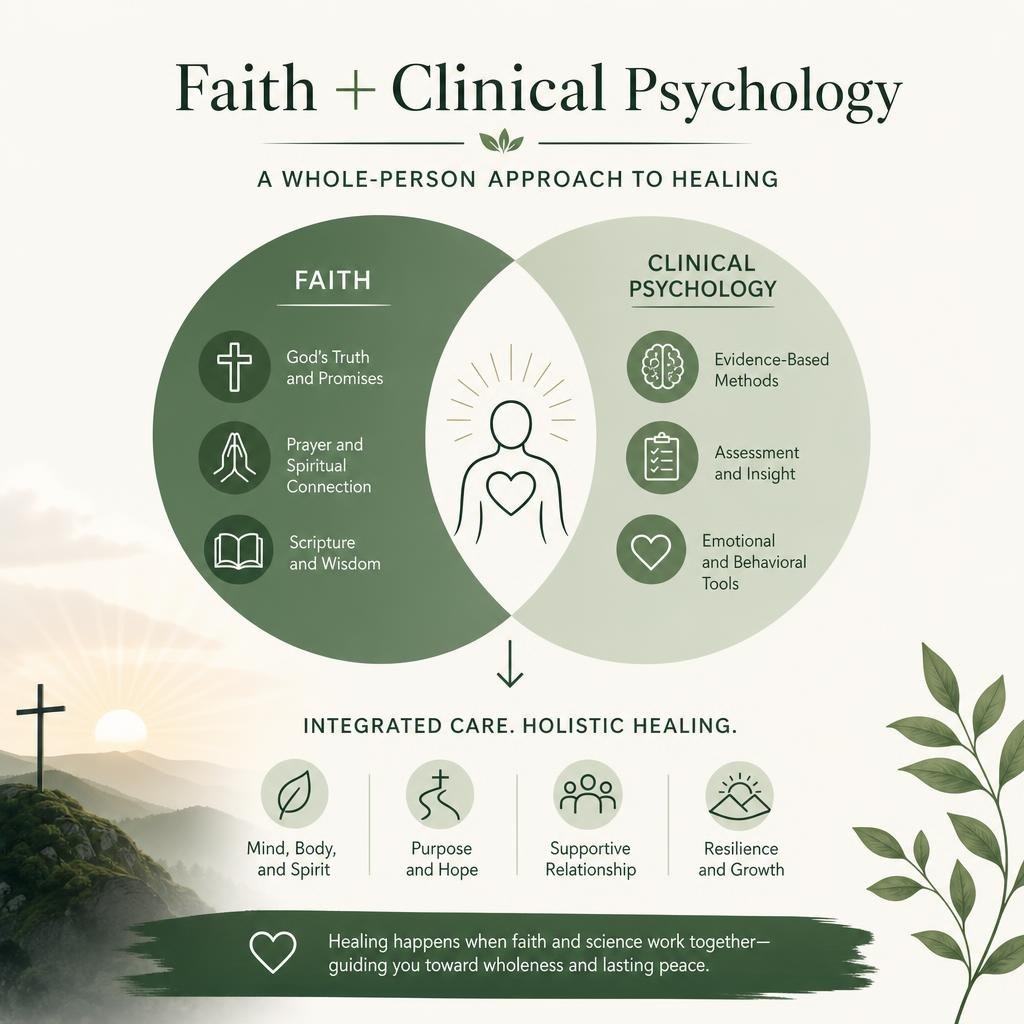
For Christians, the path to mental well-being often involves integrating their faith with clinical care. We understand that true healing addresses the whole person – mind, body, and spirit. This holistic approach seeks to bring lasting peace and resilience.
This extensive guide explores Christian therapy for anxiety. We will examine how faith-based principles combine with proven psychological techniques. Our aim is to provide a comprehensive understanding of this integrated approach to mental health. We will cover everything from biblical perspectives on anxiety to evidence-based therapeutic methods. This includes practical strategies for managing anxiety and guidance on finding qualified Christian mental health support.

Anxiety, from a physiological standpoint, is the body’s natural “fight-or-flight” response. It’s designed to protect us from danger. However, in modern life, this system can become overactive, triggering false alarms and leading to overwhelming worry, tension, and fear even in the absence of actual threats. This can manifest as racing thoughts, a tight chest, restless nights, and a persistent sense that something is amiss.
For Christians, the experience of anxiety can carry an additional, often heavy, burden: spiritual guilt. There’s a common misconception that anxiety indicates a lack of faith or is somehow sinful, especially given biblical commands not to worry. This can lead believers to feel isolated, ashamed, and reluctant to seek help, believing they should simply “pray it away” or “trust God more.” However, anxiety is not inherently a sign of weak faith. It’s a complex human experience, influenced by genetics, trauma, life circumstances, and the intricate workings of our nervous system. The amygdala, the brain’s threat detection center, doesn’t distinguish between a spiritual struggle and a purely physiological one.
We recognize that anxiety is a feature of the human condition, not a spiritual failing. It’s a physiological stress response stemming from an overactive nervous system, not a lack of trust in God. This understanding is foundational to effective Christian mental health support. To delve deeper into how faith can support your mental well-being, explore our resources on Christian mental health.
Why Faith-Based Mental Health Support Matters for Believers
Christian therapy for anxiety offers a distinct approach compared to secular therapy by intentionally integrating faith-based principles with conventional psychological techniques. This creates a therapeutic environment that respects and incorporates a believer’s spiritual journey. For many Christians, a faith-aligned counselor provides a unique sense of spiritual safety and understanding, where their worldview is not just tolerated but actively embraced as part of the healing process.
This integration means that discussions about God, Scripture, prayer, and spiritual struggles are natural components of therapy, rather than being sidelined or ignored. It ensures that clinical excellence is combined with profound soul care, addressing emotional and psychological wholeness within a biblical framework. This approach can prevent faith from becoming an additional source of struggle or guilt, instead transforming it into a powerful resource for healing. When seeking assistance for anxiety and depression, many find that online Christian counseling provides the ideal blend of accessibility and faith-aligned support.
Normalizing the Struggle: Biblical Figures and Jesus in Gethsemane
One of the most comforting aspects of a Christian perspective on anxiety is the realization that even the most faithful individuals, including Jesus Himself, experienced profound distress. This normalizes anxiety as a part of the human condition, dispelling the myth that it’s a sign of spiritual weakness.
Consider Jesus’ anguish in the Garden of Gethsemane (Matthew 26:36-46). He was “overwhelmed with sorrow to the point of death,” sweating drops of blood as He faced His impending crucifixion. This raw, honest portrayal of His suffering demonstrates that experiencing deep anxiety is not incompatible with perfect faith.
Throughout Scripture, we find numerous examples of faithful individuals grappling with intense fear and worry:
- King David poured out his anguish in the Psalms, crying out to God amidst his distress (e.g., Psalm 56:3: “When I am afraid, I put my trust in you.”).
- Elijah, after a mighty victory, succumbed to exhaustion and despair, fleeing into the wilderness and asking God to take his life.
- The Apostle Paul spoke of “fightings without, fears within” (2 Corinthians 7:5), acknowledging the immense pressure and anxiety he faced in his ministry.
These biblical narratives validate the experience of anxiety, showing that it is a common human struggle. They remind us that God is compassionate towards our frailties and that we can bring our fears to Him, just as these biblical heroes did. Understanding this rich history can profoundly impact our approach to anxiety and faith.
Bridging Clinical Science and Scripture in Christian Therapy

The heart of Christian therapy for anxiety lies in its ability to bridge clinical science with biblical truth. This approach recognizes that God created us as integrated beings—spirit, soul, and body—and therefore, healing must address all these dimensions. It’s not about choosing between faith and psychology, but rather seeing them as complementary tools in God’s hands.
While secular therapy offers valuable, evidence-based techniques, Christian therapy enriches these methods by grounding them in a biblical worldview. This theological integration helps clients renew their minds, as encouraged in Romans 12:2, by replacing anxious thought patterns with divine truth.
Here’s a brief comparison:
Feature Secular Therapy Christian Therapy Foundation Humanistic, scientific, empirical Biblical worldview, theological principles, scientific Goals Symptom reduction, improved coping, self-actualization Holistic healing (mind, body, spirit), spiritual growth, Christ-likeness Resources Clinical techniques, personal strengths Clinical techniques, personal strengths, spiritual disciplines, Scripture, prayer Perspective Often values-neutral, client-centered Values-informed (Christian ethics), Christ-centered Addressing Guilt Focus on self-acceptance, reframing thoughts Addresses spiritual guilt through grace, forgiveness, and biblical truth Integrating Cognitive Behavioral Therapy with Biblical Truth
Cognitive Behavioral Therapy (CBT) is widely recognized as a gold standard for treating anxiety disorders. It focuses on identifying and changing negative thought patterns and behaviors that contribute to anxiety. In Christian counseling, CBT principles are not merely adopted but transformed through biblical integration.
For example, a core CBT technique is cognitive reframing, where irrational or anxious thoughts are challenged and replaced with more realistic ones. In Christian therapy, this process is enriched by using Scripture as the ultimate source of truth. Instead of simply asking, “Is this thought realistic?”, a Christian counselor might ask, “Is this thought aligned with God’s truth? What does Philippians 4:8 instruct us to dwell on?” This “truth replacement” helps believers actively renew their minds, replacing fearful narratives with biblical promises and perspectives. Techniques like thought tracking can be combined with scriptural affirmations, allowing clients to track anxious thoughts and then intentionally meditate on verses that speak to God’s sovereignty, peace, and love. This approach makes Christian counseling for anxiety particularly powerful.
The Role of Neuroscience Informed Christian Counseling (NICC)
Neuroscience Informed Christian Counseling (NICC) represents a cutting-edge approach that deeply integrates brain science, attachment theory, and biblical truth to foster profound healing. This model acknowledges that our spiritual and emotional experiences are intricately linked to our brain’s functioning and our relational patterns.
NICC aims to move beyond mere symptom relief, seeking deeper transformation by understanding the neurological underpinnings of anxiety. For instance, Scripture-based psychotherapy, which is a component of NICC, has been shown to significantly reduce anxiety by strengthening prefrontal cortex functioning through practices like prayer and meditation. This indicates that spiritual disciplines are not just abstract acts of faith but have tangible, positive effects on brain health and emotional regulation.
With reported success rates as high as 93.6%, NICC highlights the efficacy of combining scientific understanding with spiritual wisdom. This approach helps individuals regulate their nervous system, process past wounds, and build resilience by leveraging both clinical insights and the transformative power of faith. This holistic method offers a comprehensive path to healing by integrating faith and neuroscience, a hallmark of advanced Christian counseling approaches.
Practical Strategies and When to Seek Professional Support
Managing anxiety effectively often involves a combination of daily spiritual disciplines and practical, evidence-based strategies. For Christians, this means actively applying biblical principles to their lives while also engaging in practices that regulate their nervous system and promote overall well-being. This holistic approach empowers believers to live with anxiety without being controlled by it.
Biblical principles like casting all your cares on God (1 Peter 5:7) are not passive suggestions but active spiritual practices of release. This involves intentionally surrendering worries through prayer and petition with thanksgiving (Philippians 4:6). Combining these spiritual practices with behavioral activation—engaging in biblical self-care like regular exercise, healthy eating, and sufficient rest—can significantly impact anxiety levels. For more on integrating faith into your daily life for peace, explore our guide on handling stress as a Christian.
Daily Spiritual Disciplines for Nervous System Regulation
Integrating spiritual practices into your daily routine can be a powerful way to regulate your nervous system and cultivate inner peace. These aren’t just spiritual exercises; they are practices that stimulate relaxation and challenge distorted thinking, offering a pathway to emotional control.
- Breath Prayer: This ancient practice combines deep, rhythmic breathing with short, scriptural phrases (e.g., “Lord, have mercy” on the inhale, “Christ, have mercy” on the exhale). It calms the body while focusing the mind on God’s presence.
- Lectio Divina: A meditative way of reading Scripture, Lectio Divina involves slowly reading a passage, reflecting on it, responding in prayer, and resting in God’s word. Choose calming passages like Psalm 23 or Isaiah 41:10.
- Scripture Meditation: Beyond just reading, meditation involves dwelling on biblical truths, allowing them to displace irrational thoughts and reshape your perspective. This moves beyond mere information to spiritual formation.
- Physical Self-Care: Recognize that your body is a temple (1 Corinthians 6:19). Regular aerobic exercise, adequate sleep, and a balanced diet are not just physical disciplines but spiritual ones that support mental health.
- Limiting Media and News: Wisely manage your exposure to anxiety-inducing news and social media. Creating boundaries can prevent anxiety spirals and allow for more peaceful reflection.
These practices, when consistently applied, help to slow the body, unclench tension, and speak biblical truths into anxious thoughts, offering effective stress management techniques.
Recognizing the Signs That Professional Counseling is Needed
While spiritual practices and self-care are vital, there are clear signs that indicate a need for professional Christian counseling. Anxiety can become chronic and debilitating, affecting daily life in profound ways. Recognizing these signs is crucial for seeking timely and appropriate help.
You might need professional support if you experience:
- Persistent and Overwhelming Worry: If you find yourself constantly caught in “what-if” cycles, intrusive thoughts, or an inability to turn your mind off.
- Physical Symptoms: Chronic sleep problems, frequent panic attacks, persistent indigestion, light-headedness, or a constant sense of physical tension.
- Functional Impairment: If anxiety is significantly interfering with your work, relationships, social life, or ability to engage in activities you once enjoyed.
- Avoidance Behaviors: If you start avoiding situations, groups, or new experiences due to fear, causing your world to shrink.
- Spiritual Guilt and Isolation: If you’re struggling with the belief that your anxiety is a sign of weak faith, leading to self-judgment and withdrawal from spiritual community.
- Lack of Progress with Self-Help: If, despite consistent efforts with spiritual disciplines and self-care, your anxiety symptoms persist or worsen.
In these situations, professional Christian counseling can provide a safe space for clinical assessment, targeted therapeutic techniques, and spiritual guidance that goes beyond what self-help or pastoral advice alone can offer. It’s about getting the integrated support you need to navigate these challenges, and we encourage you to consider professional Christian counseling options.
Navigating the Journey: Qualifications, Costs, and Real-Life Healing
Embarking on a healing journey through Christian therapy for anxiety involves understanding the practicalities of accessing care, from finding qualified professionals to navigating costs. Many Christians have found profound transformation through faith-based therapy, moving from overwhelming worry to a place of peace and resilience.
Real-life examples abound: we’ve seen business executives find peace through a combination of prayer and therapy sessions, and college students learn to manage test anxiety with scriptural affirmations integrated into their coping strategies. Individuals who once felt their minds were constantly racing or were stuck in cycles of sadness have processed underlying pain and learned to regulate their emotions. Testimonials often speak of overcoming long-standing fears, gaining self-awareness, and finding freedom from anxiety that once felt like a “beast” crippling their lives. These stories highlight the power of an integrated approach to begin your healing journey.
Overcoming Barriers to Accessing Faith-Based Mental Health Services
Accessing Christian therapy for anxiety has become more flexible and accessible, especially with the rise of online counseling. This is particularly beneficial for those in remote areas or with busy schedules.
- Online Options: Many Christian counseling services offer HIPAA-compliant video sessions, allowing you to connect with a therapist from the comfort and privacy of your home. This convenience removes geographical barriers and often provides more scheduling flexibility. For those seeking this accessibility, exploring online Christian therapy is a great first step.
- Cost of Care: The cost of therapy is a common concern. While some Christian counselors accept insurance, many clients opt for self-pay to ensure greater flexibility in choosing a therapist and to avoid limitations on session numbers or types of therapy imposed by insurance plans. Many providers offer sliding scale fees based on income, and Health Savings Accounts (HSAs) or Flexible Spending Accounts (FSAs) can often be used for counseling services. Additionally, some churches or ministries offer financial support or referrals to subsidized counseling.
- Getting Started: The first step usually involves an initial consultation, often free, to discuss your needs and ensure a good fit with a counselor.
What to Look For in a Qualified Christian Therapist
Choosing the right Christian therapist is a crucial step in your healing journey. It’s essential to find someone who not only possesses strong clinical skills but also deeply understands and respects your faith.
Here are key qualifications and qualities to look for:
- Licensure and Clinical Credentials: Ensure the therapist is licensed by their state’s professional board (e.g., Licensed Professional Counselor, Licensed Marriage and Family Therapist, Psychologist). This guarantees they meet rigorous standards of education, training, and ethical practice.
- Experience with Anxiety: Inquire about their specific experience and preferred therapeutic approaches for treating anxiety disorders (e.g., CBT, ACT, NICC).
- Theological Alignment: While not every Christian therapist will share your exact denominational background, it’s important that they have a deep understanding of Christian theology and values. Ask how they integrate faith into their practice.
- Active Listening and Empathy: A good therapist creates a safe, non-judgmental space where you feel heard and understood. Look for someone who demonstrates genuine empathy and strong communication skills.
- Professional Standards: They should adhere to professional ethical guidelines, maintaining confidentiality and professional boundaries.
Don’t hesitate to ask questions during initial consultations to assess compatibility. Finding qualified Christian counselors is about ensuring both clinical expertise and spiritual resonance.
Frequently Asked Questions About Christian Anxiety Therapy
Navigating anxiety as a Christian often brings forth unique questions and concerns. Here, we address some common inquiries to provide clarity and encouragement.
Is struggling with anxiety a sign of weak faith?
This is perhaps the most common and damaging misconception among Christians experiencing anxiety. The answer is unequivocally no. As we’ve discussed, anxiety is a complex phenomenon influenced by biological, psychological, and environmental factors, not solely a spiritual failing.
Christian counselors address this spiritual guilt by validating the reality of anxiety as a human experience, even for devout believers. They emphasize that God’s grace covers our struggles, and that seeking help is a sign of wisdom and courage, not weak faith. Biblical validation, through examples like Jesus in Gethsemane or David’s Psalms of lament, helps to normalize the experience. The goal is to understand anxiety, not to condemn it, and to use faith as a resource for healing rather than a source of shame. Understanding anxiety symptoms and their origins can help dispel this myth.
Can Christian therapy be combined with psychiatric medication?
Absolutely. The decision to use psychiatric medication is a medical one, best made in consultation with a physician or psychiatrist. There is no biblical prohibition against medication, and for many individuals, medication can provide the neurological stability needed to engage more effectively in therapy and spiritual practices.
Christian therapy often works in conjunction with medical treatment, offering a holistic approach to care. A Christian therapist can help you process any feelings of stigma or guilt associated with taking medication, and integrate your treatment plan with your faith. This collaborative approach recognizes that God can use both medical science and spiritual disciplines for healing. Counseling plays a vital role in managing anxiety and can help individuals navigate the decision-making process regarding medication.
How does Christian counseling differ from traditional secular therapy?
The primary distinction lies in the foundational worldview and the resources utilized. While both secular and Christian therapy employ evidence-based techniques, Christian counseling integrates a biblical worldview into every aspect of the therapeutic process.
This means that:
- Spiritual Resources are Central: Prayer, Scripture, and a relationship with God are considered powerful tools for healing, not just secondary coping mechanisms.
- Worldview Integration: The therapist operates from a Christian understanding of human nature, suffering, and purpose, which informs their approach to issues like guilt, forgiveness, and hope.
- Holistic Healing: The focus extends beyond psychological well-being to spiritual growth and alignment with God’s will.
- Prayer Integration: Prayer may be incorporated into sessions, with client consent, as a means of seeking divine guidance and comfort.
This faith-integrated approach provides a unique and comprehensive path to healing for believers, addressing their spiritual and emotional needs simultaneously. It offers a distinct Christian perspective on stress and anxiety.
Conclusion
The journey through anxiety can feel isolating and overwhelming, but for Christians, it doesn’t have to be. By integrating faith and evidence-based mental health care, we discover a path to profound healing and lasting resilience. This holistic approach acknowledges that we are created for more than just managing symptoms; we are created for wholeness—mind, body, and spirit.
Christian counseling offers long-term strategies for preventing anxiety relapse and building resilience. It equips individuals with spiritual disciplines, cognitive tools, and a renewed understanding of God’s grace, fostering an inner strength that withstands life’s challenges. Scripture contemplation, in particular, has been shown to build resilience against anxiety and depression, helping believers learn to live with anxiety without being controlled by it.
If you are struggling with anxiety, know that hope and healing are within reach. We encourage you to explore integrated services that nurture spiritual and mental health. Take the courageous step towards a life of greater peace and purpose.
To begin your journey toward healing and wholeness, contact us today.
- Learn more about our approach
- Start your personal journey
- Explore pastoral counseling options
- Discover our practice
- Consider Christian life coaching